What Is the Difference Between Peptides and Steroids
The distinction between peptides and steroids is significant in the realm of athletic performance enhancement. Peptides are naturally occurring chains of amino acids, known for their role in regulating various bodily functions. In contrast, steroids are synthetic compounds derived from testosterone, designed to amplify muscle growth. Each has unique mechanisms of action and associated risks, raising important questions about their use. Understanding these differences is essential for athletes considering their options. What implications do these distinctions hold for performance and health?
PEPTIDES LIST
- Adipotide (FTPP)
- AICAR
- AOD9604
- ARA-290
- B7-33
- BPC-157
- Bronchogen
- Cagrisema
- Cagrilintides
- Cardiogen
- Cartalax
- Cerebrolysin (215mg/ml, 10ml)
- Chonluten
- CJC-1295 DAC
- Cortagen
- DSIP
- Epithalon (Epitalon)
- Follistatin-315
- Follistatin-344
- FOXO4-DRI
- GHK-Cu (Copper Peptide)
- GHK Basic
- GHRP-2
- GHRP-6
- GHRH (GH-Releasing Hormone)
- Glutathione
- Gonadorelin (GnRH)
- GLP2 & GLP3
- hGH Fragment 176-191
- Hexarelin
- Humanin
- Ipamorelin
- Kisspeptin-10
- KPV (ACTH (11-13) alpha-MSH)
- Liraglutide (GLP-1 Analogue)
- Livagen
- LL-37 (CAP-18)
- Melanotan 2 (Melanotan II)
- Mezdutide
- MGF (C-terminal)
- ModGRF 1-29 (CJC-1295 No DAC)
- MK-677 (Ibutamoren)
- MOTS-c
- N-Acetyl Epithalon Amidate
- N-Acetyl Selank Amidate
- N-Acetyl Semax Amidate
- NAD+
- Ovagen
- Oxytocin+
- Pancragen
- PE-22-28
- PEG-MGF (Pegylated MGF)
- Pinealon
- PNC-27
- Prostamax
- PT-141 (Bremelanotide)
- P21 (P021)
- Retatrutide
- Snap8
- Tesa_Ipa_Blend
- Triblend
- Selank
- Semaglutide (GLP-1 Analogue)
- Semax
- Sermorelin
- SS-31
- Survodutide
- TB-500
- Tesamorelin
- Testagen
- Thymagen
- Thyrotropin-TRH
- Tirzepatide
- Triptorelin
- Vesugenas
- Vesilute
- Vilon
- VIP (Vasoactive Intestinal Peptide)
- GLP2
- GLP3
- Klow
- Klow8
- SLU-PP-332
- BAM-15
- Orforglipron
- Noopept
- 9-Me-BC
- Methylene Blue
- Lemon Bottle

The distinction between peptides and steroids is significant in the realm of athletic performance enhancement. Peptides are naturally occurring chains of amino acids, known for their role in regulating various bodily functions. In contrast, steroids are synthetic compounds derived from testosterone, designed to amplify muscle growth. Each has unique mechanisms of action and associated risks, raising important questions about their use. Understanding these differences is essential for athletes considering their options. What implications do these distinctions hold for performance and health?
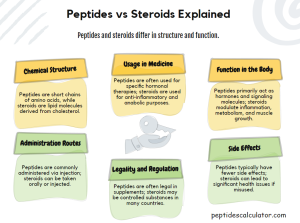
Peptides, as short chains of amino acids, serve as vital signaling molecules within the body. They play essential roles in various physiological processes, including hormone regulation, immune function, and cell signaling. Peptides are synthesized naturally in the body and can also be produced artificially for therapeutic purposes. Their functions can vary widely; for instance, some peptides act as hormones, such as insulin, while others may influence muscle growth or fat metabolism.
Due to their relatively small size, peptides can interact with specific receptors on cell surfaces, triggering biological responses. This specificity allows for targeted effects, making peptides valuable in medicine, particularly in areas like anti-aging and weight management. Additionally, the development of peptide-based therapies is growing, as they tend to have fewer side effects compared to larger proteins or synthetic drugs. Understanding the role and function of peptides is crucial for appreciating their significance in health and disease management.
Steroids, a class of organic compounds characterized by a core structure of four carbon rings, play significant roles in various biological functions. They are classified into two main categories: corticosteroids and anabolic steroids. Corticosteroids are involved in regulating metabolism, immune response, and stress, while anabolic steroids primarily promote muscle growth and protein synthesis.
Both types of steroids exert their effects by binding to specific receptors within cells, leading to various physiological responses. Understanding these compounds is essential for recognizing their potential applications, as well as the risks associated with misuse.
Although often compared to steroids, peptides operate through distinct mechanisms that influence various biological processes. Peptides are short chains of amino acids that serve as signaling molecules in the body. They bind to specific receptors on cell surfaces, triggering a cascade of biochemical responses that can promote growth, repair, and regulation of physiological functions.
For instance, certain peptides may stimulate the release of hormones, such as growth hormone, which can enhance muscle growth and fat metabolism. Additionally, peptides can modulate immune responses and inflammation, contributing to overall health and recovery. Their targeted action allows for precise regulation of biological pathways, often with fewer side effects than other compounds. By mimicking the body's natural signaling mechanisms, peptides can effectively influence metabolism, muscle synthesis, and healing processes, making them a valuable tool in both therapeutic and performance-enhancing contexts.
Anabolic steroids, synthetic derivatives of testosterone, exert their effects primarily by binding to androgen receptors in various tissues throughout the body. This binding initiates a cascade of biological processes that facilitate muscle growth, fat distribution, and other physiological changes. The interaction with these receptors leads to alterations in gene expression, ultimately influencing protein synthesis and metabolism.
Through these mechanisms, anabolic steroids can significantly impact various bodily functions, differentiating them from other compounds like peptides. Understanding these mechanisms is crucial for comprehending the broader implications of steroid use.
Muscle growth and recovery are significantly influenced by the use of anabolic steroids and peptides, each offering distinct benefits. Anabolic steroids primarily enhance muscle mass by promoting protein synthesis and increasing nitrogen retention in the muscles. This leads to accelerated muscle hypertrophy and improved strength. Additionally, steroids can enhance recovery by reducing muscle damage and inflammation following intense workouts.
On the other hand, peptides, such as growth hormone-releasing peptides, stimulate the natural production of growth hormone, which plays a crucial role in muscle repair and growth. Peptides can improve recovery times and promote fat loss while preserving lean muscle mass. They support cellular regeneration and tissue repair, contributing to overall athletic performance.
The impact of anabolic steroids and peptides on hormonal balance and metabolism is notable, as both substances interact with the endocrine system in different ways. Anabolic steroids primarily function by mimicking testosterone, leading to increased muscle mass and altered metabolic processes. This can result in an imbalance in natural hormone levels, potentially causing side effects such as mood swings, infertility, and changes in libido.
In contrast, peptides, which are chains of amino acids, often stimulate the release of specific hormones, such as growth hormone or insulin, without directly altering hormonal levels. This can enhance metabolic functions, promote fat loss, and improve muscle recovery while generally maintaining a more stable hormonal environment. However, the effects of both substances can vary significantly among individuals, influenced by factors such as dosage, duration of use, and individual physiology. Understanding these differences is crucial for those considering their use for health or performance enhancement.
Peptides occupy a complex legal landscape that varies significantly across different jurisdictions. In many countries, peptides are classified as research chemicals and are not approved for human use, which can limit their availability. For instance, in the United States, certain peptides are regulated under the Federal Food, Drug, and Cosmetic Act, while others may fall under the jurisdiction of the Drug Enforcement Administration (DEA) depending on their specific structure and function. In contrast, some regions may permit the sale of peptides for research purposes, leading to a proliferation of online vendors. However, athletes should remain cautious, as many sports organizations, including the World Anti-Doping Agency (WADA), prohibit the use of specific peptides in competitive sports. As such, individuals interested in peptides must navigate a landscape of regulations, ensuring compliance with local laws while considering the potential implications for professional athletics.
While anabolic steroids can offer significant performance-enhancing benefits, their legal status is fraught with complexity and variation across different jurisdictions. In many countries, anabolic steroids are classified as controlled substances, making their possession, distribution, and use without a prescription illegal. This legal framework stems from concerns over health risks and potential misuse in competitive sports.
The stigma surrounding steroid use can lead to social isolation for users.
Legal repercussions may include hefty fines or imprisonment.
Athletes face bans from competitions and damaged reputations.
The difficulty of accessing steroids legally can drive users to unsafe black market sources.
Navigating the legal landscape of anabolic steroids requires careful consideration, as the consequences of illegal use extend beyond personal health to encompass legal and social ramifications. Understanding these nuances is crucial for anyone looking to engage with anabolic steroids responsibly.
Examining the potential side effects and risks associated with both peptides and steroids reveals significant health concerns that users should be aware of. Steroids, particularly anabolic types, are linked to serious side effects including cardiovascular issues, liver damage, hormonal imbalances, and psychological effects such as aggression and mood swings. Long-term use can lead to dependency and withdrawal symptoms.
On the other hand, while peptides are generally considered safer, they are not without risks. Users may experience allergic reactions, injection site infections, and imbalances in hormone levels. Certain peptides can also lead to adverse effects like water retention or increased risk of certain cancers.
When considering the use of peptides or steroids, individuals must weigh the associated risks and benefits carefully. Both options have distinct effects on the body, with varying legal implications and long-term consequences. The choice often hinges on personal goals, health concerns, and ethical considerations.
Health impacts: Understanding the potential long-term effects on one's body is crucial.
Legality: The legal status of these substances can vary greatly by region, influencing access and usage.
Goals: Individuals must define their fitness or health objectives to make an informed decision.
Side effects: Awareness of possible adverse effects is essential to ensure safety and overall well-being.
Ultimately, the decision between peptides and steroids should involve thorough research and, ideally, consultation with a healthcare professional to ensure a safe and effective approach to enhancing physical performance.
THIS PRODUCT IS INTENDED AS A RESEARCH CHEMICAL ONLY. This designation allows the use of research chemicals strictly for in vitro testing and laboratory experimentation only. All product information available on this website is for educational purposes only. Bodily introduction of any kind into humans or animals is strictly forbidden by law. This product should only be handled by licensed, qualified professionals. This product is not a drug, food, or cosmetic and may not be misbranded, misused or mislabled as a drug, food or cosmetic.