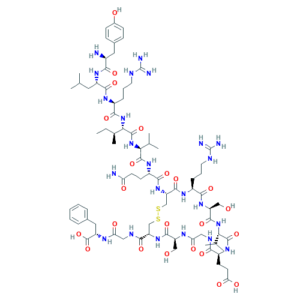
AOD9604
AOD9604, derived from the human growth hormone fragment 176-191 peptide with a di-sulfide bridge modification, is a modified version of hGH. Initially designed for its lipolytic (fat-burning) properties, AOD9604 has demonstrated promising results in research related to heart disease, osteoarthritis, and metabolic syndrome. AOD9604 has been found to promote lipolysis, the process of breaking down fat, and also inhibits lipogenesis in animal studies.
PEPTIDES LIST
- Adipotide (FTPP)
- AICAR
- AOD9604
- ARA-290
- B7-33
- BPC-157
- Bronchogen
- Cagrisema
- Cagrilintides
- Cardiogen
- Cartalax
- Cerebrolysin (215mg/ml, 10ml)
- Chonluten
- CJC-1295 DAC
- Cortagen
- DSIP
- Epithalon (Epitalon)
- Follistatin-315
- Follistatin-344
- FOXO4-DRI
- GHK-Cu (Copper Peptide)
- GHK Basic
- GHRP-2
- GHRP-6
- GHRH (GH-Releasing Hormone)
- Glutathione
- Gonadorelin (GnRH)
- GLP2 & GLP3
- hGH Fragment 176-191
- Hexarelin
- Humanin
- Ipamorelin
- Kisspeptin-10
- KPV (ACTH (11-13) alpha-MSH)
- Liraglutide (GLP-1 Analogue)
- Livagen
- LL-37 (CAP-18)
- Melanotan 2 (Melanotan II)
- Mezdutide
- MGF (C-terminal)
- ModGRF 1-29 (CJC-1295 No DAC)
- MK-677 (Ibutamoren)
- MOTS-c
- N-Acetyl Epithalon Amidate
- N-Acetyl Selank Amidate
- N-Acetyl Semax Amidate
- NAD+
- Ovagen
- Oxytocin+
- Pancragen
- PE-22-28
- PEG-MGF (Pegylated MGF)
- Pinealon
- PNC-27
- Prostamax
- PT-141 (Bremelanotide)
- P21 (P021)
- Retatrutide
- Snap8
- Tesa_Ipa_Blend
- Triblend
- Selank
- Semaglutide (GLP-1 Analogue)
- Semax
- Sermorelin
- SS-31
- Survodutide
- TB-500
- Tesamorelin
- Testagen
- Thymagen
- Thyrotropin-TRH
- Tirzepatide
- Triptorelin
- Vesugenas
- Vesilute
- Vilon
- VIP (Vasoactive Intestinal Peptide)
- GLP2
- GLP3
- Klow
- Klow8
- SLU-PP-332
- BAM-15
- Orforglipron
- Noopept
- 9-Me-BC
- Methylene Blue
- Lemon Bottle

AOD9604, derived from fragment 176-191, which in turn is a modified segment of human growth hormone (HGH), was initially developed as an anti-obesity medication due to its lipolytic (fat-burning) capabilities. What sets this peptide apart is its limited impact beyond fat reduction. AOD9604 does not seem to influence IGF-1 or insulin levels, making it a safe choice without a risk of promoting glucose intolerance or diabetes. Furthermore, there is no evidence to suggest that the body generates antibodies against AOD9604, as its structural similarity to HGH allows it to avoid triggering an immune response.
AOD-9604 is a modified human growth hormone (HGH) fragment associated with fat-burning and weight-loss research. Fragment 176–191 is described as a less stable version of AOD-9604, though both are reported to work similarly; some subjective reports note better results with Frag 176–191. AOD-9604 is also described as reducing body fat without impacting hormones like IGF-1 and insulin.
| Protocol Item | Guidance |
|---|---|
| Dose | 100–500 mcg per dose |
| Frequency | Daily |
| Cycle Length | 60–90 days (commonly listed) or up to 180 days (continuous) |
| Break Between Cycles | 30-day minimum cycle break |
| Timing Tip | Often suggested on an empty stomach in the morning or before a workout |
Site Notes (Anecdotal): Some sources theorize injecting into the area where you want to reduce fat may provide more localized benefits.
Reconstitution Options (Vial Sizes):
• 2 mg
• 5 mg
• 6 mg
• 10 mg
Reconstitution Instructions (General Handling):
• Use a clean workspace and sterile technique (sanitize vial top before access).
• Add diluent slowly along the vial wall to minimize foaming.
• Gently swirl/roll until fully dissolved (do not shake vigorously).
• Choose a diluent volume that makes it easy to measure your intended 100–500 mcg dose accurately.
• Store reconstituted solution refrigerated (2–8 °C) and protected from light.
Cautions & Contraindications:
Caution: May cause facial flushing and/or nausea.
Contraindications:
• Pregnant individuals
• Individuals with current liver or kidney disease
Sequence: Tyr-Leu-Arg-Ile-Val-Gln-Cys-Arg-Ser-Val-Glu-Gly-Ser-Cys-Gly-Phe Disulfide bridge Cys7-Cys15
Molecular Formula: C78H123N23O23S2
Molecular Weight: 1815.12 g/mol
PubChem CID: 16131447
CAS Number: 386264-39-7
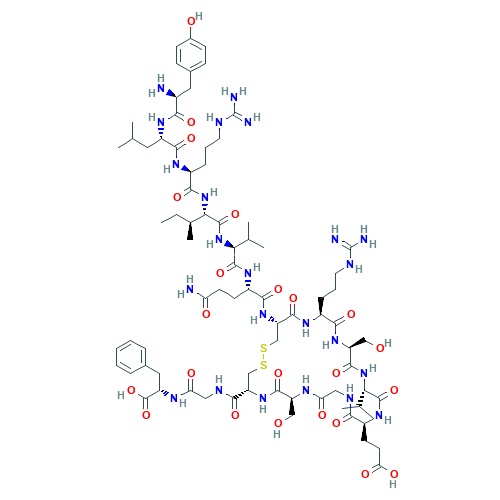
AOD9604 was initially designed as an HGH analogue with a specific focus on combating fat. In Australia, Phase 2b clinical trials involving 300 obese individuals were conducted, demonstrating that a 12-week regimen of daily peptide administration tripled weight loss compared to a placebo. Importantly, the rate of weight loss remained consistent throughout the trial, suggesting that resistance to the peptide is unlikely to develop, and longer-term treatment could lead to even more substantial weight loss.
Studies conducted in mice genetically predisposed to obesity suggest that AOD9604's fat-reducing effects are not solely attributed to its impact on beta-3-adrenergic receptors found in white fat. Initially, it was believed that the peptide bound to these receptors, boosting metabolism in fat cells and transitioning them from storage to utilization. However, it has been observed that fat loss still occurs even in mice lacking these receptors when AOD9604 is administered. This suggests the involvement of additional mechanisms. Some theories propose that AOD9604 might indirectly trigger apoptosis, or programmed cell death, in white fat cells.
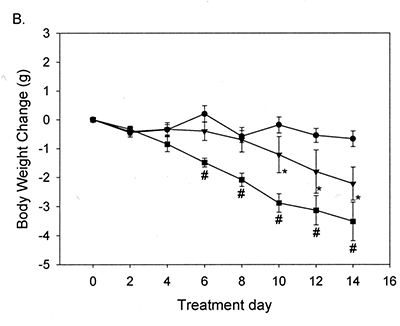
Studies conducted in rats have shown that direct injections of AOD9604 into arthritic joints can complement existing therapies, leading to improved pain management, reduced disability, and an enhanced quality of life. Both observable clinical examinations and microscopic assessments of cartilage in the affected joints suggest that AOD9604 effectively addresses the underlying causes of osteoarthritis. This peptide may serve both as a treatment and a preventive measure. While AOD9604 is effective in mitigating joint dysfunction independently, its efficacy is even greater when used in conjunction with other treatments. The precise mechanisms behind this synergy are not fully understood, but further research employing this peptide may uncover innovative pathways for enhancing cartilage growth—a challenging clinical issue.
BMI Reduction Analysis: This graph portrays a compelling perspective on the impact of adipotide treatment on BMI reduction compared to the control group. The blue line represents the control group's BMI, while the red line signifies the BMI of individuals who received adipotide treatment. The notable reduction in BMI within the treatment group serves as a compelling testament to the efficacy of adipotide in positively influencing body mass index, further substantiating its potential as a valuable tool in managing weight and related health parameters.
While AOD9604's primary role is in reducing fat and weight loss, there is emerging evidence suggesting that it may offer beneficial effects on the heart beyond its fat-reduction capabilities. It is speculated that the peptide might directly influence metabolism in a way that reduces complications unrelated to obesity. This concept is not unprecedented, as certain drugs like pioglitazone and acipimox have shown the ability to alleviate metabolic issues without addressing obesity itself. It is believed that the alternative pathway through which AOD9604 promotes fat loss, one that doesn't rely on beta-3-adrenergic receptor activation, may contribute to improving metabolic parameters while simultaneously aiding in fat loss.
Article Author :
The above literature was researched, edited and organized by Dr. Logan, M.D. Dr. Logan holds a doctorate degree from https://case.edu/medicine/Case Western Reserve University School of Medicine and a B.S. in molecular biology.
Case Western Reserve University School of Medicine
ALL ARTICLES AND PRODUCT INFORMATION PROVIDED ON THIS WEBSITE ARE FOR INFORMATIONAL AND EDUCATIONAL PURPOSES ONLY.
The product information featured on this website pertains exclusively to in-vitro studies. In-vitro studies, also known as ‘in glass’ studies, are conducted outside of living organisms. It’s important to emphasize that these products do not constitute medicines or drugs and have not received FDA approval for the prevention, treatment, or cure of any medical conditions, ailments, or diseases. It is crucial to note that the introduction of these products into the bodies of humans or animals is strictly prohibited by law.
THIS PRODUCT IS INTENDED AS A RESEARCH CHEMICAL ONLY. This designation allows the use of research chemicals strictly for in vitro testing and laboratory experimentation only. All product information available on this website is for educational purposes only. Bodily introduction of any kind into humans or animals is strictly forbidden by law. This product should only be handled by licensed, qualified professionals. This product is not a drug, food, or cosmetic and may not be misbranded, misused or mislabled as a drug, food or cosmetic.