GHRP-6
GHRP-6 (Growth Hormone Releasing Peptide-6) is a synthetic hexapeptide that activates the ghrelin (growth hormone secretagogue) receptor to stimulate growth hormone release and indirectly elevate IGF-1, with downstream effects on growth, metabolism, and tissue repair. In research models, it has been associated with increased muscle protein synthesis, appetite stimulation, and meaningful cardiovascular effects, including improved left ventricular function, reduced systemic vascular resistance, and support for coronary and post-infarction recovery. Because most data remain preclinical or in early clinical investigation, GHRP-6 is not approved for therapeutic use. At NordSci, we provide GHRP-6 strictly for laboratory research, with a focus on scientific accuracy, transparency, and responsible use as its profile in hormone regulation, metabolic health, and cardioprotection continues to develop.
PEPTIDES LIST
- Adipotide (FTPP)
- AICAR
- AOD9604
- ARA-290
- B7-33
- BPC-157
- Bronchogen
- Cagrisema
- Cagrilintides
- Cardiogen
- Cartalax
- Cerebrolysin (215mg/ml, 10ml)
- Chonluten
- CJC-1295 DAC
- Cortagen
- DSIP
- Epithalon (Epitalon)
- Follistatin-315
- Follistatin-344
- FOXO4-DRI
- GHK-Cu (Copper Peptide)
- GHK Basic
- GHRP-2
- GHRP-6
- GHRH (GH-Releasing Hormone)
- Glutathione
- Gonadorelin (GnRH)
- GLP2 & GLP3
- hGH Fragment 176-191
- Hexarelin
- Humanin
- Ipamorelin
- Kisspeptin-10
- KPV (ACTH (11-13) alpha-MSH)
- Liraglutide (GLP-1 Analogue)
- Livagen
- LL-37 (CAP-18)
- Melanotan 2 (Melanotan II)
- Mezdutide
- MGF (C-terminal)
- ModGRF 1-29 (CJC-1295 No DAC)
- MK-677 (Ibutamoren)
- MOTS-c
- N-Acetyl Epithalon Amidate
- N-Acetyl Selank Amidate
- N-Acetyl Semax Amidate
- NAD+
- Ovagen
- Oxytocin+
- Pancragen
- PE-22-28
- PEG-MGF (Pegylated MGF)
- Pinealon
- PNC-27
- Prostamax
- PT-141 (Bremelanotide)
- P21 (P021)
- Retatrutide
- Snap8
- Tesa_Ipa_Blend
- Triblend
- Selank
- Semaglutide (GLP-1 Analogue)
- Semax
- Sermorelin
- SS-31
- Survodutide
- TB-500
- Tesamorelin
- Testagen
- Thymagen
- Thyrotropin-TRH
- Tirzepatide
- Triptorelin
- Vesugenas
- Vesilute
- Vilon
- VIP (Vasoactive Intestinal Peptide)
- GLP2
- GLP3
- Klow
- Klow8
- SLU-PP-332
- BAM-15
- Orforglipron
- Noopept
- 9-Me-BC
- Methylene Blue
- Lemon Bottle

Physical activity's role in learning and memory improvement has long been a subject of study. While the precise mechanisms remain somewhat elusive, there is a growing body of evidence suggesting that exercise can enhance cognition and learning, especially when performed immediately after a learning task.
Peptides are vital signaling molecules that help coordinate growth, energy balance, and organ function, and GHRP-6 is a standout example within this class. Designed as a growth hormone secretagogue, this six–amino acid peptide binds to the ghrelin receptor, triggering intracellular signaling cascades that promote growth hormone release from the pituitary gland and modulate related hormones such as somatostatin and IGF-1. Through this axis, GHRP-6 offers researchers a powerful tool for studying how growth hormone influences bone, muscle, and tissue remodeling.
What sets GHRP-6 apart is its apparent activity beyond endocrine regulation. Preclinical studies suggest that it may act directly on peripheral tissues, particularly the heart and skeletal muscle, where it has been linked to enhanced muscle protein synthesis, improved left ventricular output, better coronary function, reduced systemic vascular resistance, and protection in post–myocardial infarction models. At the same time, its impact on the ghrelin system has drawn interest for its effects on appetite, nutrient handling, and metabolic research, including conditions involving cachexia or wasting.
Despite these promising findings, GHRP-6 remains under investigation, with many applications still in early-stage or preclinical research, including work in cardiomyocytes, oxidative stress defense, and multiple organ protection. It is not intended or approved for human use. At NordSci, our mission is to supply high-quality GHRP-6 for research purposes only and to support investigators with clear, evidence-based information on its structure, mechanism of action, and emerging applications in hormone, metabolic, and cardiovascular science.
GHRP-6 is described as the third strongest Growth Hormone Releasing Peptide (GHRP). It mimics the effects of growth hormone and ghrelin (the “hunger hormone”), and has been shown to positively affect heart cells. It’s discussed for improving skin healing and boosting sexual motivation. (Educational / research context only.)
Deeper Research Notes (Summary):
• GHRP-6 is described as stimulating GH release by mimicking ghrelin and binding growth hormone secretagogue receptors (GHSR) in the brain, while inhibiting somatostatin (a hormone that suppresses GH production).
• It’s described as enhancing mood by increasing dopamine levels in the brain, which may help in contexts such as anxiety and depression.
• It’s discussed for improving skin healing by promoting new blood vessels, supporting collagen production, and reducing scar formation.
Dosing & Cycling (As Listed):
Timing note: Carbohydrates and fatty acids are noted as potentially blunting GH release; it’s described as best taken ~30 minutes before eating or ~2 hours after eating.Frequency note: Multiple injections can be taken in a day to increase GH secretion (often mentioned in bodybuilding contexts).
| Protocol Item | Guidance |
|---|---|
| Dose | 100–500 mcg per dose |
| Cycling | 1–7× weekly, 8–12 weeks on, 4–8 weeks off |
Caution & Contraindications:
Caution:
• May cause water retention, hunger, headaches, and changes in blood sugar levels
• Use caution in individuals with existing hormonal imbalances or conditions
• Extended use or higher doses may cause high release of prolactin
Contraindications:
• Individuals with cancer or a history of hormone-sensitive cancers and/or a history of severe low blood sugar levels
Reconstitution Options (Vial Format):
• 5 mg
• 10 mg
Reconstitution (General Handling):
• Use sterile technique and sanitize the vial stopper before access.
• Add bacteriostatic water (or label-specified diluent) slowly along the vial wall to minimize foaming.
• Gently swirl/roll until fully dissolved (avoid vigorous shaking).
• Store according to the product label/spec sheet and protect from light as applicable.
Sequence: His-D-Trp-Ala-Trp-D-Phe-Lys
Molecular Formula: C46H56N12O6
Molecular Weight: 873.032 g mol^-1
PubChem CID: 9919153
CAS Number: 87616-84-0
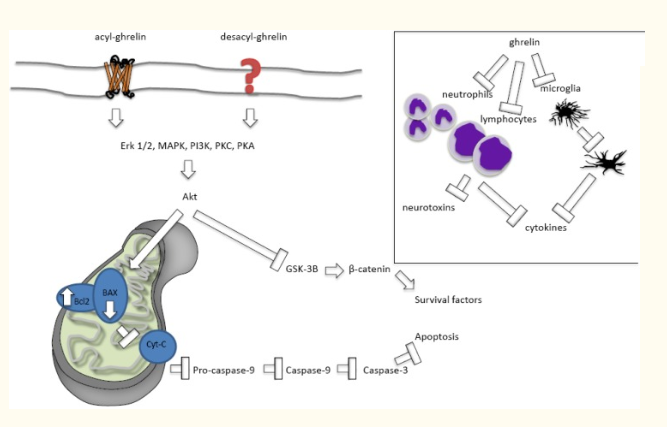
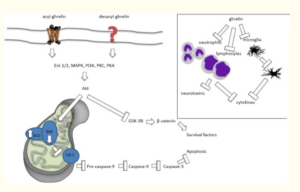
Initially, the cognitive benefits of exercise were attributed to improved blood flow and vague references to growth hormone (GH). Research in rodents has shed light on why GH may play a crucial role in memory formation. Studies have shown that GHRP-6 can help consolidate newly formed memories and convert short-term memories into long-term storage. Furthermore, there is strong support for the involvement of ghrelin/GHRP-6 in spatial learning tasks. This implies that exercise-induced cognitive improvements may be mediated through growth hormone secretagogues like ghrelin, with the GH effect potentially being indirect and secondary to these peptides.
Physical activity’s role in learning and memory improvement has long been a subject of study. While the precise mechanisms remain somewhat elusive, there is a growing body of evidence suggesting that exercise can enhance cognition and learning, especially when performed immediately after a learning task.
Initially, the cognitive benefits of exercise were attributed to improved blood flow and vague references to growth hormone (GH). Research in rodents has shed light on why GH may play a crucial role in memory formation. Studies have shown that GHRP-6 can help consolidate newly formed memories and convert short-term memories into long-term storage. Furthermore, there is strong support for the involvement of ghrelin/GHRP-6 in spatial learning tasks. This implies that exercise-induced cognitive improvements may be mediated through growth hormone secretagogues like ghrelin, with the GH effect potentially being indirect and secondary to these peptides.
Animal models of stroke are employed to explore GHRP-6’s ability to safeguard neurons and other central nervous system cells from the consequences of inadequate blood supply. GHRP-6 not only shields brain tissue during acute strokes but can also restore memory deficits following a stroke if administered promptly. It appears that ghrelin and its analogues inhibit apoptosis (programmed cell death) and reduce inflammation in the brain, safeguarding neurons from both genetic programming and the adverse post-stroke environment.
GHRP-6’s side effects are generally minimal to moderate, with low oral bioavailability but excellent subcutaneous bioavailability in mice. It’s important to note that the dosage per kilogram used in mice does not directly translate to humans. GHRP-6 available at Peptide Sciences is intended exclusively for educational and scientific research purposes and is not meant for human consumption. It should only be acquired by licensed researchers.
GHRP-6’s potential to safeguard brain tissue gained significant attention with a 2018 study revealing the presence of ghrelin receptors in the substantia nigra, a brain region affected by Parkinson’s disease. Patients with known genetic links to Parkinson’s exhibit reduced expression of ghrelin receptors on substantia nigra neurons. Moreover, rats with a similar defect develop Parkinson’s symptoms when exposed to an antagonist. Therefore, it’s plausible that agonists like GHRP-6 may prove useful in Parkinson’s disease. Researchers speculate that the peptide, by binding to the diminished receptors, might reduce neuron apoptosis in the substantia nigra, potentially slowing or preventing the onset of Parkinson’s disease.
GHRP-6 enhances the survival of various cell types by inhibiting programmed cell death. It also interacts with the CD36 receptor, which is known to promote blood vessel growth, particularly in wounds. Studies in rats have demonstrated that these properties make GHRP-6 highly valuable in wound healing. It accelerates wound closure, enhances the production of extracellular matrix proteins such as collagen, and interferes with the normal scar formation process. Consequently, it aids in organizing the overall structure at the wound site and reducing the appearance of scar tissue. GHRP-6 has also been found effective in preventing hypertrophic scars, offering relief to those who tend to develop such scars following injuries or surgeries
Research in porcine models of heart attack has shown that GHRP-6 can mitigate oxidant cytotoxicity, effectively shielding heart cells from damage caused by free radicals. This finding raises hope that future drugs developed from these insights could be administered after a heart attack to safeguard vulnerable but still viable cells. Such treatment has the potential to reduce mortality and enhance long-term outcomes following a heart attack.
Studies in male rats have suggested that ghrelin receptors in the central nervous system play a role in sexual behavior and motivation. Elevated ghrelin levels can boost sexual motivation. Research involving GHRP-6 and a modified version designed to antagonize ghrelin receptors has indicated that these receptors in specific brain regions help modulate sexual behavior and reward-seeking behavior. These findings have implications not only for sexual health but also for conditions like hypoactive sexual desire disorder. Moreover, ghrelin may have an impact on mood as part of its influence on motivation. Mouse studies have shown that GHRP-6 and other ghrelin receptor agonists can reduce depression and enhance the function of mood-associated brain regions, particularly under stress. This suggests that GHRP-6 could be a foundation for research into potential novel treatments for stress, anxiety, depression, and other mood disorders.
GHRP-6 is associated with minimal to moderate side effects, with low oral but excellent subcutaneous bioavailability in mice. It’s essential to note that the dosage per kilogram used in mice doesn’t directly translate to humans. GHRP-6 available at Peptide Sciences is intended exclusively for educational and scientific research purposes and should not be consumed by humans. It should only be acquired by licensed researchers.
The above literature was researched, edited and organized by Dr. Logan, M.D. Dr. Logan holds a doctorate degree from https://case.edu/medicine/Case Western Reserve University School of Medicine and a B.S. in molecular biology.
Case Western Reserve University School of Medicine
ALL ARTICLES AND PRODUCT INFORMATION PROVIDED ON THIS WEBSITE ARE FOR INFORMATIONAL AND EDUCATIONAL PURPOSES ONLY.
The product information featured on this website pertains exclusively to in-vitro studies. In-vitro studies, also known as ‘in glass’ studies, are conducted outside of living organisms. It’s important to emphasize that these products do not constitute medicines or drugs and have not received FDA approval for the prevention, treatment, or cure of any medical conditions, ailments, or diseases. It is crucial to note that the introduction of these products into the bodies of humans or animals is strictly prohibited by law.
THIS PRODUCT IS INTENDED AS A RESEARCH CHEMICAL ONLY. This designation allows the use of research chemicals strictly for in vitro testing and laboratory experimentation only. All product information available on this website is for educational purposes only. Bodily introduction of any kind into humans or animals is strictly forbidden by law. This product should only be handled by licensed, qualified professionals. This product is not a drug, food, or cosmetic and may not be misbranded, misused or mislabled as a drug, food or cosmetic.