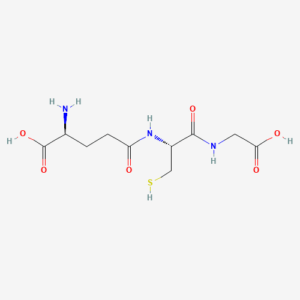
L-Glutathione
Glutathione is a potent anti-oxidant and regulator of a number of biochemical processes. It is abundant in human tissues, but subject to decline with aging. Research shows that can help to reduce neurodegenerative disease, promote cartilage health, ward off age-related changes in the eye, improve immune function, and maintain more youthful skin. Overall, there is robust evidence that glutathione is a potent anti-aging compound with extensive immune and health benefits.
PEPTIDES LIST
- Adipotide (FTPP)
- AICAR
- AOD9604
- ARA-290
- B7-33
- BPC-157
- Bronchogen
- Cagrisema
- Cagrilintides
- Cardiogen
- Cartalax
- Cerebrolysin (215mg/ml, 10ml)
- Chonluten
- CJC-1295 DAC
- Cortagen
- DSIP
- Epithalon (Epitalon)
- Follistatin-315
- Follistatin-344
- FOXO4-DRI
- GHK-Cu (Copper Peptide)
- GHK Basic
- GHRP-2
- GHRP-6
- GHRH (GH-Releasing Hormone)
- Glutathione
- Gonadorelin (GnRH)
- GLP2 & GLP3
- hGH Fragment 176-191
- Hexarelin
- Humanin
- Ipamorelin
- Kisspeptin-10
- KPV (ACTH (11-13) alpha-MSH)
- Liraglutide (GLP-1 Analogue)
- Livagen
- LL-37 (CAP-18)
- Melanotan 2 (Melanotan II)
- Mezdutide
- MGF (C-terminal)
- ModGRF 1-29 (CJC-1295 No DAC)
- MK-677 (Ibutamoren)
- MOTS-c
- N-Acetyl Epithalon Amidate
- N-Acetyl Selank Amidate
- N-Acetyl Semax Amidate
- NAD+
- Ovagen
- Oxytocin+
- Pancragen
- PE-22-28
- PEG-MGF (Pegylated MGF)
- Pinealon
- PNC-27
- Prostamax
- PT-141 (Bremelanotide)
- P21 (P021)
- Retatrutide
- Snap8
- Tesa_Ipa_Blend
- Triblend
- Selank
- Semaglutide (GLP-1 Analogue)
- Semax
- Sermorelin
- SS-31
- Survodutide
- TB-500
- Tesamorelin
- Testagen
- Thymagen
- Thyrotropin-TRH
- Tirzepatide
- Triptorelin
- Vesugenas
- Vesilute
- Vilon
- VIP (Vasoactive Intestinal Peptide)
- GLP2
- GLP3
- Klow
- Klow8
- SLU-PP-332
- BAM-15
- Orforglipron
- Noopept
- 9-Me-BC
- Methylene Blue
- Lemon Bottle

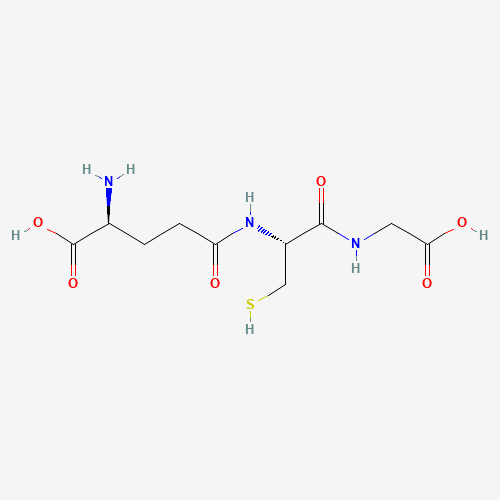
L-Glutathione is a short peptide consisting of cysteine, glutamate, and glycine. It is naturally present throughout the body and primarily functions as an antioxidant while supporting various processes in the central nervous system. It plays a particularly crucial role in the liver’s detoxification processes and serves as a scavenger of free radicals in the brain. There is substantial evidence linking the loss of glutathione to neurodegenerative diseases such as Parkinson’s disease, as well as eye-related conditions like cataracts and diabetic retinopathy. Reduced glutathione levels are believed to both result from the aging process and contribute to it, and chronic diseases can further deplete glutathione levels.
Oral supplementation of glutathione appears to be ineffective due to the breakdown of the peptide in the gastrointestinal system. While there is much discussion about using glutathione precursors like N-acetyl cysteine (NAC), research indicates that glutathione levels tend to decline with age due to reduced production capacity, often beginning in middle age. This reduced production capacity limits the effectiveness of NAC and other precursors in generating glutathione. The most compelling evidence suggests that glutathione is most effective when administered through injection or inhalation via nasal preparations. These methods provide a more direct and efficient means of replenishing glutathione levels in the body.
Glutathione is described as a protein made of cysteine, glutamate, and glycine, discussed for its role as an antioxidant that helps protect cells from damage caused by free radicals. It’s also discussed for supporting liver detoxification and protecting against oxidative-stress–related issues as levels may decline with aging and chronic disease. (Educational context only.)
Deeper Research Notes (Summary):
• Functions through redox reactions (electron transfer) to neutralize harmful free radicals and reactive oxygen species (ROS), helping protect cells and supporting recycling of other antioxidants (e.g., vitamins C and E).
• Discussed for forming signaling molecules such as leukotrienes and prostaglandins that support immune response and inflammation signaling, and for supporting proper protein folding and overall cellular health.
• Discussed for reducing oxidative stress in the brain; lower levels with age may contribute to oxidative damage patterns associated with neurodegenerative disease discussion.
• Low levels are discussed alongside age-related issues (e.g., diabetes/cancer contexts), with glutathione’s detox role described as helping remove harmful substances from the body.
| Protocol Item | Guidance |
|---|---|
| Dose (per administration) | 100–600 mg per dose |
| Frequency guidance | Typically, smaller doses are used for more frequent dosing, while larger doses are used for less frequent dosing. |
| Cycling | 1–3× per week for ~1 month; can be extended up to 3–4 months, with a 1-month minimum cycle break between. |
| Adjustments | Cycle length and intensity depend on response and goal. |
Cautions & Contraindications:
Cautions:
• May cause nausea, diarrhea, or stomach discomfort, especially at higher doses
• Individuals with asthma or sulfur allergies should be cautious, as it may trigger respiratory or allergic reactions
• Common guidance notes stopping glutathione 2 weeks before surgery due to potential effects on inflammation and healing
Contraindications:
• None noted at this time
Reconstitution Options (Vial Format):
• 500 mg
• 600 mg
• 1500 mg
Reconstitution (General Handling):
• Use sterile technique; sanitize the vial stopper before access.
• Reconstitute per the product’s label/spec for compatible diluent and volume.
• Add diluent slowly along the vial wall; gently swirl/roll until dissolved (avoid vigorous shaking).
• Store and handle according to label guidance and protect from light as applicable.
Molecular Formula: C10H17N3O6S
Molecular Weight: 307.33 g mol^-1
PubChem CID: 124886
CAS Number: 170-18-8
Alternative Names:Glutathione, Isethion, GSH
Glutathione is primarily recognized for its powerful antioxidant properties. It helps protect cells from damage caused by oxidative stress, which is linked to aging and various diseases. It is neutralizes harmful free radicals and prevents cellular damage, making it an essential component of the body’s defense against oxidative damage.
Glutathione is involved in the production of leukotrienes and prostaglandins, which are inflammatory mediators. It plays a vital role in regulating immune responses and the inflammatory cascade. Maintaining optimal levels can help modulate immune system activity and inflammation.
glutamic acid is a cofactor in several biochemical reactions and enhances the function of citrulline in the nitric oxide cycle. It is essential for proper protein folding in the endoplasmic reticulum, aiding in the formation of disulfide bonds. This function is crucial for the correct structure and function of proteins, receptors, and enzymes.
While it’s debated whether glutamic acid acts as a neurotransmitter, it does influence the redox states of receptors like the NMDA receptor. It also appears to activate ionotropic receptors and the purinergic P2X7 receptor in retinal Muller cells, which are involved in neurotransmitter regulation. This suggests a role in modulating neurotransmitter levels.
Glutathione deficiency has been associated with a wide range of diseases, including diabetes, HIV, cancer, tuberculosis, and more. Research indicates that measuring glutamic acid levels may serve as a marker of disease severity and progression. Maintaining optimal glutathione levels may contribute to overall health and the efficacy of treatments.
Oxidative damage to cells is a significant contributor to the aging process. As individuals age, there is a decrease in the body’s capacity to synthesize glutamic acid, leading to increased vulnerability to oxidative damage. Supplementation with glutathione, particularly through injection or nasal delivery, has been explored as a means to counteract the effects of aging and oxidative stress.
Glutathione is not well-absorbed through dietary sources or oral intake due to potential enzymatic breakdown in the gastrointestinal tract. While certain compounds like curcumin and N-acetyl cysteine may support glutamic acid levels, their effects may be limited. Injecting or inhaling glutathione is considered more effective for significantly increasing glutamic acid levels, though transdermal delivery systems are also being explored.
Research suggests that maintaining optimal glutathione levels is crucial for countering oxidative stress, supporting immune function, and potentially influencing the aging process. Further studies are needed to fully understand the therapeutic potential of glutathione supplementation and its impact on health and aging.
The role of glutathione in various aspects of health and disease is indeed multifaceted and complex. Here are some key takeaways regarding glutathione’s involvement in Alzheimer’s disease, cancer, and its significance in brain health:
Research indicates that Alzheimer’s disease has an oxidative component, with defective eradication of free radicals in the central nervous system potentially contributing to the risk of developing AD. The graph illustrates that a reduction in glutathione levels, which typically occurs around middle age in both mice and humans, is followed by an increase in free radical levels. This pattern suggests a possible link between declining glutathione levels and aspects of aging, including age-related cognitive decline.
Glutathione plays a dual role in cancer, acting as both a protector and potentially a promoter of tumor progression. In the context of cancer treatment, glutathione can protect cancer cells from the effects of chemotherapy by scavenging toxins and free radicals. Researchers are exploring strategies to selectively reduce glutathione levels in tumor cells to enhance the effectiveness of chemotherapy. However, in preventing cancer development, glutathione can be beneficial by aiding in the detoxification of carcinogens, particularly in organs like the lungs exposed to harmful compounds such as those in cigarette smoke.
Oral glutathione supplementation has shown potential in preventing the development of skin cancer following exposure to UV light, as observed in studies involving rats. This suggests a protective effect of glutathione against UV-induced skin damage. The effectiveness of injection as a delivery method for even greater protection remains a subject of investigation.
Glutathione levels are associated with various neurological conditions, including Parkinson’s disease (PD). Glutathione deficiency can contribute to neurodegenerative diseases, and research suggests it plays a role in iron-dependent cell death or ferroptosis, a process implicated in PD and other neurodegenerative disorders. Supplementation with glutathione or its precursors, such as N-acetyl cysteine, has been explored as a means to counteract neurological aging and potentially reduce the risk of neurodegenerative diseases.
In summary, glutathione’s functions are context-dependent, and its role can vary depending on the specific health condition or stage of disease. While glutathione can protect against oxidative damage and carcinogen detoxification, it can also promote tumor progression in established cancer. Further research is ongoing to understand how to leverage glutathione effectively in various health contexts. Additionally, glutathione’s significance in brain health highlights its potential as a therapeutic target for neurodegenerative diseases.
Glutathione is indeed a remarkable molecule with diverse functions and benefits throughout the body. Here are some key points summarizing its roles in various aspects of health and its potential benefits:
Glutamic acid levels decline with age, especially in the brain, making it more susceptible to neurodegenerative diseases like Parkinson’s disease and damage following stress or insults. glutamic acid acts as an important defense against oxidative stress, and its supplementation, especially through direct injection or inhalation, can help protect the central nervous system.
Glutamic acid plays a crucial role in maintaining eye health, particularly in the retina and lens. It acts as an antioxidant, protects visual acuity, supports retinal health, and helps prevent conditions like cataracts and age-related visual changes. Research is ongoing to develop topical delivery methods for glutathione to directly benefit the eyes.
Glutamic acid contributes to maintaining cartilage health, which is essential for preventing osteoarthritis. Studies suggest that both supplementation and rest are important for maximizing glutathione function in cartilage. Proper exercise followed by adequate rest can promote joint health by boosting glutathione levels within the joints.
Glutamic acid supplementation has been shown to have a positive impact on skin health. It can reduce the appearance of wrinkles, improve skin elasticity, reduce age spots, and even lighten the skin by reducing melanin synthesis. This may contribute to a reduction in skin cancer incidence.
While glutamic acid supplementation may not have a significant effect on the immune system during good health, it can be highly beneficial during illness. It boosts immune function, even in cases of viral infections like HIV. Glutathione supplementation can prepare the immune system for a robust response when needed.
Glutathione is considered a potent anti-aging compound due to its antioxidant properties and its ability to support various bodily functions. It can help reduce oxidative damage, support healthy aging, and potentially delay age-related changes.
It’s important to note that glutamic acid supplementation, particularly through injection or inhalation, may be more effective in increasing glutamic acid levels in the body compared to oral supplementation. Additionally, while glutathione appears to be generally safe, it’s crucial to use it for research purposes and consult with a healthcare professional before considering any form of supplementation.
The above literature was researched, edited and organized by Dr. Logan, M.D. Dr. Logan holds a doctorate degree from https://case.edu/medicine/Case Western Reserve University School of Medicine and a B.S. in molecular biology.
Case Western Reserve University School of Medicine
ALL ARTICLES AND PRODUCT INFORMATION PROVIDED ON THIS WEBSITE ARE FOR INFORMATIONAL AND EDUCATIONAL PURPOSES ONLY.
The product information featured on this website pertains exclusively to in-vitro studies. In-vitro studies, also known as ‘in glass’ studies, are conducted outside of living organisms. It’s important to emphasize that these products do not constitute medicines or drugs and have not received FDA approval for the prevention, treatment, or cure of any medical conditions, ailments, or diseases. It is crucial to note that the introduction of these products into the bodies of humans or animals is strictly prohibited by law.
THIS PRODUCT IS INTENDED AS A RESEARCH CHEMICAL ONLY. This designation allows the use of research chemicals strictly for in vitro testing and laboratory experimentation only. All product information available on this website is for educational purposes only. Bodily introduction of any kind into humans or animals is strictly forbidden by law. This product should only be handled by licensed, qualified professionals. This product is not a drug, food, or cosmetic and may not be misbranded, misused or mislabled as a drug, food or cosmetic.