Essence
Essence is a nutrient-rich formulation combining B-vitamins, amino acids, and key metabolites such as Niacinamide, Biotin, and Hydroxyproline. It is designed to support skin, hair, and metabolic health through enhanced collagen synthesis, improved cellular repair, and optimized energy metabolism.

Essence works by integrating vitamins that play pivotal roles in energy production and tissue regeneration with amino acids that contribute to collagen formation and structural integrity. Niacinamide supports the skin barrier and reduces inflammation, while Biotin enhances keratin synthesis for healthy hair and nails. The addition of Hydroxyproline, Glycine, and Proline further supports collagen turnover, crucial for maintaining elasticity and firmness of skin. Its B-vitamin complex (Thiamine, Riboflavin, Dexpanthenol) assists in metabolic enzyme reactions, while Choline and Inositol contribute to lipid metabolism and liver health. Collectively, Essence acts as a multifaceted formulation for skin vitality, metabolic balance, and cellular resilience.
- Niacinamide: Supports cellular energy production and regulates keratin expression through NAD+/NADH pathways.
- Thiamine (Vitamin B1): Facilitates carbohydrate metabolism and neural energy function.
- Dexpanthenol (Vitamin B5): Precursor to coenzyme A, essential for fatty acid metabolism and cellular repair.
- Choline: Contributes to lipid transport, acetylcholine synthesis, and liver health.
- Inositol: Aids in cell membrane integrity, lipid signaling, and metabolic regulation.
- Biotin: Regulates gene expression related to keratin and supports skin, hair, and nail research models.
- Riboflavin (Vitamin B2): Plays a key role in mitochondrial energy production and oxidative enzyme function.
- Glycine: Acts as a structural amino acid and neurotransmitter involved in collagen formation and detoxification.
- Proline: Integral for collagen synthesis and connective tissue integrity.
- Hydroxyproline: Works synergistically with Proline to form the collagen backbone, supporting structural protein formation.
Molecular Class: Vitamin–Amino Acid Complex
Mechanistic Notes: Hydroxyproline and Proline form a backbone for collagen synthesis, while Niacinamide and Biotin regulate cellular energy and keratin expression.
Recommended Dosage: 1ml, up to 3 times per week
Note: Supports healthier skin, stronger nails, and improved hair quality. Not formulated for hair regrowth.
FOR RESEARCH USE ONLY. Essence is supplied exclusively for in vitro and analytical studies investigating the biochemical mechanisms of skin, hair, and nail health. The following protocol is intended for controlled laboratory research focused on collagen synthesis, keratin regulation, and cellular energy metabolism. This formulation is not approved for human or animal administration.
Suggested Experimental Range: Standard laboratory conditions employ an exposure equivalent of 1.0 mL up to three times per week. This range is designed to evaluate the compound’s impact on collagen turnover, epidermal repair, and metabolic cofactor activity across repeated dosing intervals.
Timing: Experimental models typically incorporate Essence in recurring cycles (every 48–72 hours) to simulate continuous nutrient delivery. This allows researchers to studycumulative effects on skin barrier integrity, keratin synthesis, and fibroblast metabolism. The timing supports assessment of long-term cellular adaptation and tissue resilience under oxidative or metabolic stress.
Observations: Research applications have reported enhanced collagen expression, fibroblast activity, and structural protein density within in vitro models. Essence does not induce hair regrowth; rather, it serves as a model for studying improvedhair strength, follicular keratinization, and skin barrier quality. These effects may correspond with increased hydroxyproline levels and enhanced B-vitamin–driven mitochondrial repair processes.
Data Collection and Experimental Guidance: Researchers are advised to measure biomarkers such as hydroxyproline concentration, collagen peptide formation, keratin mRNA expression, and cellular ATP turnover when evaluating outcomes. Comparative analysis across concentration gradients can help quantify structural protein synthesis, cellular recovery rate, and lipid metabolism efficiency. All research should adhere to institutional biosafety and laboratory standards.
Niacinamide, also known as vitamin B3 or nicotinamide, is an essential nutrient that supports cellular energy, DNA repair, and metabolic balance. It converts into NAD⁺ and NADP⁺—key cofactors for ATP production and hundreds of enzymatic reactions—helping maintain mitochondrial efficiency and protect cells from oxidative stress. Widely studied for its skin benefits, niacinamide strengthens the skin barrier, reduces inflammation, regulates oil production, and promotes a clearer, more even complexion. It also supports neurological and liver health, glucose metabolism, and overall cellular resilience without causing the flushing associated with niacin.
Structure
Molecular Formula: C6H6N2O
Molecular Weight: 122.12 g/mol
PubChem CID: 936
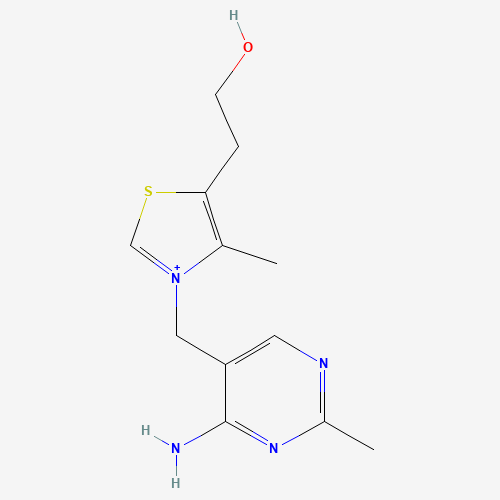
Thiamine, also known as vitamin B₁, is a vital nutrient that plays a key role in energy metabolism and nervous system function. It serves as a cofactor for enzymes involved in converting carbohydrates into ATP, the body’s primary energy source, supporting optimal muscle, brain, and heart performance. Thiamine also aids in neurotransmitter synthesis and nerve conduction, helping maintain mental clarity and coordination. In research settings, it’s studied for its role in preventing fatigue, enhancing metabolic efficiency, and protecting against oxidative and neurological stress.
Structure
Sequence: Q
Molecular Formula: C12H17N4OS+
Molecular Weight: 265.36 g/mol
PubChem CID: 1130
Dexpanthenol, the biologically active form of vitamin B₅ (pantothenic acid), is essential for energy production, cellular repair, and tissue regeneration. It acts as a precursor to coenzyme A, a molecule critical for fatty acid metabolism and the synthesis of hormones, neurotransmitters, and acetylcholine. Dexpanthenol is widely studied for its ability to support wound healing, improve skin hydration, and reduce inflammation by enhancing epithelial barrier integrity. In research contexts, it is also valued for its role in maintaining metabolic efficiency, promoting recovery from oxidative stress, and supporting overall cellular vitality.
Structure
Molecular Formula: C9H19NO4
Molecular Weight: 146.19 g/mol
PubChem CID: 131204
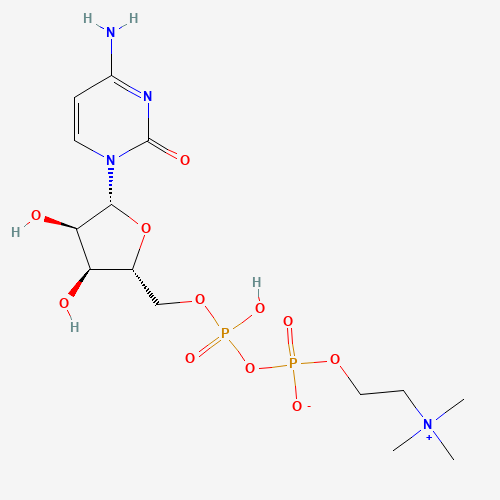
CDP-Choline, also known as Citicoline, is a naturally occurring compound involved in brain energy metabolism and phospholipid synthesis. It provides choline for the formation of acetylcholine, a key neurotransmitter for memory, learning, and cognitive performance, while also supporting the regeneration of neuronal membranes through phosphatidylcholine production. Research shows CDP-Choline enhances focus, mental clarity, and recovery from neurological injury by stabilizing cell membranes and improving cerebral blood flow. It is widely studied for its potential in promoting neuroprotection, cognitive longevity, and overall brain health.
Structure
Molecular Formula: C14H26N4O11P2
Molecular Weight: 488.32 g/mol
PubChem CID: 13804
Inositol, often referred to as vitamin B₈, is a naturally occurring compound that plays a crucial role in cellular signaling, lipid metabolism, and neurotransmitter balance. It serves as a structural component of cell membranes and supports insulin sensitivity by enhancing communication between hormones and cells. In research, inositol is studied for its effects on mood regulation, stress resilience, and metabolic health, particularly in relation to insulin resistance and reproductive hormone balance. It also supports liver function and nerve health, making it a key nutrient for overall cellular stability and metabolic harmony.
Structure
Molecular Formula: C6H12O6
Molecular Weight: 180.16 g/mol
PubChem CID: 892
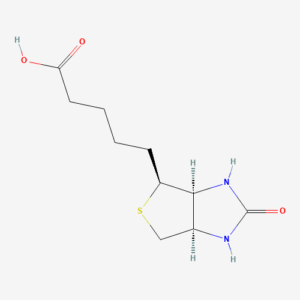
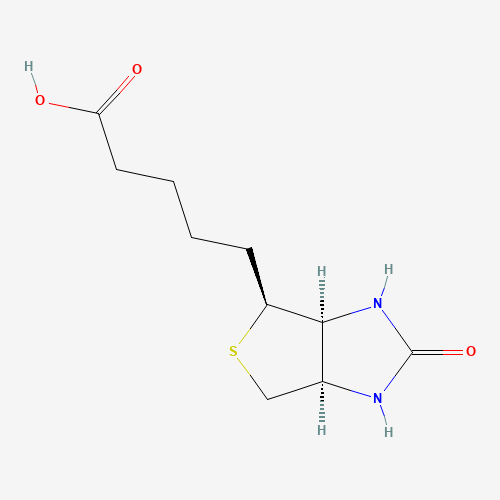
Biotin, also known as vitamin B₇, is a water-soluble nutrient essential for energy metabolism, cellular growth, and the maintenance of healthy skin, hair, and nails. It functions as a coenzyme for carboxylase enzymes involved in synthesizing fatty acids, metabolizing amino acids, and regulating glucose. By supporting keratin production and cellular renewal, biotin promotes strong hair and nail structure while enhancing skin vitality. In research, it is frequently examined for its role in improving metabolic efficiency, supporting mitochondrial activity, and maintaining overall tissue integrity.
Structure
Sequence: R
Molecular Formula: C10H16N2O3S
Molecular Weight: 244.31 g/mol
PubChem CID: 171548
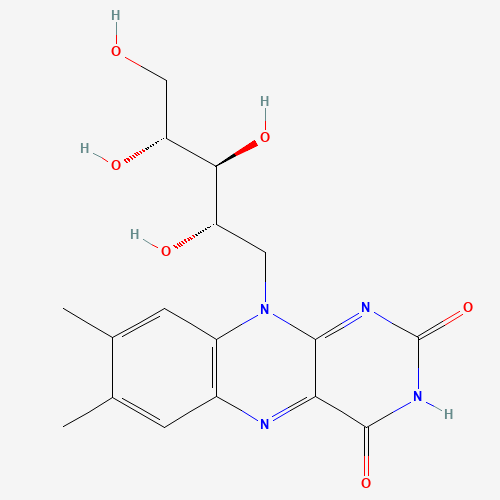
Riboflavin, also known as vitamin B2, is a key component of cellular energy metabolism and antioxidant defense. It serves as a precursor to FAD and FMN, two cofactors essential for enzymatic reactions that convert nutrients into ATP. Riboflavin supports red blood cell formation, promotes healthy skin and eyes, and helps maintain proper nervous system function. It also plays a crucial role in regenerating glutathione, one of the body’s primary antioxidants, protecting cells from oxidative damage. In research, riboflavin is valued for its contributions to mitochondrial efficiency, metabolic balance, and overall cellular resilience.
Structure
Sequence: R
Molecular Formula: C17H20N4O6
Molecular Weight: 376.4 g/mol
PubChem CID: 493570
L-Proline is a non-essential amino acid vital for collagen synthesis, tissue repair, and structural integrity throughout the body. It serves as a key building block for connective tissues such as skin, tendons, cartilage, and blood vessels, helping maintain elasticity and strength. L-Proline also supports wound healing and joint health by stabilizing collagen triple-helix formation. In research, it is often studied for its role in enhancing cellular regeneration, promoting skin firmness, and protecting against oxidative and environmental stress that contribute to tissue aging.
Structure
Sequence: P
Molecular Formula: C5H9NO2
Molecular Weight: 115.13 g/mol
PubChem CID: 145742
Glycine is a conditionally essential amino acid that plays a central role in collagen synthesis, cellular repair, and nervous system regulation. It contributes to the structural integrity of skin, joints, and connective tissues while also acting as an inhibitory neurotransmitter that promotes relaxation and sleep quality. Glycine supports detoxification, antioxidant production through glutathione synthesis, and overall metabolic balance. In research, it is widely examined for its roles in improving tissue regeneration, reducing oxidative stress, and maintaining systemic homeostasis.
Structure
Sequence: G
Molecular Formula: C2H5NO2
Molecular Weight: 75.07 g/mol
PubChem CID: 750
Hydroxyproline is a specialized amino acid derived from proline and is a key structural component of collagen, essential for maintaining skin elasticity, joint integrity, and connective tissue strength. It stabilizes the collagen triple-helix structure, ensuring proper tissue resilience and repair. Hydroxyproline levels often reflect collagen turnover, making it a valuable marker in studies of aging, wound healing, and tissue regeneration. In research, it is recognized for its role in promoting dermal firmness, supporting bone and vascular health, and enhancing overall structural stability within the body.
Structure
Sequence: X
Molecular Formula: C5H9NO3
Molecular Weight: 131.13 g/mol
PubChem CID: 5810
Essence is a vitamin–amino acid research complex formulated to support investigations into skin integrity, hair and nail quality, and metabolic balance. It integrates key B-vitamins, amino acids, and collagen-associated metabolites—such asNiacinamide, Biotin, Hydroxyproline, Proline, and Glycine—to create a multifaceted model for studying cellular energy metabolism, collagen synthesis, and keratin regulation.
Niacinamide (Vitamin B3) has been extensively studied for its ability to enhance epidermal lipid synthesis, improve the skin’s barrier function, and reduce transepidermal water loss [1,2]. It contributes to cellular repair by supporting NAD+/NADH balance and mitochondrial energy production, making it a valuable component in research on dermal renewal and oxidative resilience.
Biotin (Vitamin B7) plays a crucial role in keratin expression, hair shaft integrity, and nail matrix function. Studies have shown that Biotin supplementation can improve hair thickness and nail firmness, although it does not induce new hair growth [3,4]. Its primary role is in reinforcing existing structural proteins through carboxylase enzyme activation and fatty acid metabolism.
Hydroxyproline, Proline, and Glycine are essential for collagen stability and extracellular matrix formation. Hydroxyproline serves as a biomarker of collagen metabolism and is directly linked to dermal elasticity and skin regeneration [5,6]. The synergy between Proline and Hydroxyproline enhances triple-helix collagen formation, providing a reliable model for studying tissue strength, wound healing, and anti-aging mechanisms.
The B-vitamin complex—including Thiamine (B1), Riboflavin (B2), and Dexpanthenol (B5)—supports mitochondrial function, enzymatic energy transfer, and cellular redox balance [7,8]. These vitamins are integral to cellular repair, protein turnover, and metabolic enzyme regulation, forming the biochemical foundation for tissue recovery and vitality.
Choline and Inositol further contribute to Essence’s metabolic scope by promoting lipid metabolism, hepatic detoxification, and membrane integrity[9,10]. These compounds are often studied for their roles in maintaining homeostasis between fat transport, liver function, and systemic methylation pathways.
Collectively, Essence represents a research model for dermal rejuvenation, metabolic optimization, and cellular defense. Its components work synergistically to support collagen renewal, strengthen hair and nail structures, and enhance cellular resilience through improved mitochondrial and enzymatic activity. Research applications focus on skin elasticity, keratin modulation, oxidative defense,and metabolic recovery mechanisms within in vitro systems.
References
Nicotineamide in dermatology: The skin's barrier function and anti-inflammatory properties.
Topical niacinamide reduces fine lines and wrinkles in aging skin.
A review of the use of biotin for hair loss.
Biotin's role in metabolism and gene expression.
The collagen family.
Posttranslational enzymes in the biosynthesis of collagen: Hydroxylation and glycosylation.
Recent advances in B-vitamin nutrition.
Vitamin B2 and B5 metabolism in cellular oxidative processes.
Choline: An essential nutrient for public health.
Inositol and metabolic health: Mechanistic pathways in liver and lipid regulation.
Article Author :
The above literature was researched, edited and organized by Dr. Logan, M.D. Dr. Logan holds a doctorate degree from https://case.edu/medicine/Case Western Reserve University School of Medicine and a B.S. in molecular biology.
Case Western Reserve University School of Medicine
ALL ARTICLES AND PRODUCT INFORMATION PROVIDED ON THIS WEBSITE ARE FOR INFORMATIONAL AND EDUCATIONAL PURPOSES ONLY.
The product information featured on this website pertains exclusively to in-vitro studies. In-vitro studies, also known as ‘in glass’ studies, are conducted outside of living organisms. It’s important to emphasize that these products do not constitute medicines or drugs and have not received FDA approval for the prevention, treatment, or cure of any medical conditions, ailments, or diseases. It is crucial to note that the introduction of these products into the bodies of humans or animals is strictly prohibited by law.
THIS PRODUCT IS INTENDED AS A RESEARCH CHEMICAL ONLY. This designation allows the use of research chemicals strictly for in vitro testing and laboratory experimentation only. All product information available on this website is for educational purposes only. Bodily introduction of any kind into humans or animals is strictly forbidden by law. This product should only be handled by licensed, qualified professionals. This product is not a drug, food, or cosmetic and may not be misbranded, misused or mislabled as a drug, food or cosmetic.