Semaglutide (GLP-1 Analogue)
Semaglutide, derived from the naturally occurring GLP-1 peptide, has demonstrated the ability to lower blood sugar levels and boost insulin secretion. Beyond its glucose-regulating effects, research suggests that Semaglutide may have broader health benefits, including improvements in heart, liver, and lung function, and potential efficacy in slowing or preventing the onset of Alzheimer's disease. One notable effect of Semaglutide is its significant reduction in appetite, achieved by delaying gastric emptying and reducing intestinal motility. This GLP-1 analog has also been shown to stimulate insulin production and inhibit glucagon secretion in a glucose-dependent manner.
PEPTIDES LIST
- Adipotide (FTPP)
- AICAR
- AOD9604
- ARA-290
- B7-33
- BPC-157
- Bronchogen
- Cagrisema
- Cagrilintides
- Cardiogen
- Cartalax
- Cerebrolysin (215mg/ml, 10ml)
- Chonluten
- CJC-1295 DAC
- Cortagen
- DSIP
- Epithalon (Epitalon)
- Follistatin-315
- Follistatin-344
- FOXO4-DRI
- GHK-Cu (Copper Peptide)
- GHK Basic
- GHRP-2
- GHRP-6
- GHRH (GH-Releasing Hormone)
- Glutathione
- Gonadorelin (GnRH)
- GLP2 & GLP3
- hGH Fragment 176-191
- Hexarelin
- Humanin
- Ipamorelin
- Kisspeptin-10
- KPV (ACTH (11-13) alpha-MSH)
- Liraglutide (GLP-1 Analogue)
- Livagen
- LL-37 (CAP-18)
- Melanotan 2 (Melanotan II)
- Mezdutide
- MGF (C-terminal)
- ModGRF 1-29 (CJC-1295 No DAC)
- MK-677 (Ibutamoren)
- MOTS-c
- N-Acetyl Epithalon Amidate
- N-Acetyl Selank Amidate
- N-Acetyl Semax Amidate
- NAD+
- Ovagen
- Oxytocin+
- Pancragen
- PE-22-28
- PEG-MGF (Pegylated MGF)
- Pinealon
- PNC-27
- Prostamax
- PT-141 (Bremelanotide)
- P21 (P021)
- Retatrutide
- Snap8
- Tesa_Ipa_Blend
- Triblend
- Selank
- Semaglutide (GLP-1 Analogue)
- Semax
- Sermorelin
- SS-31
- Survodutide
- TB-500
- Tesamorelin
- Testagen
- Thymagen
- Thyrotropin-TRH
- Tirzepatide
- Triptorelin
- Vesugenas
- Vesilute
- Vilon
- VIP (Vasoactive Intestinal Peptide)
- GLP2
- GLP3
- Klow
- Klow8
- SLU-PP-332
- BAM-15
- Orforglipron
- Noopept
- 9-Me-BC
- Methylene Blue
- Lemon Bottle

GLP-1, or glucagon-like peptide-1, is a concise peptide hormone composed of just 30-31 amino acids. Its primary physiological function revolves around the regulation of blood sugar levels by naturally enhancing insulin secretion. Moreover, it contributes to the protection of insulin stores in beta cells by promoting the transcription of insulin genes. Additionally, GLP-1 is associated with neurotrophic effects in the brain and central nervous system. In the gastrointestinal system, GLP-1 is known to have a significant appetite-reducing effect by slowing down gastric emptying and decreasing intestinal motility. Emerging research has also revealed potential impacts of GLP-1 in various organs, including the heart, fat tissue, muscles, bones, liver, lungs, and kidneys.
The predominant focus of GLP-1 research has been on its applications in the realm of diabetes treatment and prevention, as well as its ability to suppress appetite. Secondary areas of research explore the potential cardiovascular benefits of this peptide. More recent studies, though less extensive, have been concentrating on the potential of GLP-1 to mitigate neurodegenerative diseases. This particular area of research is gaining momentum, especially since GLP-1 has shown promise in slowing down or preventing the accumulation of amyloid beta plaques associated with Alzheimer's disease.
This guide summarizes the dosing and cycling information shown for Semaglutide. Dosing is described as a once-weekly protocol with gradual titration based on response and goal.
Dosing & Titration (As Listed):
• 250 mcg – 2400 mcg per dose
• Increase by 250 mcg every 4 weeks until goal response is achieved
• More is not always better
| Phase (Example) | Dose (mcg per dose) | Frequency | Titration Note |
|---|---|---|---|
| Weeks 1–4 | 250 mcg | 1× weekly | Starting dose |
| Weeks 5–8 | 500 mcg | 1× weekly | +250 mcg after 4 weeks |
| Weeks 9–12 | 750 mcg | 1× weekly | Continue titration if needed |
| Weeks 13–16 | 1000 mcg | 1× weekly | Continue titration if needed |
| Ongoing | Up to 2400 mcg | 1× weekly | Increase by +250 mcg every 4 weeks until goal response |
Cycling (As Listed):
• 1× weekly, run as 3-month cycles with a minimum 1 month off
• Cycles may be extended depending on response and goal
Caution & Contraindications:
Caution:
• Use caution in individuals with hypoglycemia (low blood sugar), pancreatic conditions, kidney conditions, and/or gastrointestinal conditions
• May cause nausea, diarrhea, and stomach discomfort
Contraindications:
• Individuals with type 1 diabetes and/or severe kidney impairment
• Pregnant individuals
Reconstitution Options (Vial Format):
• 3 mg
• 5 mg
• 6 mg
• 10 mg
• 15 mg
Reconstitution (General Handling):
• Use sterile technique and sanitize the vial stopper before access.
• Add diluent slowly along the vial wall to minimize foaming.
• Gently swirl/roll until fully dissolved (avoid vigorous shaking).
• Store refrigerated at 2–8 °C, protected from light as applicable, and follow vendor label/spec guidance.
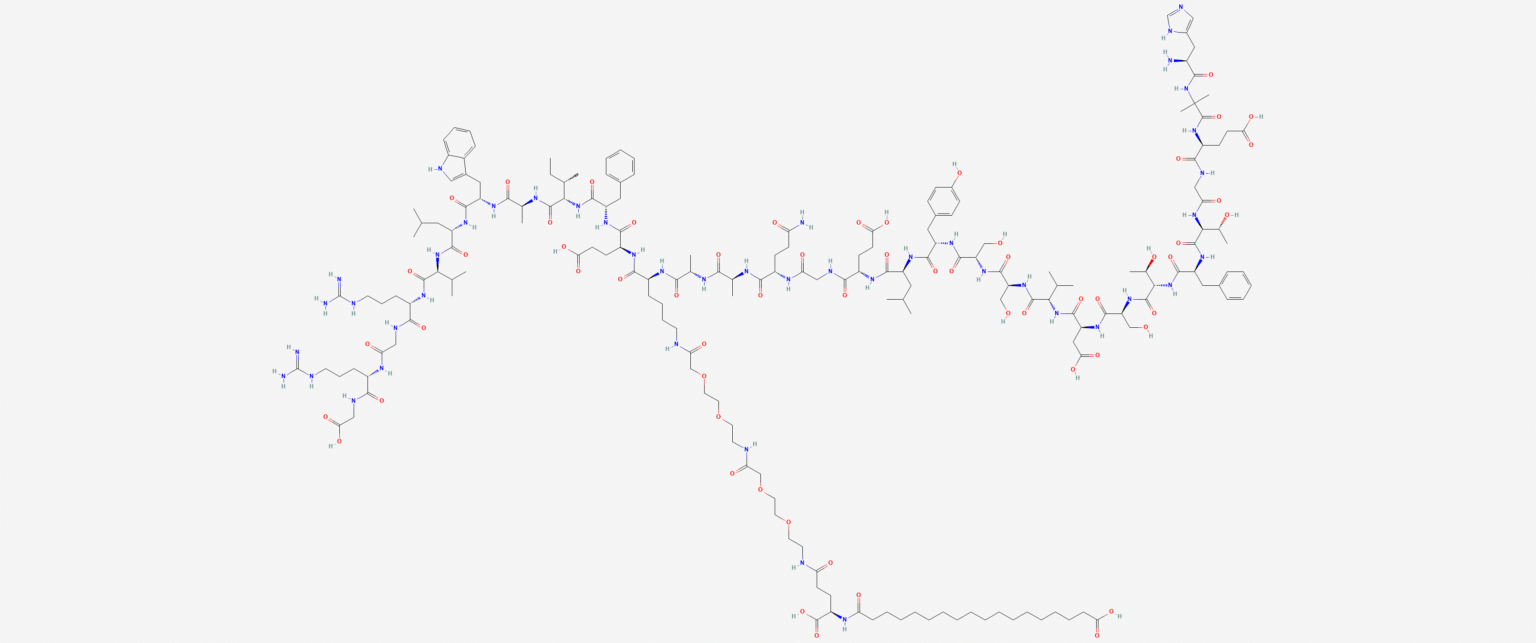
Sequence: HXEGTFTSDVSSYLEGQAAK-OH.steric diacid-EFIAWLVRGRG
Molecular Formula: C187H291N45O59
Molecular Weight: 4113.64 g/mol
PubChem CID: 56843331
CAS Number: 910463-68-2
Synonyms: Semaglutide, Oxempic, Rybelsus, NN9535
incretin effect.
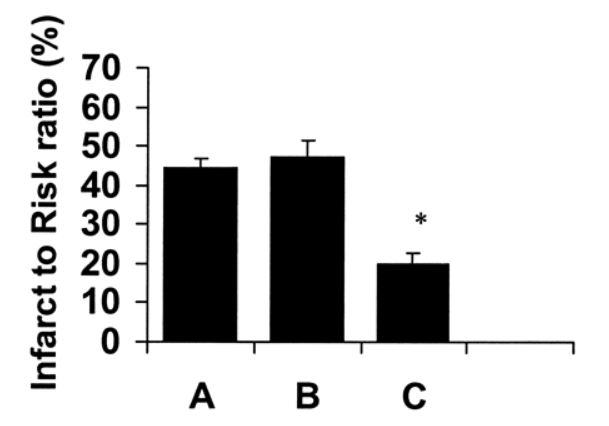
A GLP-1 receptor has been identified on pancreatic beta cells, indicating that GLP-1 directly triggers the release of insulin from the pancreas. When combined with sulfonylurea drugs, GLP-1 can enhance insulin secretion, leading to mild hypoglycemia in up to 40% of individuals. Increased insulin secretion has various positive effects, including promoting protein synthesis, reducing protein breakdown, and enhancing amino acid uptake by skeletal muscles.
GLP-1 and Beta Cell Protection Research conducted in animal models suggests that GLP-1 can stimulate the growth and proliferation of pancreatic beta cells. It may also encourage the differentiation of new beta cells from progenitor cells in the pancreatic duct epithelium. Additionally, GLP-1 has been shown to inhibit beta cell apoptosis. Cumulatively, these effects shift the balance of beta cell growth and death toward growth, suggesting that GLP-1 may have potential therapeutic value in treating diabetes and protecting the pancreas from damage that could harm beta cells.
GLP-1 and Appetite Studies conducted in mouse models indicate that administering GLP-1, along with its counterpart GLP-1, directly into the brains of mice can reduce the urge to eat and suppress food intake. It appears that GLP-1 may enhance feelings of fullness, indirectly reducing hunger. Recent clinical studies in mice have shown that twice-daily administration of GLP-1 receptor agonists leads to gradual and consistent weight loss. Over time, this weight loss is associated with significant improvements in cardiovascular risk factors and a reduction in hemoglobin A1C levels, which is a marker for diabetes severity and blood sugar control.
GLP-1 is associated with minimal to moderate side effects, excellent subcutaneous bioavailability in mice, and low oral bioavailability. It's important to note that dosage per kilogram in mice does not directly correlate to human dosages. GLP-1 is available for research purposes only and should not be consumed by humans without the appropriate research licensing.
Article Author:
The above literature was researched, edited and organized by Dr. Logan, M.D. Dr. Logan holds a doctorate degree from https://case.edu/medicine/Case Western Reserve University School of Medicine and a B.S. in molecular biology.
Case Western Reserve University School of Medicine
ALL ARTICLES AND PRODUCT INFORMATION PROVIDED ON THIS WEBSITE ARE FOR INFORMATIONAL AND EDUCATIONAL PURPOSES ONLY.
The product information featured on this website pertains exclusively to in-vitro studies. In-vitro studies, also known as 'in glass' studies, are conducted outside of living organisms. It's important to emphasize that these products do not constitute medicines or drugs and have not received FDA approval for the prevention, treatment, or cure of any medical conditions, ailments, or diseases. It is crucial to note that the introduction of these products into the bodies of humans or animals is strictly prohibited by law.
THIS PRODUCT IS INTENDED AS A RESEARCH CHEMICAL ONLY. This designation allows the use of research chemicals strictly for in vitro testing and laboratory experimentation only. All product information available on this website is for educational purposes only. Bodily introduction of any kind into humans or animals is strictly forbidden by law. This product should only be handled by licensed, qualified professionals. This product is not a drug, food, or cosmetic and may not be misbranded, misused or mislabled as a drug, food or cosmetic.