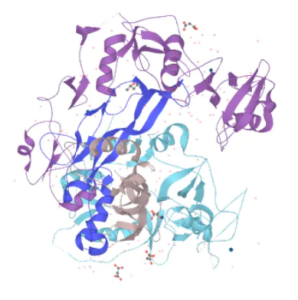
Follistatin-315
Follistatin-315 is the predominant circulating isoform of the follistatin glycoprotein family. By binding activin and myostatin it supports muscle hypertrophy, tempers inflammatory cascades, and has been investigated for fertility, fibrotic disorders, and tissue regeneration. All experimental use should remain within licensed research settings.
PEPTIDES LIST
- Adipotide (FTPP)
- AICAR
- AOD9604
- ARA-290
- B7-33
- BPC-157
- Bronchogen
- Cagrisema
- Cagrilintides
- Cardiogen
- Cartalax
- Cerebrolysin (215mg/ml, 10ml)
- Chonluten
- CJC-1295 DAC
- Cortagen
- DSIP
- Epithalon (Epitalon)
- Follistatin-315
- Follistatin-344
- FOXO4-DRI
- GHK-Cu (Copper Peptide)
- GHK Basic
- GHRP-2
- GHRP-6
- GHRH (GH-Releasing Hormone)
- Glutathione
- Gonadorelin (GnRH)
- GLP2 & GLP3
- hGH Fragment 176-191
- Hexarelin
- Humanin
- Ipamorelin
- Kisspeptin-10
- KPV (ACTH (11-13) alpha-MSH)
- Liraglutide (GLP-1 Analogue)
- Livagen
- LL-37 (CAP-18)
- Melanotan 2 (Melanotan II)
- Mezdutide
- MGF (C-terminal)
- ModGRF 1-29 (CJC-1295 No DAC)
- MK-677 (Ibutamoren)
- MOTS-c
- N-Acetyl Epithalon Amidate
- N-Acetyl Selank Amidate
- N-Acetyl Semax Amidate
- NAD+
- Ovagen
- Oxytocin+
- Pancragen
- PE-22-28
- PEG-MGF (Pegylated MGF)
- Pinealon
- PNC-27
- Prostamax
- PT-141 (Bremelanotide)
- P21 (P021)
- Retatrutide
- Snap8
- Tesa_Ipa_Blend
- Triblend
- Selank
- Semaglutide (GLP-1 Analogue)
- Semax
- Sermorelin
- SS-31
- Survodutide
- TB-500
- Tesamorelin
- Testagen
- Thymagen
- Thyrotropin-TRH
- Tirzepatide
- Triptorelin
- Vesugenas
- Vesilute
- Vilon
- VIP (Vasoactive Intestinal Peptide)
- GLP2
- GLP3
- Klow
- Klow8
- SLU-PP-332
- BAM-15
- Orforglipron
- Noopept
- 9-Me-BC
- Methylene Blue
- Lemon Bottle

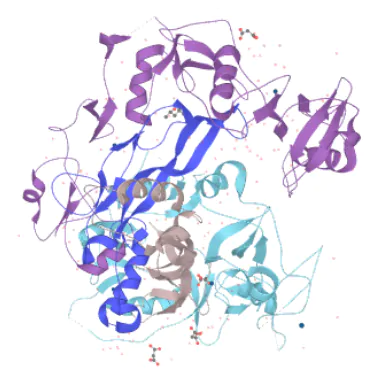
First isolated from ovarian follicular fluid as a follicle-stimulating hormone inhibitor, follistatin exists as several isoforms (315, 300, 288 amino acids) distributed across distinct tissues. Follistatin-315 predominates in plasma, where it neutralizes activin A and other TGF-β family ligands. Investigational applications should be guided by qualified professionals and local regulations.
Follistatin-315 is described as a naturally occurring protein (one of the follistatin forms found in the body). It’s discussed for its role in regulating cell growth and supporting muscle development, embryo growth, and fertility.
Deeper Research Notes (Summary):
• Follistatin-315 is described as binding to activin and myostatin, which is discussed for promoting muscle growth (via myostatin blockade) and influencing cell-growth regulation (via activin inhibition), supporting the body’s growth and tissue repair processes.
• It’s also described as countering Activin A (noted in the same context of growth and regulation pathways).
• A related variant, Follistatin-344, is described as having additional binding regions, and is noted as providing broader biological benefits across tissues.
| Protocol Item | Guidance |
|---|---|
| Dose | 100–300 mcg per dose |
| Cycling | 8 weeks on, 4–8 weeks off |
| Administration Note | Some references theorize that localized administration (e.g., near the target muscle) may be a best approach. |
Caution & Contraindications:
Caution:
• Individuals with diabetes are noted as having a greater risk of developing side effects associated with follistatin
• High levels of follistatin have been associated with heart failure, mortality, and kidney disease
Contraindications: None listed at the moment due to limited research.
Reconstitution Options (Vial Format):
• 1 mg
Reconstitution (General Handling):
• Use sterile technique and sanitize the vial stopper before access.
• Add bacteriostatic water slowly along the vial wall to minimize foaming.
• Gently swirl/roll until fully dissolved (avoid vigorous shaking).
• Store according to the product label/spec sheet and protect from light as applicable.
Sequence: GNCWLRQAKN GRCQVLYKTEL SKEECCSTGR LSTSWTEEDV NDNTLFKWMIF NGGAPNCIPCK ETCENVDCGP GKKCRMNKKN KPRCVCAPDCS NITWKG PVCGLDGKTYR NECALLKARCK EQPELEVQYQG RCKKTCRDVFC PGSSTCVVDQT NNAYCVTCNRI CPEPASSEQYL CGNDGVTYSSA CHLRKATCLLG RSIGLAYEGKC IKAKSCEDIQC TGGKKCLWDFK VGRGRCSLCDE LCPDSKSDEP VCASDNATYA SECAMKEAACS SGVLLEVKHS GSCNSISEDTE EEEDE DQDYSFPISSILEW
Molecular Weight: ~35 kDa (mature protein)
PubChem CID: 178101631 (full-length follistatin)
Synonyms: Activin-binding protein, FSH-suppressing protein, FST-315
Follistatin gained prominence after “mighty mice” experiments demonstrated dramatic increases in muscle mass. Combined strategies—myostatin gene silencing plus elevated follistatin expression—suggest both direct myostatin antagonism and additional muscle growth pathways. These findings drive ongoing investigation into sarcopenia, cachexia, and sports-performance contexts.
Animal models of rheumatoid arthritis show that follistatin supplementation counteracts activin A overexpression, improving joint pathology. In airway inflammation research, intranasal follistatin prevented remodeling characteristic of asthma and may extend to sarcoidosis, idiopathic pulmonary fibrosis, and post-transplant fibrosis. Additional work indicates protection against radiation-induced fibrosis via reductions in TGF-β and smooth muscle actin expression.
Follistatin enhances endothelial cell function during ischemia, improving revascularization after injury. Rodent studies report reduced cell death, oxidative damage, and fibrosis in kidney disease models, hinting at renal-protective applications that may slow progression toward dialysis.
Circulating follistatin levels rise with cardiovascular disease progression, suggesting potential as a surveillance biomarker for early intervention. Synthetic modifications of the protein are under evaluation to balance therapeutic potency with stability and delivery challenges—serving as a blueprint for engineering next-generation biologics.
Because performance-enhancement contexts raise legal and ethical questions, professional guidance is essential before exploring translational work.
Follistatin-315 acts as a broad-spectrum antagonist of activin and myostatin, contributing to muscle anabolism, anti-fibrotic pathways, vascular repair, and immune modulation. Reported side effects are moderate; murine data show low oral and excellent subcutaneous bioavailability. Dosing in animal models does not extrapolate to humans. Follistatin for sale is limited to licensed researchers conducting in-vitro or laboratory investigations.
Article Author :
The above literature was researched, edited and organized by Dr. Logan, M.D. Dr. Logan holds a doctorate degree from https://case.edu/medicine/Case Western Reserve University School of Medicine and a B.S. in molecular biology.
Case Western Reserve University School of Medicine
ALL ARTICLES AND PRODUCT INFORMATION PROVIDED ON THIS WEBSITE ARE FOR INFORMATIONAL AND EDUCATIONAL PURPOSES ONLY.
The product information featured on this website pertains exclusively to in-vitro studies. In-vitro studies, also known as ‘in glass’ studies, are conducted outside of living organisms. It’s important to emphasize that these products do not constitute medicines or drugs and have not received FDA approval for the prevention, treatment, or cure of any medical conditions, ailments, or diseases. It is crucial to note that the introduction of these products into the bodies of humans or animals is strictly prohibited by law.
THIS PRODUCT IS INTENDED AS A RESEARCH CHEMICAL ONLY. This designation allows the use of research chemicals strictly for in vitro testing and laboratory experimentation only. All product information available on this website is for educational purposes only. Bodily introduction of any kind into humans or animals is strictly forbidden by law. This product should only be handled by licensed, qualified professionals. This product is not a drug, food, or cosmetic and may not be misbranded, misused or mislabled as a drug, food or cosmetic.