Vesugen
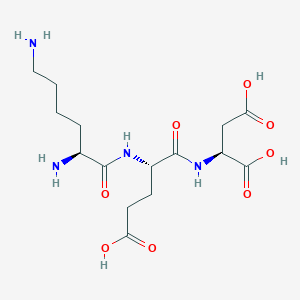
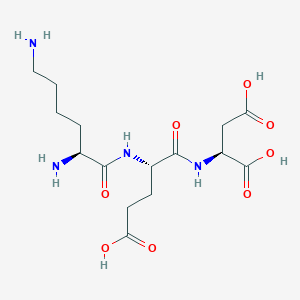
Vesugen, composed of the tripeptide Lys-Glu-Asp, primarily targets the vascular system, exerting significant effects throughout the body due to the systemic importance of the vascular system in various metabolic processes. Research indicates that Vesugen can enhance the survival of neurons in the central nervous system, reduce the occurrence of atherosclerosis and restenosis to safeguard blood vessels, and promote cell survival and tissue health throughout the body. Additionally, there is evidence suggesting that Vesugen may play a role in regulating addictive and reward-related behaviors. Notably, Vesugen is considered an anti-aging peptide, in part because it mimics some of the effects associated with calorie restriction, a well-known approach to promoting longevity.
PEPTIDES LIST
- Adipotide (FTPP)
- AICAR
- AOD9604
- ARA-290
- B7-33
- BPC-157
- Bronchogen
- Cagrisema
- Cagrilintides
- Cardiogen
- Cartalax
- Cerebrolysin (215mg/ml, 10ml)
- Chonluten
- CJC-1295 DAC
- Cortagen
- DSIP
- Epithalon (Epitalon)
- Follistatin-315
- Follistatin-344
- FOXO4-DRI
- GHK-Cu (Copper Peptide)
- GHK Basic
- GHRP-2
- GHRP-6
- GHRH (GH-Releasing Hormone)
- Glutathione
- Gonadorelin (GnRH)
- GLP2 & GLP3
- hGH Fragment 176-191
- Hexarelin
- Humanin
- Ipamorelin
- Kisspeptin-10
- KPV (ACTH (11-13) alpha-MSH)
- Liraglutide (GLP-1 Analogue)
- Livagen
- LL-37 (CAP-18)
- Melanotan 2 (Melanotan II)
- Mezdutide
- MGF (C-terminal)
- ModGRF 1-29 (CJC-1295 No DAC)
- MK-677 (Ibutamoren)
- MOTS-c
- N-Acetyl Epithalon Amidate
- N-Acetyl Selank Amidate
- N-Acetyl Semax Amidate
- NAD+
- Ovagen
- Oxytocin+
- Pancragen
- PE-22-28
- PEG-MGF (Pegylated MGF)
- Pinealon
- PNC-27
- Prostamax
- PT-141 (Bremelanotide)
- P21 (P021)
- Retatrutide
- Snap8
- Tesa_Ipa_Blend
- Triblend
- Selank
- Semaglutide (GLP-1 Analogue)
- Semax
- Sermorelin
- SS-31
- Survodutide
- TB-500
- Tesamorelin
- Testagen
- Thymagen
- Thyrotropin-TRH
- Tirzepatide
- Triptorelin
- Vesugenas
- Vesilute
- Vilon
- VIP (Vasoactive Intestinal Peptide)
- GLP2
- GLP3
- Klow
- Klow8
- SLU-PP-332
- BAM-15
- Orforglipron
- Noopept
- 9-Me-BC
- Methylene Blue
- Lemon Bottle

Vesugen targets the vascular system, reducing atherosclerosis and enhancing the survival of neurons in the central nervous system. It mimics calorie restriction effects, promoting longevity.
Vesugen is described as a vascular-support bioregulator that may support blood vessel health and is also discussed in the context of neuronal protection and cognitive function. (Educational context only.)
Dosing & Cycling (As Listed): The source describes a per-dose range and emphasizes that bioregulators are typically cycled as periodic doses rather than taken continuously.
| Protocol Item | Guidance |
|---|---|
| Dose | 1–5 mg per dose |
| Cycling Style | Bioregulators are typically cycled as periodic doses (not continuous daily consumption) |
| Loading Phase (Year 1) | Month 1: Daily Months 2–3: Daily for 10–20 days at the start of each month Months 4–12: Off |
| Maintenance Phase (Year 2+) | 10–20 day cycles, repeated 3× per year (spread out evenly) |
Caution & Contraindications:
Caution:
• May cause headaches, nausea, and/or stomach discomfort
• Use caution in individuals taking medication for cardiovascular and/or metabolic conditions
• Use caution in individuals with existing or a history of autoimmune or other immune-related conditions
Contraindications:
• Generally well tolerated based on current research
Reconstitution Options (Vial Format):
• 20 mg
Reconstitution (General Handling):
• Use sterile technique and sanitize the vial stopper before access.
• Add diluent slowly along the vial wall to minimize foaming.
• Gently swirl/roll until fully dissolved (avoid vigorous shaking).
• Store according to the product label/spec sheet and protect from light as applicable.
Sequence: Lys-Glu-Asp (KED)
Molecular Formula: C15H26N4O8
Molecular Weight: 390.39 g/mol
PubChem CID: 87571363
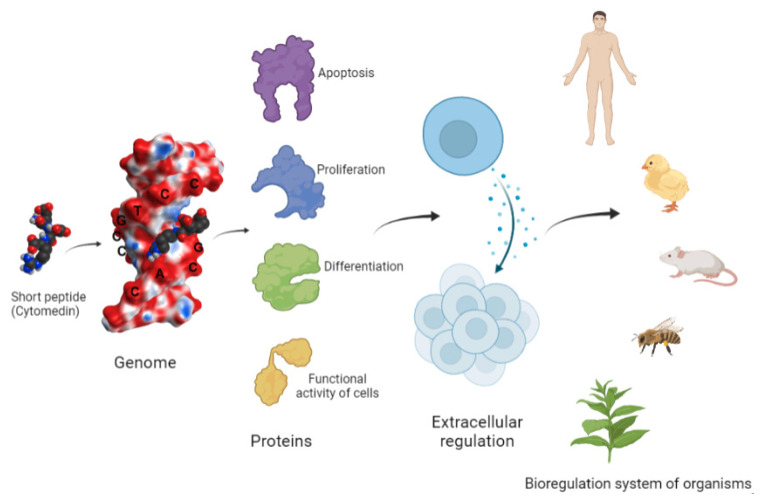
Vesugen, a neuroprotective peptide, shows promise in the field of Alzheimer’s disease and central nervous system (CNS) function. Here are some key points about Vesugen: Memory Improvement: Vesugen has demonstrated the ability to improve memory in elderly individuals with CNS functional disorders. This suggests its potential as a treatment for Alzheimer’s disease, a condition characterized by memory impairment. Restoration of Synaptic Plasticity: The peptide has been shown to restore synaptic plasticity, which is essential for neurons to establish and strengthen connections. This property is crucial for overall brain function and cognitive health. Gene Regulation: Vesugen appears to regulate the expression of specific genes related to apoptosis (cell death) and neuron differentiation. Some of these genes are implicated in Alzheimer’s disease pathogenesis, making Vesugen a potential candidate for therapeutic intervention. Hypoxia Protection: Vesugen, along with other peptides like Epitalon, Pinealon, and Violon, has been found to mitigate the effects of hypoxia (oxygen deprivation) in the CNS. It accomplishes this by increasing the levels of anti-oxidative enzymes, which counteract neurotoxic reactive oxygen species generated during periods of oxygen deficiency.
Potential in Neonatal Hypoxia: Vesugen’s ability to protect against hypoxia could have applications in various scenarios, including stroke, heart attacks, and neonatal hypoxia during childbirth. By reducing the damaging effects of oxygen deprivation, Vesugen may help preserve CNS function in these situations.
Research into Vesugen and its potential applications in neuroprotection, memory enhancement, and gene regulation is ongoing. While it holds promise, further studies and clinical trials are needed to fully understand its mechanisms of action and its effectiveness in treating conditions like Alzheimer’s disease and hypoxia-related disorders.
Vesugen, a tripeptide with neuroprotective and anti-aging properties, holds significant promise in various areas of health and longevity. Here are some key points about Vesugen and its potential benefits: Neuroprotection: Vesugen has demonstrated the ability to protect the central nervous system, including improving memory and restoring synaptic plasticity. These properties make it a potential candidate for the treatment of conditions like Alzheimer’s disease and CNS functional disorders.
Vascular Health: Vesugen plays a crucial role in maintaining vascular health. It helps prevent the development of atherosclerosis, which can lead to the narrowing of blood vessels. By normalizing endothelin-1 expression and increasing sirtuin 1 expression, Vesugen promotes healthy blood circulation, ensuring the supply of nutrients and removal of waste products to support neuronal health. Gene Regulation: Vesugen appears to regulate the expression of genes involved in apoptosis, neuron differentiation, and other critical processes. Its impact on gene expression may contribute to its neuroprotective and anti-aging effects. Metabolic Benefits: Vesugen activates sirtuin 1, a protein associated with insulin sensitivity and metabolic regulation. This activation can enhance insulin sensitivity and help mitigate insulin resistance caused by factors like a high-fat diet.
Addiction and CNS Regulation: Vesugen’s effects on sirtuin 1 extend to the regulation of dopaminergic neurons, which are essential for motivation, reward, and habit formation. This property may have implications for the treatment of addiction and various neurological disorders. Aging and Longevity: Vesugen’s activation of sirtuin 1 is comparable to the effects of calorie restriction, a known strategy for extending lifespan. By slowing down cellular aging processes, Vesugen has the potential to promote longevity and improve overall tissue and cell health. Geroprotective Effects: Research suggests that Vesugen exhibits significant geroprotective effects, particularly when administered to individuals with polymorbidity and organic brain syndrome. It slows the rate of aging, improves central nervous system activity, and positively impacts biological age indicators.
In summary, Vesugen’s multifaceted properties make it a promising peptide for addressing various aspects of health, including neuroprotection, vascular health, metabolic regulation, addiction management, and overall longevity. While more research is needed to fully understand its mechanisms of action and clinical applications, Vesugen offers exciting possibilities for improving both cognitive and physical well-being.
Article Author :
The above literature was researched, edited and organized by Dr. Logan, M.D. Dr. Logan holds a doctorate degree from https://case.edu/medicine/Case Western Reserve University School of Medicine and a B.S. in molecular biology.
Case Western Reserve University School of Medicine
ALL ARTICLES AND PRODUCT INFORMATION PROVIDED ON THIS WEBSITE ARE FOR INFORMATIONAL AND EDUCATIONAL PURPOSES ONLY.
The product information featured on this website pertains exclusively to in-vitro studies. In-vitro studies, also known as ‘in glass’ studies, are conducted outside of living organisms. It’s important to emphasize that these products do not constitute medicines or drugs and have not received FDA approval for the prevention, treatment, or cure of any medical conditions, ailments, or diseases. It is crucial to note that the introduction of these products into the bodies of humans or animals is strictly prohibited by law.
THIS PRODUCT IS INTENDED AS A RESEARCH CHEMICAL ONLY. This designation allows the use of research chemicals strictly for in vitro testing and laboratory experimentation only. All product information available on this website is for educational purposes only. Bodily introduction of any kind into humans or animals is strictly forbidden by law. This product should only be handled by licensed, qualified professionals. This product is not a drug, food, or cosmetic and may not be misbranded, misused or mislabled as a drug, food or cosmetic.