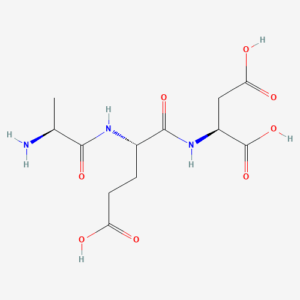
Cartalax
Cartalax is a short bioregulatory peptide that exerts systemic effects by modulating fibroblast activity. Research highlights its potential to rejuvenate aging tissues, improve extracellular matrix maintenance, and support organs such as the skin, kidneys, and connective structures.
PEPTIDES LIST
- Adipotide (FTPP)
- AICAR
- AOD9604
- ARA-290
- B7-33
- BPC-157
- Bronchogen
- Cagrisema
- Cagrilintides
- Cardiogen
- Cartalax
- Cerebrolysin (215mg/ml, 10ml)
- Chonluten
- CJC-1295 DAC
- Cortagen
- DSIP
- Epithalon (Epitalon)
- Follistatin-315
- Follistatin-344
- FOXO4-DRI
- GHK-Cu (Copper Peptide)
- GHK Basic
- GHRP-2
- GHRP-6
- GHRH (GH-Releasing Hormone)
- Glutathione
- Gonadorelin (GnRH)
- GLP2 & GLP3
- hGH Fragment 176-191
- Hexarelin
- Humanin
- Ipamorelin
- Kisspeptin-10
- KPV (ACTH (11-13) alpha-MSH)
- Liraglutide (GLP-1 Analogue)
- Livagen
- LL-37 (CAP-18)
- Melanotan 2 (Melanotan II)
- Mezdutide
- MGF (C-terminal)
- ModGRF 1-29 (CJC-1295 No DAC)
- MK-677 (Ibutamoren)
- MOTS-c
- N-Acetyl Epithalon Amidate
- N-Acetyl Selank Amidate
- N-Acetyl Semax Amidate
- NAD+
- Ovagen
- Oxytocin+
- Pancragen
- PE-22-28
- PEG-MGF (Pegylated MGF)
- Pinealon
- PNC-27
- Prostamax
- PT-141 (Bremelanotide)
- P21 (P021)
- Retatrutide
- Snap8
- Tesa_Ipa_Blend
- Triblend
- Selank
- Semaglutide (GLP-1 Analogue)
- Semax
- Sermorelin
- SS-31
- Survodutide
- TB-500
- Tesamorelin
- Testagen
- Thymagen
- Thyrotropin-TRH
- Tirzepatide
- Triptorelin
- Vesugenas
- Vesilute
- Vilon
- VIP (Vasoactive Intestinal Peptide)
- GLP2
- GLP3
- Klow
- Klow8
- SLU-PP-332
- BAM-15
- Orforglipron
- Noopept
- 9-Me-BC
- Methylene Blue
- Lemon Bottle

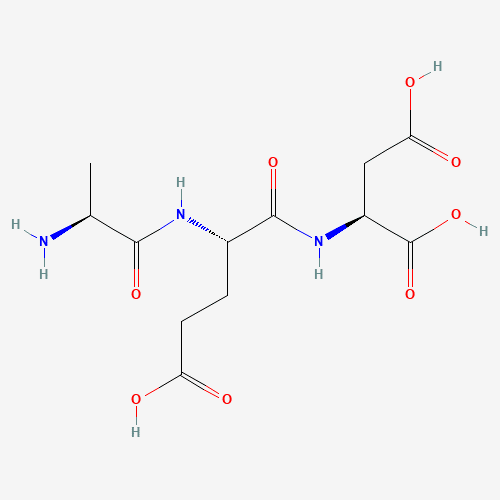
Cartalax (Ala-Glu-Asp) influences fibroblast proliferation, cytokine expression, and apoptotic signaling. Through these pathways it can enhance cellular vitality, reduce senescence markers, and extend tissue health—attributes that have earned it attention as a geroprotective peptide.
Cartalax is described as a peptide and bio-regulator that primarily impacts fibroblasts, which produce structural components in tissues such as skin, cartilage, and blood vessels. It’s also described as positively influencing gene expression related to aging, supporting overall cell health and function.
Deeper Research Notes (Summary):
• Reported to increase Ki-67 (associated with cell growth), decrease p53 signaling (associated with cell death), and activate NF-κB signaling (a pathway involved in inflammation and cell survival).
• Discussed for supporting tissue regeneration, skin elasticity, and extracellular matrix remodeling in aging skin by inhibiting MMP-9 and enhancing expression of growth-promoting factors.
• Described as a longevity-support agent via influence on genes such as IGF1 and SIRT-6, potentially supporting cellular health and tissue longevity.
| Protocol Item | Guidance |
|---|---|
| Dose | 1–5 mg per dose |
| Cycling Style | Bio-regulators are typically cycled as periodic doses rather than continuous daily consumption. |
| Phase | Schedule |
|---|---|
| Loading Phase (Year 1) | Month 1: DailyMonths 2–3: Daily for 10–20 days at the start of each monthMonths 4–12: Off |
| Maintenance Phase (Year 2+) | 3× per year, spread out evenly |
Caution & Contraindications:
Caution: Individuals with immune system or connective tissue conditions.
Contraindications: Individuals with severe kidney impairment, active infections, and/or autoimmune disorders.
Reconstitution Options (Vial Format):
• 20 mg
Reconstitution (General Handling):
• Use sterile technique and sanitize the vial stopper before access.
• Add bacteriostatic water slowly along the vial wall to minimize foaming.
• Gently swirl/roll until fully dissolved (avoid vigorous shaking).
• Choose a diluent volume that makes a 1–5 mg dose easy to measure accurately.
• Store according to the product label/spec sheet and protect from light as applicable.
Amino Acid Sequence: Ala-Glu-Asp (AED)
Molecular Formula: C12H19N3O8
Molecular Weight: 333.29 g/mol
PubChem CID: 87815447
Synonyms: T-31, AED, SCHEMBL5324601, Alanyl-glutamyl-aspartic acid
Dermatology research shows Cartalax can boost fibroblast proliferation, support extracellular matrix remodeling, and reduce apoptosis. It down-regulates MMP-9 while elevating Ki-67 and CD98hc, markers that typically decline with age, pointing to its role in rejuvenating skin tissues.
Polyfunctional peptides such as Cartalax demonstrate antioxidant and immunoprotective properties, offering broad support for connective tissues and microcirculatory health.
While direct studies on cartilage are limited, Cartalax’s ability to regulate fibroblast signaling suggests value for cartilage maintenance. Because fibroblasts orchestrate extracellular matrix turnover in joints, modulating their behavior may help preserve cartilage integrity and joint function.
Early investigations using polypeptide isolates from calf kidneys revealed increased cell renewal in aging rat kidneys. Follow-up studies identified Cartalax within these isolates and showed that it elevates proliferation markers while reducing pro-apoptotic proteins (p16, p21, p53) and boosting SIRT-6, a key regulator of cellular longevity.
Cartalax has been linked to favorable modulation of genes such as IGF1, FOXO1, TERT, TNKS2, and NF-kB. By shifting these pathways, the peptide may reset senescent cells toward a more youthful profile and slow tissue aging.
From skin vitality to renal support, Cartalax demonstrates broad systemic influence through fibroblast regulation. Its capacity to enhance proliferation, temper apoptosis, and reshape signaling cascades underpins its reputation as a promising anti-aging peptide.
Article Author :
The above literature was researched, edited and organized by Dr. Logan, M.D. Dr. Logan holds a doctorate degree from https://case.edu/medicine/Case Western Reserve University School of Medicine and a B.S. in molecular biology.
Case Western Reserve University School of Medicine
ALL ARTICLES AND PRODUCT INFORMATION PROVIDED ON THIS WEBSITE ARE FOR INFORMATIONAL AND EDUCATIONAL PURPOSES ONLY.
The product information featured on this website pertains exclusively to in-vitro studies. In-vitro studies, also known as ‘in glass’ studies, are conducted outside of living organisms. It’s important to emphasize that these products do not constitute medicines or drugs and have not received FDA approval for the prevention, treatment, or cure of any medical conditions, ailments, or diseases. It is crucial to note that the introduction of these products into the bodies of humans or animals is strictly prohibited by law.
THIS PRODUCT IS INTENDED AS A RESEARCH CHEMICAL ONLY. This designation allows the use of research chemicals strictly for in vitro testing and laboratory experimentation only. All product information available on this website is for educational purposes only. Bodily introduction of any kind into humans or animals is strictly forbidden by law. This product should only be handled by licensed, qualified professionals. This product is not a drug, food, or cosmetic and may not be misbranded, misused or mislabled as a drug, food or cosmetic.