Glutathione
Accurate, science-based information about glutathione (GSH), its biosynthesis, cellular roles, and related amino compounds used in redox and performance research.

Glutathione (GSH) is a tripeptide made from glutamate, cysteine, and glycine. It is the most abundant intracellular thiol and a central antioxidant/redox buffer that helps maintain cellular redox homeostasis and protects against oxidative stress.
Biosynthesis
GSH is synthesized in two ATP-dependent steps:
- Step 1 (rate-limiting): Glutamate + cysteine → γ-glutamylcysteine (enzyme: glutamate-cysteine ligase, GCL)
- Step 2: γ-glutamylcysteine + glycine → glutathione (enzyme: glutathione synthetase, GS)
Because Step 1 depends on cysteine availability, cysteine is typically the limiting substrate. This is why precursors like N-acetyl-cysteine (NAC) can raise intracellular GSH.
Key Cellular Functions
- Peroxide reduction: GSH donates electrons to reduce peroxides via glutathione peroxidases (GPx), forming GSSG (oxidized GSH).
- Recycling: GSSG is recycled back to GSH by glutathione reductase using NADPH (the GSH/GSSG cycle).
- Detoxification: GSH conjugates electrophiles/xenobiotics via glutathione-S-transferases (GSTs).
- Redox signaling: Maintains enzyme/protein function by preserving thiol states; supports cellular defenses and recovery.
How to Support Glutathione Status (Research Context)
- Adequate amino acid intake (glutamate, cysteine, glycine) to support endogenous synthesis.
- N-acetyl-cysteine (NAC) as a cysteine donor and well-studied GSH precursor; widely used clinically (e.g., acetaminophen toxicity protocols).
- Direct glutathione (oral/liposomal): Human studies show increases in blood/cellular GSH in some trials; effects vary with dose, duration, and formulation.
Measurement & Biomarkers
Common readouts include total/reduced GSH, GSSG, the GSH:GSSG ratio, and oxidative stress markers (e.g., 8-isoprostane).
Recommended Dosage: 1–3ml, up to 3 times per week
The following is a general research framework to evaluate redox balance and performance physiology in in-vitro or simulated models. Tailor all parameters to your lab’s SOPs and approvals.
- Timing: If modeling acute stress/exertion, administer test compounds ~30–60 minutes before stress induction to assess nitric-oxide dynamics, mitochondrial function, and antioxidant responses.
- Endpoints: Track NO metabolites, GSH/GSSG, oxidative markers (e.g., MDA, 8-isoprostane), and mitochondrial respiration indices to map recovery and redox adaptation.
- Compliance: Follow institutional safety and research governance for handling, exposure ranges, and analytics.
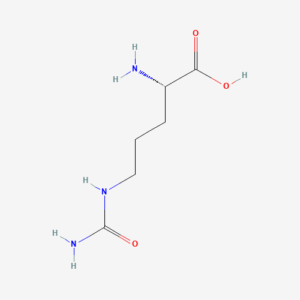
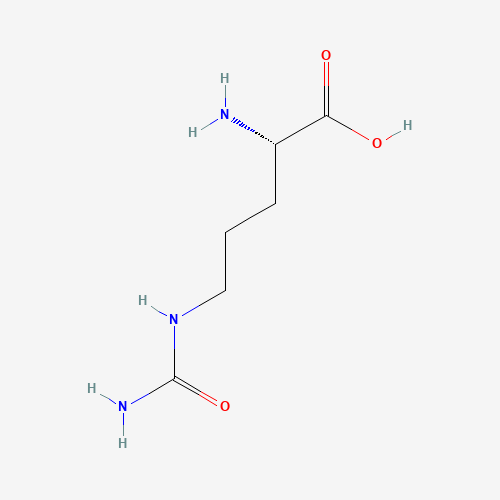
Citrulline
Supports nitric oxide (NO) pathway via arginine recycling; often paired with L-arginine in vascular/endurance models.
Molecular Formula: C6H13N3O3
Molecular Weight: 175.19 g/mol
PubChem CID: 9750
L-Glutamine
Key amino acid for immune and gut integrity; commonly studied for post-stress recovery.
Sequence (1-letter): Q
Molecular Formula: C5H10N2O3
Molecular Weight: 146.14 g/mol
PubChem CID: 5961
L-Lysine
Supports collagen formation and tissue repair.
Sequence (1-letter): K
Molecular Formula: C6H14N2O2
Molecular Weight: 146.19 g/mol
PubChem CID: 5962
L-Carnitine
Transports long-chain fatty acids into mitochondria for β-oxidation; studied in fatigue and energy metabolism.
Molecular Formula: C7H15NO3
Molecular Weight: 161.20 g/mol
PubChem CID: 10917
L-Arginine
Precursor for nitric oxide synthesis; supports blood flow and vascular tone.
Sequence (1-letter): R
Molecular Formula: C6H14N4O2
Molecular Weight: 174.20 g/mol
PubChem CID: 6322
L-Proline
Integral for collagen formation and extracellular matrix structure.
Sequence (1-letter): P
Molecular Formula: C5H9NO2
Molecular Weight: 115.13 g/mol
PubChem CID: 145742
L-Taurine
Osmoprotective and antioxidant roles in muscle/heart models; not a protein-encoded amino acid (no 1-letter code).
Molecular Formula: C2H7NO3S
Molecular Weight: 125.15 g/mol
PubChem CID: 1123
N-Acetyl-Cysteine (NAC)
Well-studied glutathione precursor that donates cysteine (rate-limiting for GSH synthesis). Examined for effects on redox balance and recovery.
Sequence (1-letter): C (for cysteine; NAC itself is not used in proteins)
Molecular Formula: C5H9NO3S
Molecular Weight: 163.20 g/mol
PubChem CID: 12035
- Hayes JD, Dinkova-Kostova AT. The Nrf2 regulatory network provides an interface between redox and intermediary metabolism. Trends Biochem Sci. 2014.
- Lu SC. Regulation of glutathione synthesis. Mol Aspects Med. 2009.
- Richie JP Jr, et al. Randomized trial of oral glutathione supplementation elevating body stores of GSH. Eur J Nutr. 2015.
- Aldini G, et al. N-acetylcysteine as an antioxidant and disulphide-breaking agent. Free Radic Res. 2018.
- Allen J, Bradley RD. Effects of oral glutathione on oxidative stress biomarkers. Nutrients. 2011.
Article Author :
The literature was researched, edited, and organized for educational purposes. All information pertains to in-vitro/analytical research contexts.
ALL ARTICLES AND PRODUCT INFORMATION PROVIDED ON THIS WEBSITE ARE FOR INFORMATIONAL AND EDUCATIONAL PURPOSES ONLY.
The product information featured on this website pertains exclusively to in-vitro studies. In-vitro studies, also known as ‘in glass’ studies, are conducted outside of living organisms. These products are not medicines or drugs and have not received FDA approval to diagnose, prevent, treat, or cure any disease. Introduction of these products into the bodies of humans or animals is strictly prohibited by law.
THIS PRODUCT IS INTENDED AS A RESEARCH CHEMICAL ONLY. This designation allows the use of research chemicals strictly for in vitro testing and laboratory experimentation only. All product information available on this website is for educational purposes only. Bodily introduction of any kind into humans or animals is strictly forbidden by law. This product should only be handled by licensed, qualified professionals. This product is not a drug, food, or cosmetic and may not be misbranded, misused or mislabled as a drug, food or cosmetic.