Hercules
Hercules is a performance-oriented amino complex developed for research on muscular endurance, recovery, and oxidative balance. Featuring nitric oxide precursors, structural amino acids, and antioxidant molecules, it serves as a model for studying exercise physiology, muscle repair, and cellular defense mechanisms.

Hercules includes L-Arginine, L-Citrulline, L-Glutamine, L-Taurine, L-Lysine, L-Proline, L-Carnitine, and N-Acetyl-Cysteine (NAC). This formula is designed for research exploring vascular performance, collagen synthesis, and antioxidant protection in conditions of physical stress. The synergy between Arginine and Citrulline promotes nitric oxide production, while NAC contributes to maintaining glutathione levels — a key marker of oxidative resilience.
- L-Arginine + L-Citrulline: Act together to enhance nitric oxide output, supporting endurance and circulation.
- L-Glutamine: Fuels muscle tissue, aids immunity, and supports gut recovery under stress.
- L-Lysine + L-Proline: Integral for collagen formation and tissue repair.
- L-Taurine: Provides antioxidant and osmoprotective effects in muscle cells.
- L-Carnitine: Assists in fatty acid transport into mitochondria for sustained energy.
- N-Acetyl-Cysteine (NAC): Precursor to glutathione, vital in oxidative stress modulation and liver detoxification.
Recommended Dosage: 1ml, 3–5 times per week
Usage: Pre-workout
Additional Benefits: May enhance endurance, muscle performance, and recovery
FOR RESEARCH USE ONLY. Hercules is provided solely for in vitro and analytical research investigating muscular endurance, oxidative stress response, and cellular recovery mechanisms. The following protocol is intended for controlled experimental environments focusing on vascular performance, amino acid metabolism, and mitochondrial energy systems. This product is not intended for human or animal use.
Suggested Experimental Range: In performance-based laboratory models, a research equivalent of 1.0 mL administered prior to simulated physical exertionis commonly used, three to five times per week. This exposure range allows researchers to observe acute and cumulative effects on nitric oxide output, oxygen delivery, and muscular recovery markers.
Timing: Administration approximately 30–60 minutes prior to exercise simulation or stress induction enables researchers to evaluate pre-activation of nitric oxide pathways, mitochondrial beta-oxidation, and antioxidant enzyme dynamics. This timeframe is optimal for assessing vasodilation, endurance performance, and biochemical adaptation within oxidative models.
Observations: Experimental models often report measurable increases incirculatory efficiency, nitric oxide concentration, and oxidative balancefollowing exposure. Transient sensations such as warmth, vascular expansion, or muscle tightness may be observed and are typically associated with arginine–citrulline synergy and osmotic amino acid loading. These phenomena provide valuable insights intovascular coupling, antioxidant mobilization, and post-stress recovery.
Additional Research Benefits: Hercules’ combination of structural amino acids (L-Lysine, L-Proline) and antioxidants (N-Acetyl-Cysteine, L-Taurine)allows for exploration of collagen synthesis, tissue regeneration, glutathione restoration, and redox homeostasis. Studies may include tracking biomarkers such as malondialdehyde (MDA), nitric oxide metabolites, glutathione ratios, andmitochondrial respiration indices to assess performance and recovery outcomes.
All experiments should be conducted under appropriate laboratory conditions, following institutional safety standards and research compliance guidelines. Data collection should emphasize time-course response, oxidative adaptation, and amino acid turnover kinetics for a comprehensive understanding of Hercules’ performance-based biochemical profile.
Synergistically enhance nitric oxide (NO) production, promoting vascular dilation and endurance.
Structure
Molecular Formula: C6H13N3O3
Molecular Weight: 175.19 g/mol
PubChem CID: 9750
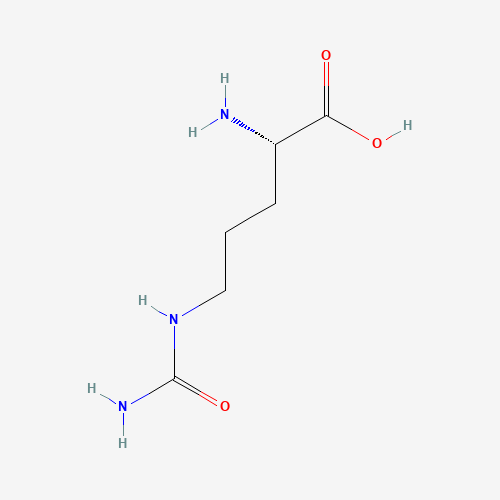
Key amino acid for immune and gut recovery post-exercise.
Structure
Sequence: Q
Molecular Formula: C5H10N2O3
Molecular Weight: 146.14 g/mol
PubChem CID: 5961
Contributes to collagen formation and immune defense.
Structure
Molecular Formula: C6H14N2O2
Molecular Weight: 146.19 g/mol
PubChem CID: 5962
Facilitates the transport of long-chain fatty acids into mitochondria for β-oxidation.
Structure
Molecular Formula: C7H15NO3
Molecular Weight: 161.20 g/mol
PubChem CID: 10917
Precursor for nitric oxide synthesis; supports blood flow and vascular tone.
Structure
Sequence: R
Molecular Formula: C6H14N4O2
Molecular Weight: 174.20 g/mol
PubChem CID: 6322
Precursor for nitric oxide synthesis; supports blood flow and vascular tone.
Structure
Sequence: R
Molecular Formula: C6H14N4O2
Molecular Weight: 174.20 g/mol
PubChem CID: 6322
Integral for collagen formation and tissue repair.
Structure
Sequence: P
Molecular Formula: C5H9NO2
Molecular Weight: 115.13 g/mol
PubChem CID: 145742
Contributes to cellular osmoregulation and muscle protection.
Structure
Molecular Formula: C2H7NO3S / NH2CH2CH2SO3H
Molecular Weight: 125.15 g/mol
PubChem CID: 1123
Precursor to glutathione, vital in oxidative stress modulation and liver detoxification.
Structure
Sequence: C
Molecular Formula: C5H9NO3S
Molecular Weight: 163.20 g/mol
PubChem CID: 12035
Hercules is a performance-focused amino acid research complex designed to model mechanisms of muscular endurance, recovery, and oxidative balance under conditions of physical stress. Integrating nitric oxide precursors, structural amino acids, and antioxidant molecules, Hercules provides a multi-pathway platform for studying vascular performance, mitochondrial metabolism, and cellular protection within exercise physiology and biochemical stress models.
L-Arginine and L-Citrulline are synergistic amino acids central to nitric oxide (NO) production. Citrulline acts as a precursor that sustains Arginine availability, enhancing endothelial nitric oxide synthase (eNOS) activity and promotingvasodilation, oxygen transport, and muscular endurance [1,2]. This Arginine–Citrulline synergy is widely studied in research exploring vascular efficiency, cardiovascular health, and exercise performance under both aerobic and anaerobic conditions.
L-Glutamine functions as a critical substrate for energy metabolism and immune support. It replenishes muscle glycogen stores, reduces catabolic stress, and supports gut barrier integrity during prolonged exertion [3,4]. Its role in maintaining nitrogen balance and promoting cellular repair makes it a cornerstone compound in post-exercise recovery studies.L-Taurine, another key component, exhibits antioxidant, osmoprotective, and mitochondrial stabilizing properties, mitigating oxidative damage induced by exercise and enhancing endurance performance [5,6].
The inclusion of L-Lysine and L-Proline provides a structural framework for examining collagen synthesis, muscle tissue repair, and extracellular matrix regeneration. These amino acids are vital to connective tissue resilience and wound healing models, often studied in tandem with oxidative and inflammatory biomarkers[7,8].L-Carnitine supports mitochondrial β-oxidation by facilitating the transport of long-chain fatty acids into the mitochondria, where they are converted into usable energy[9]. Its metabolic role positions it as a key component in studies of muscular fatigue, performance enhancement, and lipid-based energy metabolism.
N-Acetyl-Cysteine (NAC) is included as a potent antioxidant precursor to glutathione—one of the body’s most critical intracellular defense molecules against oxidative stress [10,11]. NAC supplementation has been shown to reduce muscle fatigue, modulate inflammatory responses, and enhance recovery by maintaining redox balance and improving mitochondrial respiration efficiency [12].
Together, these compounds form a synergistic system that allows for comprehensive study ofnitric oxide regulation, oxidative resilience, collagen synthesis, and muscular recovery. Hercules represents a multidimensional research model suitable for exploring the biochemical relationships between vascular flow, antioxidant adaptation, and performance physiology.
References
L-Citrulline supplementation enhances exercise performance through increased nitric oxide bioavailability.
The pharmacodynamics of L-arginine: Effects on endothelial function and nitric oxide synthesis.
Why is L-glutamine metabolism important to cells of the immune system in health, post-injury, surgery or infection?
Glutamine: Metabolism and immune function, supplementation and clinical translation.
Physiological roles of taurine in heart and muscle.
Taurine: The appeal of a safe amino acid for skeletal muscle disorders.
The role of lysine and proline in collagen biosynthesis and structure.
The collagen family.
New insights concerning the role of carnitine in the regulation of fuel metabolism in skeletal muscle.
N-acetylcysteine as an antioxidant and disulphide breaking agent: The reasons why.
N-acetylcysteine improves vascular function and reduces oxidative stress in exercise models.
N-acetylcysteine enhances muscle cysteine and glutathione availability and attenuates fatigue during prolonged exercise in humans.
Article Author :
The above literature was researched, edited and organized by Dr. Logan, M.D. Dr. Logan holds a doctorate degree from https://case.edu/medicine/Case Western Reserve University School of Medicine and a B.S. in molecular biology.
Case Western Reserve University School of Medicine
ALL ARTICLES AND PRODUCT INFORMATION PROVIDED ON THIS WEBSITE ARE FOR INFORMATIONAL AND EDUCATIONAL PURPOSES ONLY.
The product information featured on this website pertains exclusively to in-vitro studies. In-vitro studies, also known as ‘in glass’ studies, are conducted outside of living organisms. It’s important to emphasize that these products do not constitute medicines or drugs and have not received FDA approval for the prevention, treatment, or cure of any medical conditions, ailments, or diseases. It is crucial to note that the introduction of these products into the bodies of humans or animals is strictly prohibited by law.
THIS PRODUCT IS INTENDED AS A RESEARCH CHEMICAL ONLY. This designation allows the use of research chemicals strictly for in vitro testing and laboratory experimentation only. All product information available on this website is for educational purposes only. Bodily introduction of any kind into humans or animals is strictly forbidden by law. This product should only be handled by licensed, qualified professionals. This product is not a drug, food, or cosmetic and may not be misbranded, misused or mislabled as a drug, food or cosmetic.