MIC B12
MIC B12 is a lipotropic amino formulation that supports research into fat metabolism, methylation, and energy regulation. Combining essential methyl donors with vitamin cofactors, it plays a significant role in studies of liver health, neurological function, and metabolic balance.

MIC B12 blends Methionine, Inositol, Choline, and Vitamin B12 (Methylcobalamin) — collectively known for their lipotropic and methylation-supportive effects. In experimental research, this formulation is studied for its potential to enhance lipid transport from the liver, support methyl cycle reactions, and assist in red blood cell synthesis. MICB12’s components are frequently examined for their combined impact on fat metabolism, homocysteine regulation, and neurological energy pathways.
- Methionine: Sulfur-containing amino acid and precursor to S-adenosylmethionine (SAMe); crucial for methylation and detoxification.
- Inositol: Involved in lipid signaling and studied for roles in mood regulation and metabolic health.
- Choline: Supports hepatic lipid transport, acetylcholine synthesis, and cognitive function.
- Vitamin B12 (Methylcobalamin): Coenzyme in DNA synthesis, methylation, and red blood cell formation.
- Methionine: Sulfur-containing amino acid and precursor to S-adenosylmethionine (SAMe); crucial for methylation and detoxification.
- Inositol: Involved in lipid signaling and studied for roles in mood regulation and metabolic health.
- Choline: Supports hepatic lipid transport, acetylcholine synthesis, and cognitive function.
- Vitamin B12 (Methylcobalamin): Coenzyme in DNA synthesis, methylation, and red blood cell formation.
Recommended Dosage: 1ml, up to 3 times per week
FOR RESEARCH USE ONLY. MIC B12 is supplied exclusively for in vitro investigation and analytical studies involving lipotropic, methylation, and energy-regulating pathways. The following protocol is intended for controlled laboratory applications exploring its biochemical influence on hepatic metabolism, methyl cycle activity, and cellular energy balance.
Suggested Experimental Range: Typical laboratory studies employ a dosing equivalent of 1.0 mL up to three times per week. This frequency allows researchers to model the compound’s cumulative effects on methyl donor availability, lipid transport, and enzymatic cofactor cycling under repeat-exposure conditions.
Timing: Intervals of 48–72 hours between exposures are commonly used to assess recovery dynamics in hepatic and neurological assays. This spacing helps characterize the persistence of methylation activity, B-vitamin turnover, and red blood cell synthesis across consecutive study phases.
Observations: Experimental models have occasionally noted transient sensations of warmth or flushing, potentially reflecting amino-mediated vasodilatory effects or increased thermogenic activity. These observations can aid in mapping autonomic and metabolic responses associated with enhanced lipotropic signaling.
Researchers should document metabolic markers such as SAMe synthesis rates, homocysteine levels, and mitochondrial redox parameters across exposure periods. Comparative data collection at multiple concentration ranges is recommended for evaluating dose-dependent effects. All experiments should follow institutional safety standards and comply with applicable laboratory and regulatory protocols.
Sulfur-containing amino acid and precursor to S-adenosylmethionine (SAMe); crucial for methylation and detoxification.
Structure
Sequence:M
Molecular Formula: C5H11NO2
Molecular Weight: 149.21 g/mol
PubChem CID: 6137
Involved in lipid signaling and studied for roles in mood regulation and metabolic health.
Structure
Molecular Formula: C6H12O6
Molecular Weight: 180.16 g/mol
PubChem CID: 892
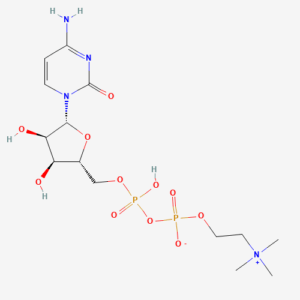
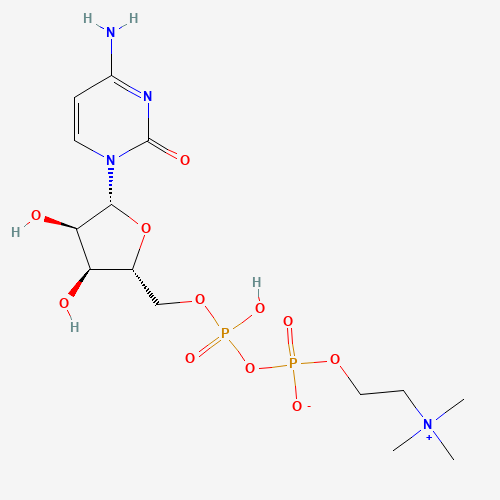
Involved in acetylcholine synthesis and brain membrane repair.
Structure
Molecular Formula: C14H26N4O11P2
Molecular Weight: 488.32 g/mol
PubChem CID: 13804
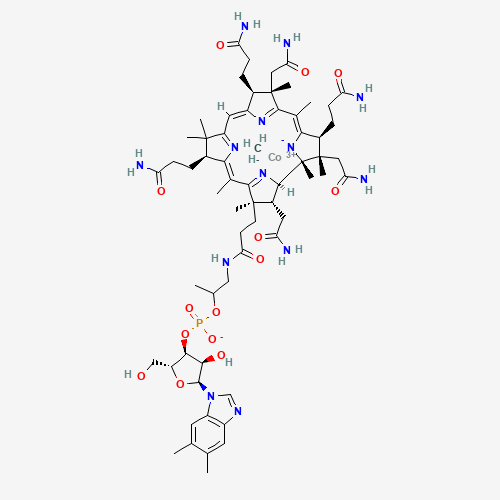
Coenzyme in DNA synthesis, methylation, and red blood cell formation.
Structure
Molecular Formula: C63H91CoN13O14P
Molecular Weight: 1344.4 g/mol
PubChem CID: 10898559
MIC B12 is a composite research formulation composed of Methionine, Inositol, Choline, andVitamin B12 (Methylcobalamin)—each contributing to essential pathways of methylation, lipid metabolism, and energy regulation. In experimental biochemistry, this complex is frequently examined for its synergistic support of hepatic lipid transport, methyl group donation, and neurological function.
Methionine serves as a key sulfur-containing amino acid and precursor toS-adenosylmethionine (SAMe), a universal methyl donor involved in DNA methylation, neurotransmitter regulation, and detoxification processes [1,2].Inositol participates in phospholipid signaling and has been studied in models of mood regulation, insulin sensitivity, and hepatic fat metabolism [3,4]. Choline supports acetylcholine synthesis, hepatic fat export, and neurocognitive maintenance through its conversion to betaine and subsequent contribution to methylation cycles [5,6]. Vitamin B12 (Methylcobalamin) acts as a coenzyme in methionine synthase activity and red blood cell formation, with research highlighting its role in maintaining mitochondrial function and neuroprotection [7,8].
Together, these components make MIC B12 an important tool in laboratory studies investigating lipotropic action, methylation biochemistry, and metabolic regulation. Research has shown that combined Methionine–Inositol–Choline supplementation enhances hepatic lipid clearance and reduces steatosis markers in experimental models [9], while concurrent Vitamin B12 supports mitochondrial ATP production and methyl cycle efficiency [10].
Experimental investigations often measure downstream biomarkers such ashomocysteine concentration, SAMe/SAH ratios, and hepatic enzyme activity to evaluate the compound’s functional role in methylation balance and detoxification. These findings have made MIC B12 valuable in both biochemical modeling and metabolic regulation studies aimed at understanding lipid turnover, oxidative balance, and neurological energy support.
References
S-adenosylmethionine metabolism and liver disease.
Glutathione synthesis.
Inositol metabolism in health and disease: Developing new strategies for therapeutic intervention.
Inositol safety: Clinical evidence.
Choline: An essential nutrient for public health.
Choline deficiency causes reversible hepatic abnormalities in humans.
Vitamin B12, neurotrophic activity and neurological function.
Vitamin B12 in health and disease.
Choline and methionine deficiency modulate hepatic lipid metabolism and inflammation in mice.
The role of vitamin B12 and folate in human metabolism: A review.
Article Author :
The above literature was researched, edited and organized by Dr. Logan, M.D. Dr. Logan holds a doctorate degree from https://case.edu/medicine/Case Western Reserve University School of Medicine and a B.S. in molecular biology.
Case Western Reserve University School of Medicine
ALL ARTICLES AND PRODUCT INFORMATION PROVIDED ON THIS WEBSITE ARE FOR INFORMATIONAL AND EDUCATIONAL PURPOSES ONLY.
The product information featured on this website pertains exclusively to in-vitro studies. In-vitro studies, also known as ‘in glass’ studies, are conducted outside of living organisms. It’s important to emphasize that these products do not constitute medicines or drugs and have not received FDA approval for the prevention, treatment, or cure of any medical conditions, ailments, or diseases. It is crucial to note that the introduction of these products into the bodies of humans or animals is strictly prohibited by law.
THIS PRODUCT IS INTENDED AS A RESEARCH CHEMICAL ONLY. This designation allows the use of research chemicals strictly for in vitro testing and laboratory experimentation only. All product information available on this website is for educational purposes only. Bodily introduction of any kind into humans or animals is strictly forbidden by law. This product should only be handled by licensed, qualified professionals. This product is not a drug, food, or cosmetic and may not be misbranded, misused or mislabled as a drug, food or cosmetic.