Pancragen (Bioregulator)
Pancragen, a naturally-occurring tetrapeptide bioregulator, primarily targets the pancreas with a range of beneficial effects. Studies on Pancragen have demonstrated its ability to effectively manage blood sugar levels, enhance pancreatic endocrine function, modulate melatonin production, and mitigate the occurrence and severity of metabolic syndrome. This peptide has garnered considerable attention in research for its potential in addressing both diabetes and age-related metabolic changes. In essence, Pancragen can be considered a peptide with anti-aging properties specifically tailored for the pancreas.
PEPTIDES LIST
- Adipotide (FTPP)
- AICAR
- AOD9604
- ARA-290
- B7-33
- BPC-157
- Bronchogen
- Cagrisema
- Cagrilintides
- Cardiogen
- Cartalax
- Cerebrolysin (215mg/ml, 10ml)
- Chonluten
- CJC-1295 DAC
- Cortagen
- DSIP
- Epithalon (Epitalon)
- Follistatin-315
- Follistatin-344
- FOXO4-DRI
- GHK-Cu (Copper Peptide)
- GHK Basic
- GHRP-2
- GHRP-6
- GHRH (GH-Releasing Hormone)
- Glutathione
- Gonadorelin (GnRH)
- GLP2 & GLP3
- hGH Fragment 176-191
- Hexarelin
- Humanin
- Ipamorelin
- Kisspeptin-10
- KPV (ACTH (11-13) alpha-MSH)
- Liraglutide (GLP-1 Analogue)
- Livagen
- LL-37 (CAP-18)
- Melanotan 2 (Melanotan II)
- Mezdutide
- MGF (C-terminal)
- ModGRF 1-29 (CJC-1295 No DAC)
- MK-677 (Ibutamoren)
- MOTS-c
- N-Acetyl Epithalon Amidate
- N-Acetyl Selank Amidate
- N-Acetyl Semax Amidate
- NAD+
- Ovagen
- Oxytocin+
- Pancragen
- PE-22-28
- PEG-MGF (Pegylated MGF)
- Pinealon
- PNC-27
- Prostamax
- PT-141 (Bremelanotide)
- P21 (P021)
- Retatrutide
- Snap8
- Tesa_Ipa_Blend
- Triblend
- Selank
- Semaglutide (GLP-1 Analogue)
- Semax
- Sermorelin
- SS-31
- Survodutide
- TB-500
- Tesamorelin
- Testagen
- Thymagen
- Thyrotropin-TRH
- Tirzepatide
- Triptorelin
- Vesugenas
- Vesilute
- Vilon
- VIP (Vasoactive Intestinal Peptide)
- GLP2
- GLP3
- Klow
- Klow8
- SLU-PP-332
- BAM-15
- Orforglipron
- Noopept
- 9-Me-BC
- Methylene Blue
- Lemon Bottle

Pancragen is a naturally occurring tetrapeptide bioregulator that primarily targets the pancreas. Research on Pancragen has demonstrated its potential to effectively regulate blood sugar levels, enhance the endocrine function of the pancreas, control melatonin expression, and mitigate the occurrence and severity of metabolic syndrome. This peptide has garnered attention and is being explored for its potential in managing both diabetes and the age-related metabolic effects. In essence, Pancragen can be considered as an anti-aging peptide for the pancreas.
Pancreagen is described as a 4–amino-acid peptide bioregulator that primarily supports the pancreas. It’s discussed for supporting pancreatic function in ways that may influence blood sugar, hormone production, and melatonin regulation, and is often framed in the context of diabetes/metabolic support. (Educational/research context only.)
Deeper Research Notes (Summary):
• Described as supporting growth in pancreatic cells—especially acinar cells (digestion support) and the islets of Langerhans (insulin/glucagon signaling).
• Discussed for supporting capillary/endothelial health by restoring endothelial cell adhesion, potentially improving blood vessel strength.
• Described as normalizing insulin secretion, which may indirectly support restoration of melatonin levels (linked to metabolism and sleep–wake regulation).
• Discussed for lowering blood sugar while normalizing insulin and C-peptide (a marker associated with insulin production).
Dosing & Cycling (As Listed):Note: The source describes bioregulators as typically being used in periodic cycles rather than continuous daily use.
| Protocol Item | Guidance |
|---|---|
| Dose | 1–5 mg per dose |
| Cycling (General) | Typically cycled as periodic doses rather than continuous daily consumption |
| Phase | Timing | Pattern |
|---|---|---|
| Loading Phase | Year 1 | Month 1: Daily Months 2–3: Daily for 10–20 days at the start of each month Months 4–12: Off |
| Maintenance Phase | Year 2+ | 10–20 day cycles, 3× per year, spread out evenly |
Caution & Contraindications:
Caution:
• Use caution in individuals with a history of or active diabetes, pancreatic disorders, hormone imbalances, and/or metabolic disorders
• Use caution in individuals on diabetes medications or other endocrine-related treatments
Contraindications:
• Individuals with severe pancreatic conditions
Reconstitution Options (Vial Format):
• 20 mg
Reconstitution (General Handling):
• Use sterile technique and sanitize the vial stopper before access.
• Add diluent slowly along the vial wall to minimize foaming.
• Gently swirl/roll until fully dissolved (avoid vigorous shaking).
• Store according to the product label/spec sheet and protect from light as applicable.
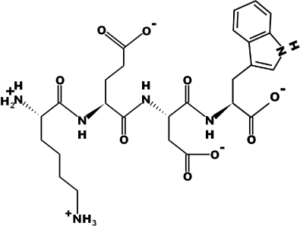
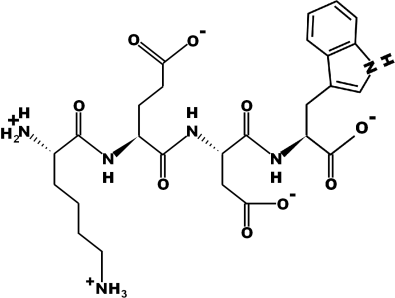
Sequence: Lys-Glu-Asp-Trp (KEDW)
Molecular Formula: C26H36N6O9
Molecular Weight: 576.25 g/mol
PubChem CID: 68452887
Synonyms: SCHEMBL5491754
Cellular Youthfulness: Research on pancreatic cells has unveiled Pancragen's ability to stimulate the expression of various differentiation factors that control the growth of acinar and islet of Langerhans cells, particularly those responsible for insulin and glucagon production. Enhancing growth and differentiation is a hallmark of youthful, healthy tissues. Pancragen's capacity to alter epigenetic DNA regulation stands out as a clear indicator that it can rejuvenate DNA and promote more youthful function.
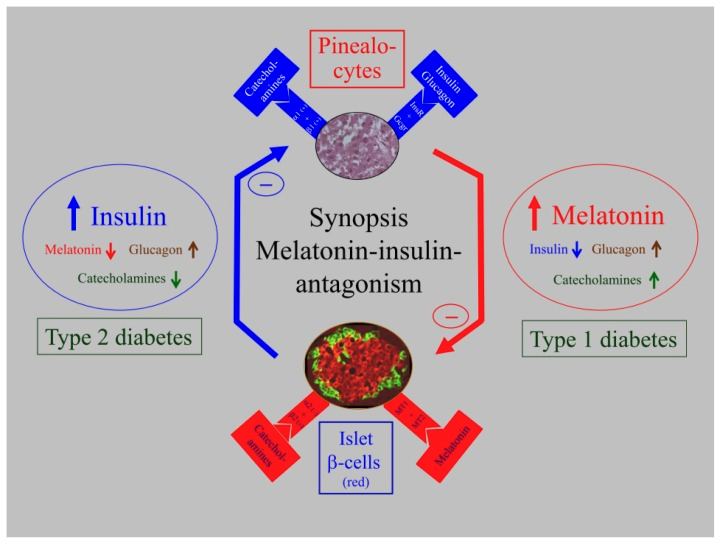
Metabolic Disorders: Evidence supporting Pancragen's status as an anti-aging peptide stems from its impact on metabolic disorders. Research has indicated that metabolic dysregulation in older individuals can be attributed to changes in melatonin secretion during sleep. Pancragen administration helps normalize insulin secretion, which could potentially alleviate metabolic syndrome symptoms by restoring melatonin secretion to normal levels.
Diabetes Management: An evident application of Pancragen lies in the treatment of diabetes, hyperinsulinemia, and elevated blood glucose levels. Research comparing Pancragen to glimepiride in rhesus monkeys has revealed that both compounds can reduce blood sugar levels to normal ranges. However, Pancragen uniquely normalizes insulin and C-peptide levels, suggesting a more physiologically impactful intervention.
Vascular System Protection: Diabetes poses a significant threat to the function of small blood vessels. Research on Pancragen has indicated its ability to normalize the adhesion of mesenteric capillary endothelium. These findings suggest that Pancragen may safeguard the endothelium from some of the detrimental effects of diabetes, potentially mitigating long-term consequences.
The above literature was researched, edited and organized by Dr. Logan, M.D. Dr. Logan holds a doctorate degree from https://case.edu/medicine/Case Western Reserve University School of Medicine and a B.S. in molecular biology.
Case Western Reserve University School of Medicine
ALL ARTICLES AND PRODUCT INFORMATION PROVIDED ON THIS WEBSITE ARE FOR INFORMATIONAL AND EDUCATIONAL PURPOSES ONLY.
The product information featured on this website pertains exclusively to in-vitro studies. In-vitro studies, also known as 'in glass' studies, are conducted outside of living organisms. It's important to emphasize that these products do not constitute medicines or drugs and have not received FDA approval for the prevention, treatment, or cure of any medical conditions, ailments, or diseases. It is crucial to note that the introduction of these products into the bodies of humans or animals is strictly prohibited by law.
THIS PRODUCT IS INTENDED AS A RESEARCH CHEMICAL ONLY. This designation allows the use of research chemicals strictly for in vitro testing and laboratory experimentation only. All product information available on this website is for educational purposes only. Bodily introduction of any kind into humans or animals is strictly forbidden by law. This product should only be handled by licensed, qualified professionals. This product is not a drug, food, or cosmetic and may not be misbranded, misused or mislabled as a drug, food or cosmetic.