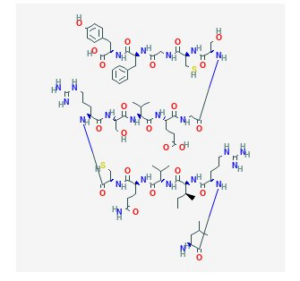
hGH Fragment 176-191
HGH Fragment 176-191 is a synthetic fragment derived from natural human growth hormone (hGH). Commonly known as the “lipolytic fragment,” it is renowned for its capacity to enhance fat reduction. This compound has demonstrated its effectiveness in reducing blood sugar levels and supporting the healing of cartilage. Importantly, it achieves these effects without triggering increased long bone growth, elevated IGF-1 levels, or changes in insulin sensitivity.
PEPTIDES LIST
- Adipotide (FTPP)
- AICAR
- AOD9604
- ARA-290
- B7-33
- BPC-157
- Bronchogen
- Cagrisema
- Cagrilintides
- Cardiogen
- Cartalax
- Cerebrolysin (215mg/ml, 10ml)
- Chonluten
- CJC-1295 DAC
- Cortagen
- DSIP
- Epithalon (Epitalon)
- Follistatin-315
- Follistatin-344
- FOXO4-DRI
- GHK-Cu (Copper Peptide)
- GHK Basic
- GHRP-2
- GHRP-6
- GHRH (GH-Releasing Hormone)
- Glutathione
- Gonadorelin (GnRH)
- GLP2 & GLP3
- hGH Fragment 176-191
- Hexarelin
- Humanin
- Ipamorelin
- Kisspeptin-10
- KPV (ACTH (11-13) alpha-MSH)
- Liraglutide (GLP-1 Analogue)
- Livagen
- LL-37 (CAP-18)
- Melanotan 2 (Melanotan II)
- Mezdutide
- MGF (C-terminal)
- ModGRF 1-29 (CJC-1295 No DAC)
- MK-677 (Ibutamoren)
- MOTS-c
- N-Acetyl Epithalon Amidate
- N-Acetyl Selank Amidate
- N-Acetyl Semax Amidate
- NAD+
- Ovagen
- Oxytocin+
- Pancragen
- PE-22-28
- PEG-MGF (Pegylated MGF)
- Pinealon
- PNC-27
- Prostamax
- PT-141 (Bremelanotide)
- P21 (P021)
- Retatrutide
- Snap8
- Tesa_Ipa_Blend
- Triblend
- Selank
- Semaglutide (GLP-1 Analogue)
- Semax
- Sermorelin
- SS-31
- Survodutide
- TB-500
- Tesamorelin
- Testagen
- Thymagen
- Thyrotropin-TRH
- Tirzepatide
- Triptorelin
- Vesugenas
- Vesilute
- Vilon
- VIP (Vasoactive Intestinal Peptide)
- GLP2
- GLP3
- Klow
- Klow8
- SLU-PP-332
- BAM-15
- Orforglipron
- Noopept
- 9-Me-BC
- Methylene Blue
- Lemon Bottle

Fragment 176-191, a modified version of AOD9604, is a small segment of human growth hormone (hGH) often referred to as the “lipolytic fragment.” Laboratory studies in genetically engineered mice with substantial fat deposits highlight its powerful fat-burning potential. Unlike full-length hGH, this fragment preserves lipolytic benefits while avoiding unwanted effects such as elevated insulin-like growth factor-1 (IGF-1), altered carbohydrate metabolism, changes in insulin sensitivity, or excessive long bone growth. These highly selective actions make fragment 176-191 a valuable research tool for exploring fat metabolism and a potential foundation for future anti-obesity therapeutics.
HGH Fragment 176–191 is a synthetic, 16–amino acid fragment of human growth hormone that is commonly discussed in research-oriented contexts for its role in fat metabolism regulation(lipolysis support and lipogenesis inhibition), with the source noting it was designed to avoid meaningful effects on insulin/blood sugar. Educational context only.
Dosing Schedule (As Listed):
Route & Frequency: Subcutaneous administration, described as 2 injections per day. The source notes timing is often placed before cardio in physique-oriented protocols.
| Timeline | Per-Injection Dose | Frequency | Total Daily Amount (approx.) |
|---|---|---|---|
| Weeks 1–4 | 0.25 mg | 2×/day (SC) | 0.50 mg/day |
| Weeks 5–15 | 0.25–5.0 mg | 2×/day (SC) | 0.50–10.0 mg/day |
Cycling Note (As Stated): The source suggests keeping runs to about 2–3 months to reduce the chance of side effects.
Precision Tip: If you’re measuring smaller volumes, using 30- or 50-unit insulin syringes can improve readability. Common subcutaneous sites include the abdominal region, with rotation to reduce local irritation.
Reconstitution Instructions (General Handling):
• Reconstitute the powder with distilled water (as stated by the source).
• Add diluent slowly along the vial wall to reduce foaming.
• Gently swirl/roll until fully dissolved (avoid shaking).
• Label and store refrigerated after reconstitution.
Important: This guide is for educational purposes only and is not medical advice. For research use only. Not for human consumption.
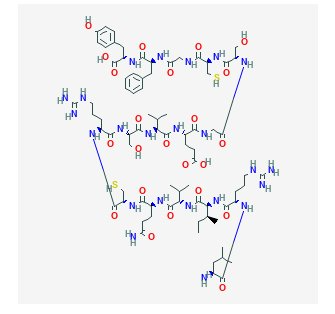
Sequence: Tyr-Leu-Arg-Ile-Val-Gln-Cys-Arg-Ser-Val-Glu-Gly-Ser-Cys-Gly-Phe
Molecular Formula: C78H125N23O23S2
Molecular Weight: 1817.12 g/mol
CAS Number: 66004-57-7
Research in animal models identifies the C-terminal end of hGH as primarily responsible for its hypoglycemic effects. Among multiple synthesized fragments from this region, fragment 176-191 stands out as the most effective at lowering blood sugar by sustaining elevated plasma insulin levels. These findings drive continued interest in evaluating the fragment for potential roles in prediabetes and type 2 diabetes research.
Fragment 176-191 has earned the “lipolytic fragment” title due to robust fat-burning outcomes observed in mice. Evidence points to increased production of beta-3 adrenergic receptors (β3-AR or ADRB3), which directly stimulate lipolysis in adipose tissue and thermogenesis in skeletal muscle. Mice lacking ADRB3 receptors fail to exhibit the lipolytic benefits of hGH or fragment 176-191, underscoring the receptor’s central role.
Studies further reveal a direct relationship between fragment-induced fat burning and total energy expenditure, yielding nearly 50% less weight gain over three weeks in obese animals. Lean mice maintained stable weights, suggesting secondary regulatory pathways moderate lipolysis near ideal body mass. These insights continue to inform investigations into energy homeostasis.
Long-term exogenous hGH usage is commonly associated with insulin resistance, acromegaly, edema, and other adverse effects. Fragment 176-191, however, has been reviewed in rigorous randomized, double-blinded, placebo-controlled clinical models without demonstrating significant changes in critical safety markers relative to placebo. Meta-analyses suggest the fragment may deliver many benefits of hGH without comparable risks, offering a compelling case for ongoing regulatory evaluation.
Importantly, fragment 176-191 was selected specifically to avoid anabolic muscle effects or stimulation of uncontrolled cell proliferation—concerns frequently tied to hGH administration. Animal data corroborate that the fragment maintains a focused lipolytic profile while minimizing systemic side effects, making it attractive for targeted research scenarios.
Investigations primarily center on weight loss and lipid metabolism, where fragment 176-191 continues to shed light on fat regulation and energy balance. Secondary research fields include connective tissue regeneration—particularly cartilage repair—where the fragment’s selective activity provides a controlled environment to study recovery pathways. Collectively, these efforts aim to deepen our understanding of metabolic disorders while refining therapeutic strategies.
The above literature was researched, edited and organized by Dr. Logan, M.D. Dr. Logan holds a doctorate degree from https://case.edu/medicine/Case Western Reserve University School of Medicine and a B.S. in molecular biology.
Case Western Reserve University School of Medicine
ALL ARTICLES AND PRODUCT INFORMATION PROVIDED ON THIS WEBSITE ARE FOR INFORMATIONAL AND EDUCATIONAL PURPOSES ONLY.
The product information featured on this website pertains exclusively to in-vitro studies. In-vitro studies, also known as ‘in glass’ studies, are conducted outside of living organisms. It’s important to emphasize that these products do not constitute medicines or drugs and have not received FDA approval for the prevention, treatment, or cure of any medical conditions, ailments, or diseases. It is crucial to note that the introduction of these products into the bodies of humans or animals is strictly prohibited by law.
THIS PRODUCT IS INTENDED AS A RESEARCH CHEMICAL ONLY. This designation allows the use of research chemicals strictly for in vitro testing and laboratory experimentation only. All product information available on this website is for educational purposes only. Bodily introduction of any kind into humans or animals is strictly forbidden by law. This product should only be handled by licensed, qualified professionals. This product is not a drug, food, or cosmetic and may not be misbranded, misused or mislabled as a drug, food or cosmetic.