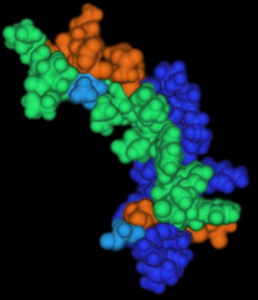
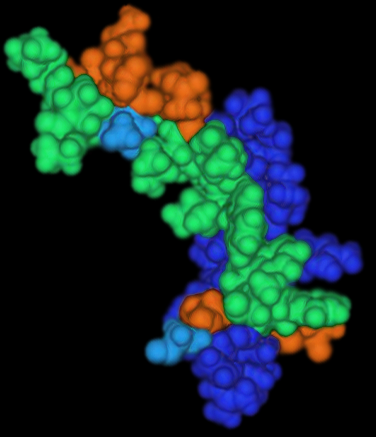
PNC-27
PNC-27 is a synthetic peptide designed for anti-cancer purposes. It functions by binding to HDM-2, thereby inhibiting its interaction with the p53 tumor suppressor protein. Studies have demonstrated that PNC-27 exhibits a selective ability to eliminate cancer cells by inducing membranolysis, which is the process of breaking down the cell membrane, ultimately leading to cell death.
PEPTIDES LIST
- Adipotide (FTPP)
- AICAR
- AOD9604
- ARA-290
- B7-33
- BPC-157
- Bronchogen
- Cagrisema
- Cagrilintides
- Cardiogen
- Cartalax
- Cerebrolysin (215mg/ml, 10ml)
- Chonluten
- CJC-1295 DAC
- Cortagen
- DSIP
- Epithalon (Epitalon)
- Follistatin-315
- Follistatin-344
- FOXO4-DRI
- GHK-Cu (Copper Peptide)
- GHK Basic
- GHRP-2
- GHRP-6
- GHRH (GH-Releasing Hormone)
- Glutathione
- Gonadorelin (GnRH)
- GLP2 & GLP3
- hGH Fragment 176-191
- Hexarelin
- Humanin
- Ipamorelin
- Kisspeptin-10
- KPV (ACTH (11-13) alpha-MSH)
- Liraglutide (GLP-1 Analogue)
- Livagen
- LL-37 (CAP-18)
- Melanotan 2 (Melanotan II)
- Mezdutide
- MGF (C-terminal)
- ModGRF 1-29 (CJC-1295 No DAC)
- MK-677 (Ibutamoren)
- MOTS-c
- N-Acetyl Epithalon Amidate
- N-Acetyl Selank Amidate
- N-Acetyl Semax Amidate
- NAD+
- Ovagen
- Oxytocin+
- Pancragen
- PE-22-28
- PEG-MGF (Pegylated MGF)
- Pinealon
- PNC-27
- Prostamax
- PT-141 (Bremelanotide)
- P21 (P021)
- Retatrutide
- Snap8
- Tesa_Ipa_Blend
- Triblend
- Selank
- Semaglutide (GLP-1 Analogue)
- Semax
- Sermorelin
- SS-31
- Survodutide
- TB-500
- Tesamorelin
- Testagen
- Thymagen
- Thyrotropin-TRH
- Tirzepatide
- Triptorelin
- Vesugenas
- Vesilute
- Vilon
- VIP (Vasoactive Intestinal Peptide)
- GLP2
- GLP3
- Klow
- Klow8
- SLU-PP-332
- BAM-15
- Orforglipron
- Noopept
- 9-Me-BC
- Methylene Blue
- Lemon Bottle

PNC-27 is a synthetically engineered peptide designed with the specific purpose of targeting and eradicating cancer cells. It belongs to the PNC group of investigational proteins, which have been developed to attach themselves to abnormal (cancerous) cells and induce cell death through necrosis, all while sparing normal, healthy cells from harm. The PNC-27 peptide is comprised of an HDM-2 binding domain, corresponding to residues 12-26 of p53, along with a transmembrane-penetrating domain. This unique combination allows the peptide to effectively bind to cancer cells and induce their destruction through membranolysis, which involves the disruption of the cell membrane. Extensive research and studies on animal subjects have demonstrated the remarkable efficacy of PNC-27 in selectively targeting various specific types of cancer, including but not limited to pancreatic cancer, breast cancer, leukemia, melanoma, and several other cancer lines.
PNC-27 is described as a cancer-targeting peptide that binds to cancer-cell membranes (via HDM-2–associated binding) and disrupts the membrane, leading to cancer-cell death. (Educational/research context only — not medical advice.)
Dosing & Cycling (As Listed):Note: The source states there is limited information available on dosing/cycling and that dosing intensity and frequency largely depend on the individual’s goal and response.
| Protocol Item | Guidance |
|---|---|
| Dose | 200–500 mcg per dose |
| Cycling | Daily for 30-day cycles (or shorter), with a 30-day minimum cycle break between |
| Response-Based Adjustment | Dosing intensity/frequency depends on individual goal and response |
Caution & Contraindications:
Caution:
• May cause flu-like symptoms, changes in blood pressure, headache, pain, and inflammation around tumor areas (described as potentially related to immune activation)
• Use caution in individuals with a history of or current cancer or immune system disorders
• Use caution in individuals undergoing additional cancer treatments
Contraindications:
• Unknown at the moment due to limited research
Reconstitution Options (Vial Format):
• 5 mg
Reconstitution (General Handling):
• Use sterile technique and sanitize the vial stopper before access.
• Add diluent slowly along the vial wall to minimize foaming.
• Gently swirl/roll until fully dissolved (avoid vigorous shaking).
• Store according to the product label/spec sheet and protect from light as applicable.
Molecular Formula: C188H293N53O44S
Molecular Weight: 4031.7 g/mol
In animal studies where PNC-27 peptide is administered, several noteworthy observations have been made regarding successful outcomes: Pain Reduction: Researchers have reported a subjective decrease in pain levels in animal subjects, typically occurring within about a week after administration of the peptide. Flu-Like Symptoms: Around the 3-week mark, animal subjects often exhibit flu-like symptoms. This may suggest that the subjects' immune systems are responding to the death of cancer cells. Lactate Dehydrogenase and Bilirubin Levels: At approximately 6 weeks, there tends to be an increase in levels of lactate dehydrogenase and bilirubin. This may indicate substantial tumor breakdown in successful research outcomes. Tumor Changes: Notably, tumors often undergo significant changes around the 10-week mark. They become softer and more pliable. Some increase in the size of the tumor may be observed, primarily due to inflammation resulting from the immune system response. Improved Well-Being: By the end of 3 months, researchers frequently observe increased energy levels and a reduction in cancer-related symptoms in animal study subjects. These findings suggest that PNC-27 peptide administration may lead to positive therapeutic outcomes, including pain relief, immune system activation, and the breakdown of cancerous tumors, ultimately improving the overall well-being of animal subjects in these studies.
PNC-27 exhibits selective cancer cell targeting through its binding to HDM-2. It induces cancer cell death by creating perforations in the cell membrane, leading to cell death due to osmotic pressure disparities. Research shows its effectiveness in various cancer types, including pancreatic cancer, breast cancer, leukemia, and melanoma. In a 2006 study published in the International Journal of Cancer, researchers investigated the effects of PNC-28, a precursor to the PNC-27 peptide, which shares similar structural and functional characteristics. The study focused on its ability to selectively inhibit the growth of pancreatic cancer cells in vivo. In a more recent study conducted in 2014 and published in Annals of Clinical & Laboratory Science, researchers concluded that the anti-cancer peptide, PNC-27, induces necrosis in tumor cells of a poorly differentiated non-solid tissue mammalian leukemia cell line, and this effect depends on the expression of HDM-2 in the plasma membrane of these cells. It's important to note that PNC-27 has exhibited minimal side effects, low oral bioavailability, and excellent subcutaneous bioavailability in mice. However, the dosage in mice does not directly scale to humans. Therefore, PNC-27 is available for sale at Peptide Sciences exclusively for educational and scientific research purposes and is not intended for human consumption. It is only available to licensed researchers.
Article Author:
The above literature was researched, edited and organized by Dr. Logan, M.D. Dr. Logan holds a doctorate degree from https://case.edu/medicine/Case Western Reserve University School of Medicine and a B.S. in molecular biology.
Case Western Reserve University School of Medicine
ALL ARTICLES AND PRODUCT INFORMATION PROVIDED ON THIS WEBSITE ARE FOR INFORMATIONAL AND EDUCATIONAL PURPOSES ONLY.
The product information featured on this website pertains exclusively to in-vitro studies. In-vitro studies, also known as 'in glass' studies, are conducted outside of living organisms. It's important to emphasize that these products do not constitute medicines or drugs and have not received FDA approval for the prevention, treatment, or cure of any medical conditions, ailments, or diseases. It is crucial to note that the introduction of these products into the bodies of humans or animals is strictly prohibited by law.
THIS PRODUCT IS INTENDED AS A RESEARCH CHEMICAL ONLY. This designation allows the use of research chemicals strictly for in vitro testing and laboratory experimentation only. All product information available on this website is for educational purposes only. Bodily introduction of any kind into humans or animals is strictly forbidden by law. This product should only be handled by licensed, qualified professionals. This product is not a drug, food, or cosmetic and may not be misbranded, misused or mislabled as a drug, food or cosmetic.