Peptides for Weight Loss & Fat Burning
Peptides have emerged as a significant factor in the weight loss and fat burning landscape. They work by regulating appetite hormones and enhancing fat oxidation. Semaglutide and AOD9604 are among the most recognized peptides in this area. Understanding their mechanisms and effectiveness raises important questions about their role in weight management. What does the clinical evidence reveal, and how can these peptides be safely integrated into a weight loss regimen?
PEPTIDES LIST
- Adipotide (FTPP)
- AICAR
- AOD9604
- ARA-290
- B7-33
- BPC-157
- Bronchogen
- Cagrisema
- Cagrilintides
- Cardiogen
- Cartalax
- Cerebrolysin (215mg/ml, 10ml)
- Chonluten
- CJC-1295 DAC
- Cortagen
- DSIP
- Epithalon (Epitalon)
- Follistatin-315
- Follistatin-344
- FOXO4-DRI
- GHK-Cu (Copper Peptide)
- GHK Basic
- GHRP-2
- GHRP-6
- GHRH (GH-Releasing Hormone)
- Glutathione
- Gonadorelin (GnRH)
- GLP2 & GLP3
- hGH Fragment 176-191
- Hexarelin
- Humanin
- Ipamorelin
- Kisspeptin-10
- KPV (ACTH (11-13) alpha-MSH)
- Liraglutide (GLP-1 Analogue)
- Livagen
- LL-37 (CAP-18)
- Melanotan 2 (Melanotan II)
- Mezdutide
- MGF (C-terminal)
- ModGRF 1-29 (CJC-1295 No DAC)
- MK-677 (Ibutamoren)
- MOTS-c
- N-Acetyl Epithalon Amidate
- N-Acetyl Selank Amidate
- N-Acetyl Semax Amidate
- NAD+
- Ovagen
- Oxytocin+
- Pancragen
- PE-22-28
- PEG-MGF (Pegylated MGF)
- Pinealon
- PNC-27
- Prostamax
- PT-141 (Bremelanotide)
- P21 (P021)
- Retatrutide
- Snap8
- Tesa_Ipa_Blend
- Triblend
- Selank
- Semaglutide (GLP-1 Analogue)
- Semax
- Sermorelin
- SS-31
- Survodutide
- TB-500
- Tesamorelin
- Testagen
- Thymagen
- Thyrotropin-TRH
- Tirzepatide
- Triptorelin
- Vesugenas
- Vesilute
- Vilon
- VIP (Vasoactive Intestinal Peptide)
- GLP2
- GLP3
- Klow
- Klow8
- SLU-PP-332
- BAM-15
- Orforglipron
- Noopept
- 9-Me-BC
- Methylene Blue
- Lemon Bottle

Peptides have emerged as a significant factor in the weight loss and fat burning landscape. They work by regulating appetite hormones and enhancing fat oxidation. Semaglutide and AOD9604 are among the most recognized peptides in this area. Understanding their mechanisms and effectiveness raises important questions about their role in weight management. What does the clinical evidence reveal, and how can these peptides be safely integrated into a weight loss regimen?
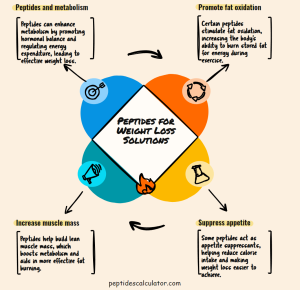
Peptides play a significant role in supporting weight loss mechanisms through various physiological processes. They can promote appetite suppression, enhance fat oxidation, and improve insulin sensitivity, all of which contribute to effective weight management. Understanding these functions is essential for those considering peptide therapies in their weight loss journey.
Numerous studies suggest that appetite suppression plays an essential role in effective weight loss strategies. Peptides such as Semaglutide and AOD9604 have been shown to influence appetite-regulating hormones, contributing to a reduced desire for food intake. These peptides act on the central nervous system, signaling satiety and decreasing hunger signals, which can lead to lower caloric consumption. Additionally, they may enhance feelings of fullness after meals, making it easier for individuals to adhere to calorie-restricted diets. By targeting the mechanisms associated with appetite control, these peptides provide a supportive tool for those seeking to manage their weight effectively. As a result, appetite suppression through peptide therapy can be a vital component of a holistic weight loss approach.
When considering effective weight loss strategies, the role of fat oxidation emerges as an essential factor that peptides can enhance. Peptides such as AOD9604 and Semaglutide have demonstrated the potential to facilitate the body's ability to burn fat more efficiently. By promoting the mobilization of fatty acids from adipose tissue, these peptides contribute to increased fat utilization during physical activities. This enhanced fat oxidation not only supports weight loss but also helps in maintaining lean muscle mass, a crucial component for long-term success. Furthermore, the stimulation of metabolic processes through peptides can lead to an overall improvement in energy expenditure. As a result, incorporating specific fat-burning peptides may greatly aid individuals in their weight loss endeavors.
Insulin sensitivity plays a crucial role in weight management, influencing how effectively the body utilizes glucose and stores fat. Peptides can enhance insulin sensitivity, thereby supporting weight loss mechanisms. By improving how cells respond to insulin, these compounds help regulate blood sugar levels and reduce fat accumulation.
The emotional impact of enhanced insulin sensitivity includes:
Increased Energy: Higher energy levels can invigorate daily activities and workouts.
Reduced Cravings: Better blood sugar control leads to fewer hunger pangs and cravings.
Improved Mood: Stabilized glucose levels can elevate mood and mental clarity.
Enhanced Confidence: Achieving weight loss goals fosters a sense of accomplishment and self-esteem.
The effectiveness of peptides in fat loss has garnered significant attention, particularly with compounds such as AOD9604, hGH Fragment 176-191, Semaglutide, and Tirzepatide. Emerging options like Retatrutide and Survodutide, which act as triple agonists, also offer promising results. Understanding the mechanisms and benefits of these peptides can guide individuals in selecting the most suitable option for their weight loss goals.
AOD9604 has emerged as a promising option for those seeking effective fat loss solutions. This peptide is a modified form of human growth hormone (hGH) that has gained attention for its potential to aid in weight loss by stimulating fat metabolism. Users report various benefits that contribute to its allure:
Enhanced fat oxidation - AOD9604 may help the body burn fat more efficiently, leading to noticeable results.
Reduced appetite - Users often experience decreased cravings, making it easier to stick to caloric restrictions.
Improved energy levels - Many find that they have more energy throughout the day, supporting active lifestyles.
Faster recovery - The peptide may aid in quicker recovery from workouts, enhancing overall fitness.
These factors make AOD9604 an attractive choice for weight loss seekers.
hGH Fragment 176-191 is gaining recognition as one of the most effective peptides for fat loss. This peptide is a modified form of human growth hormone (hGH), specifically designed to target fat reduction without affecting muscle growth. Research indicates that hGH Fragment 176-191 can enhance lipolysis, the process of breaking down fat, while simultaneously inhibiting lipogenesis, the formation of new fat cells. As a result, users may experience a reduction in body fat percentage and improved metabolic efficiency. Additionally, hGH Fragment 176-191 is known for having fewer side effects compared to other growth hormone treatments, making it a more appealing option for those seeking to lose weight. Overall, its targeted approach positions it as a promising tool in weight management strategies.
Semaglutide and Tirzepatide have emerged as leading contenders in the domain of fat loss peptides, specifically classified as GLP-1 receptor agonists. These peptides have demonstrated significant efficacy in promoting weight loss through appetite regulation and enhanced metabolic rates. Users have reported transformative experiences, including:
Sustained Weight Loss: Achieving goals that felt unattainable before.
Improved Energy Levels: Feeling more vibrant and active throughout the day.
Enhanced Mood: A noticeable uplift due to weight loss success.
Simplified Lifestyle Changes: Adopting healthier eating habits with less struggle.
As research continues to reveal their benefits, Semaglutide and Tirzepatide stand out as powerful allies in the journey toward effective fat loss and improved overall health.
As the search for effective weight loss solutions continues, Retatrutide and Survodutide have emerged as promising triple agonists in the domain of fat-burning peptides. These peptides target multiple pathways, including GLP-1, GIP, and glucagon receptors, enhancing metabolic processes and promoting fat loss. Clinical trials indicate substantial weight reduction and improved metabolic health among users, making them valuable tools in obesity management.
Both peptides represent a novel approach in weight management, potentially transforming the landscape of obesity treatment.
While various weight loss strategies exist, clinical evidence increasingly supports the efficacy of peptides in weight management. Research has shown that specific peptides can greatly aid in fat reduction, appetite control, and metabolic enhancement. For instance, studies on AOD9604 and Semaglutide demonstrate their potential in promoting weight loss through hormonal regulation and fat metabolism.
The following points highlight the emotional impact of peptide treatments:
Transformative Results: Many users report substantial changes in body composition, fostering a renewed sense of confidence.
Sustained Motivation: Seeing tangible weight loss results can ignite motivation, encouraging healthier lifestyle choices.
Improved Health: Weight loss through peptides may lead to the reduction of obesity-related health concerns, enhancing overall well-being.
Supportive Community: Individuals utilizing peptides often find camaraderie in shared experiences, further bolstering their weight loss journey.
Understanding the potential benefits of peptides for weight management is only part of the equation; safe usage is vital for achieving desired results. Individuals considering the use of weight loss peptides should consult healthcare professionals to provide tailored guidance. It is essential to follow recommended dosages and administration methods to minimize the risk of adverse effects. Monitoring one’s response to the treatment is important, as not all peptides react the same way in every individual.
Additionally, combining peptide use with a balanced diet and regular exercise can enhance effectiveness and promote overall health. Individuals should be aware of potential side effects, such as gastrointestinal issues or changes in appetite, and report these to a healthcare provider. Finally, sourcing peptides from reputable suppliers guarantees quality and safety, reducing the likelihood of contamination or mislabeling. Safe practices lay the foundation for successful weight management through peptide therapy.
In exploring fat-loss peptides, several frequently asked questions arise regarding their use and effectiveness. Individuals often wonder if GLP-1 peptides necessitate a prescription, the potential benefits of stacking different peptides, and the timeline for visible weight loss results. Addressing these queries can provide clearer insights into the role of peptides in weight management.
Do GLP-1 peptides require a prescription for use in weight loss treatments? Yes, GLP-1 peptides, such as Semaglutide, are classified as prescription medications. This requirement reflects their potency and the need for professional guidance during their use. Patients considering these treatments should be aware of the following:
Medical Supervision: Regular monitoring guarantees safety and effectiveness.
Personalized Dosing: A healthcare provider determines the appropriate dosage tailored to individual needs.
Potential Side Effects: Understanding risks is essential for informed decision-making.
Comprehensive Treatment Plans: Prescription status often accompanies a holistic approach to weight loss, including lifestyle modifications.
Being well-informed can empower individuals on their weight loss journey while safeguarding their health remains a priority.
How can stacking peptides enhance weight loss results? Stacking peptides may optimize weight loss by combining different mechanisms of action. For instance, pairing AOD9604, known for its fat-burning properties, with Semaglutide, which regulates appetite, can provide a multifaceted approach to weight management. This combination may enhance metabolic rates while simultaneously curbing cravings. However, it is important for individuals to consult healthcare professionals before initiating any stacking regimen, as the interactions between peptides can vary. Additionally, careful monitoring of dosages and potential side effects is essential to guarantee safety and effectiveness. Ultimately, while stacking may yield better results for some, personalized approaches remain critical for successful fat loss journeys.
While individual experiences may vary, many users of fat-loss peptides often report noticeable results within a few weeks of starting their regimen. This timeline can depend on factors such as diet, exercise, and individual metabolism. Users may experience:
Increased energy levels, making workouts more effective.
Reduced cravings, helping to maintain a healthier diet.
Visible fat loss, boosting self-esteem and motivation.
Improved muscle definition, enhancing overall body composition.
However, it is essential for individuals to remain patient and consistent, as sustainable weight loss is a gradual process. Consulting with a healthcare professional can also provide guidance tailored to personal health needs, ensuring the best chance of success with fat-loss peptides.
THIS PRODUCT IS INTENDED AS A RESEARCH CHEMICAL ONLY. This designation allows the use of research chemicals strictly for in vitro testing and laboratory experimentation only. All product information available on this website is for educational purposes only. Bodily introduction of any kind into humans or animals is strictly forbidden by law. This product should only be handled by licensed, qualified professionals. This product is not a drug, food, or cosmetic and may not be misbranded, misused or mislabled as a drug, food or cosmetic.