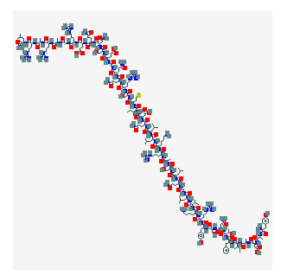
GHRH
Growth Hormone Releasing Peptides (GHRPs) are synthetic peptides that mimic ghrelin to stimulate the release of stored growth hormone (GH) from the pituitary gland, creating a sharp, short-acting GH pulse that can influence metabolism, body composition, recovery, and appetite. Acting through the ghrelin (GHSR) receptor, GHRPs are distinct from Growth Hormone Releasing Hormones (GHRHs), which stimulate both GH production and release via GHRH receptors and typically provide a more sustained, physiological GH signal. In research settings, GHRPs such as ipamorelin are often combined with GHRHs like CJC-1295 without DAC to leverage complementary pathways—amplifying peak GH levels, improving the pattern of secretion, and enhancing potential benefits while maintaining a targeted, mechanistic approach to growth hormone optimization studies.
PEPTIDES LIST
- Adipotide (FTPP)
- AICAR
- AOD9604
- ARA-290
- B7-33
- BPC-157
- Bronchogen
- Cagrisema
- Cagrilintides
- Cardiogen
- Cartalax
- Cerebrolysin (215mg/ml, 10ml)
- Chonluten
- CJC-1295 DAC
- Cortagen
- DSIP
- Epithalon (Epitalon)
- Follistatin-315
- Follistatin-344
- FOXO4-DRI
- GHK-Cu (Copper Peptide)
- GHK Basic
- GHRP-2
- GHRP-6
- GHRH (GH-Releasing Hormone)
- Glutathione
- Gonadorelin (GnRH)
- GLP2 & GLP3
- hGH Fragment 176-191
- Hexarelin
- Humanin
- Ipamorelin
- Kisspeptin-10
- KPV (ACTH (11-13) alpha-MSH)
- Liraglutide (GLP-1 Analogue)
- Livagen
- LL-37 (CAP-18)
- Melanotan 2 (Melanotan II)
- Mezdutide
- MGF (C-terminal)
- ModGRF 1-29 (CJC-1295 No DAC)
- MK-677 (Ibutamoren)
- MOTS-c
- N-Acetyl Epithalon Amidate
- N-Acetyl Selank Amidate
- N-Acetyl Semax Amidate
- NAD+
- Ovagen
- Oxytocin+
- Pancragen
- PE-22-28
- PEG-MGF (Pegylated MGF)
- Pinealon
- PNC-27
- Prostamax
- PT-141 (Bremelanotide)
- P21 (P021)
- Retatrutide
- Snap8
- Tesa_Ipa_Blend
- Triblend
- Selank
- Semaglutide (GLP-1 Analogue)
- Semax
- Sermorelin
- SS-31
- Survodutide
- TB-500
- Tesamorelin
- Testagen
- Thymagen
- Thyrotropin-TRH
- Tirzepatide
- Triptorelin
- Vesugenas
- Vesilute
- Vilon
- VIP (Vasoactive Intestinal Peptide)
- GLP2
- GLP3
- Klow
- Klow8
- SLU-PP-332
- BAM-15
- Orforglipron
- Noopept
- 9-Me-BC
- Methylene Blue
- Lemon Bottle

Growth hormone releasing hormone (GHRH) is a naturally occurring peptide released by nerves, called arcuate neurons, in the hypothalamus. The peptide travels from the hypothalamus to the pituitary gland where it binds to the growth hormone releasing hormone receptor and causes the release of growth hormone (GH). It is critical for proper growth and development, increasing lean body mass and reducing adiposity (fat tissue). It is indirectly responsible for muscle growth and long bone growth, but has also been found to regulate inflammation, mitigate pain, and play an important role in the sleep-wake (diurnal cycle). It is released in a pulsatile manner from the hypothalamus and thus causes the pulsatile release of GH as well. This pattern of release is important to the function of growth hormone and thus to physiology in general.
Growth hormone is central to human growth, tissue repair, metabolism, and overall physiological balance, and its regulation has become a key focus in modern peptide research. To better understand and modulate GH dynamics, scientists have developed two major peptide classes: Growth Hormone Releasing Peptides (GHRPs) and Growth Hormone Releasing Hormones (GHRHs). Both ultimately increase GH secretion, but they do so through different receptors, signaling pathways, and time courses, which is why they are often studied side by side—and frequently in combination—for their complementary effects.
On the other side, GHRHs are analogs of the body's natural growth hormone-releasing hormone produced by the hypothalamus. Compounds such as CJC-1295 without DAC bind to GHRH receptors on somatotroph cells in the pituitary, stimulating both the production and release of GH and offering a longer-lasting, more physiological pattern of GH elevation than GHRPs alone. When GHRPs like ipamorelin are paired with GHRHs like CJC-1295 without DAC, researchers often observe more robust GH peaks, improved pulsatility, and potentially greater overall impact on body composition, recovery, and other GH-related endpoints—making the GHRP/GHRH combination a central strategy in growth hormone optimization research.
GHRH protocols are typically discussed in terms of per-dose micrograms and weekly cycling (rather than continuous daily use). Dosing is commonly kept in a modest range to support natural-style GH pulse patterns.
Dosing & Cycling (Reconstitution: 5 mg vial → 2.0 mL = ~2.5 mg/mL):
Typical dose: 100–500 mcg per dose.
Cycling: 1–7× weekly, commonly 8–12 weeks on followed by 4–8 weeks off. Some protocols discuss multiple injections per day to increase GH secretion (often referenced in bodybuilding contexts).
Timing note: Carbohydrates and fatty acids can blunt growth hormone release—often taken 30 minutes before eating or 2 hours after eating.
Precision Tip: For smaller volumes (≤ 0.10 mL), 30- or 50-unit insulin syringes can make measurement easier.
| Per-Dose Amount | Units (U-100) | Injection Volume (mL) |
|---|---|---|
| 100 mcg (0.10 mg) | 4 units | 0.04 mL |
| 200 mcg (0.20 mg) | 8 units | 0.08 mL |
| 300 mcg (0.30 mg) | 12 units | 0.12 mL |
| 400 mcg (0.40 mg) | 16 units | 0.16 mL |
| 500 mcg (0.50 mg) | 20 units | 0.20 mL |
Caution & Contraindications:
• May cause water retention, hunger, headaches, changes in blood sugar levels, and joint pain.
• Use caution in individuals with existing hormonal imbalances or conditions.
• Contraindicated in individuals with active or a history of hormone-sensitive cancers.
Reconstitution Instructions (5 mg vial):
• Draw 2.0 mL bacteriostatic water using a sterile syringe.
• Inject slowly along the vial wall to minimize foaming.
• Gently swirl or roll until fully dissolved (do not shake).
• Label and store refrigerated at 2–8 °C, protected from light.
• Avoid repeated freeze-thaw cycles; aliquot if long-term storage is required.
Sequence: DL-Tyr-DL-Ala-DL-Asp-DL-Ala-DL-xiIle-DL-Phe-DL-xiThr-DL-Asn-DL-Ser-DL-Tyr-DL-Arg-DL-Lys-DL-Val-DL-Leu-Gly-DL-Gln-DL-Leu-DL-Ser-DL-Ala-DL-Arg-DL-Lys-DL-Leu-DL-Leu-DL-Gln-DL-Asp-DL-xiIle-DL-Met-DL-Ser-DL-Arg-DL-Gln-DL-Gln-Gly-DL-Glu-DL-Ser-DL-Asn-DL-Gln-DL-Glu-DL-Arg-Gly-DL-Ala-DL-Arg-DL-Ala-DL-Arg-DL-Leu
Molecular Formula: C215H358N72O66S
Molecular Weight: 5039.727 g mol^-1
PubChem CID: 44134750
CAS Number: 9034-39-3
Synonyms: Growth Hormone Releasing Factor, Somatocrinin, Somatoliberin
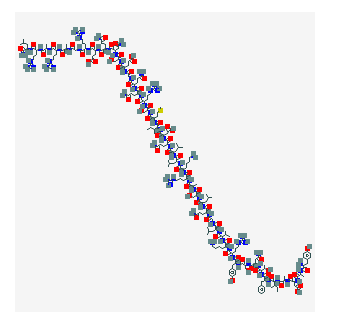
Growth hormone releasing hormone stands out among hormones due to its ability to exist in various forms. Its size can range from 37 to 44 amino acids, with the 44-amino-acid version being the most common and considered the standard reference when discussing GHRH. Interestingly, despite these differences in size, experimental evidence suggests that the overall function of the peptide remains unchanged. In other words, the 37-amino-acid version produces the same effects as its longer counterparts.
Growth hormone releasing hormone exhibits a basal rate of release that varies with age and developmental status, but its characteristic pattern of pulsatile release remains consistent regardless of the baseline hormone level. Research has indicated that maintaining the natural pulsation of GHRH, even during exogenous administration, is crucial for preserving normal physiological processes and preventing certain side effects.
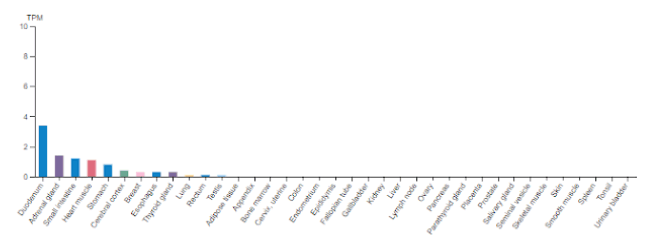
What sets Growth hormone releasing hormone apart from other hormones is its exclusive presence within the hypothalamus in the central nervous system. While many hormones are widely distributed throughout the central nervous system, Growth hormone releasing hormone is not. However, It can also be found in peripheral tissues such as the pancreas, heart, thymus, and colon. It is worth noting that it has been detected pathologically in certain tumors.
GHRH Analogs Are Common
Several analogues of Growth hormone releasing hormone have been developed with the goal of selectively targeting specific effects of the peptide while avoiding others. Additionally, modifications have been made to extend the half-life of exogenously administered. Notable examples of GHRH analogues include:
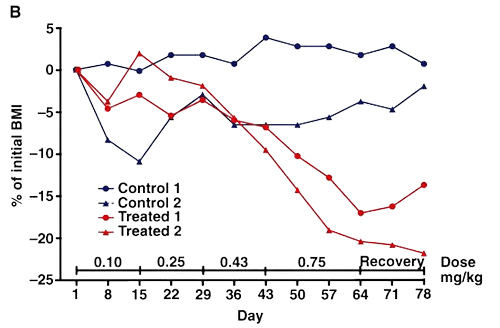
Of these, Tesamorelin stands out as it received FDA approval in 2010 for the treatment of lipodystrophy, a condition characterized by abnormal fat deposition, particularly in individuals with HIV. These analogues offer potential benefits while addressing specific medical conditions or therapeutic needs.
Several analogues of Growth hormone releasing hormone have been developed with the goal of selectively targeting specific effects of the peptide while avoiding others. Additionally, modifications have been made to extend the half-life of exogenously administered. Notable examples of GHRH analogues include:
Of these, Tesamorelin stands out as it received FDA approval in 2010 for the treatment of lipodystrophy, a condition characterized by abnormal fat deposition, particularly in individuals with HIV. These analogues offer potential benefits while addressing specific medical conditions or therapeutic needs.
Growth Hormone-Releasing Hormone, plays a significant role in sleep regulation, obesity, stress response, pain management, and several health conditions. Here’s a breakdown of its involvement in these areas:
A substantial portion of the total GH released by the pituitary gland occurs during non-REM sleep (NREMS). Growth hormone releasing hormone has been found to promote NREMS, while suppressing normal it release inhibits NREMS. Studies in mice suggest that it is crucial in regulating the sleep cycle. Growth hormone releasing hormone levels can affect the balance between NREMS and REM sleep throughout the night. Obstructive sleep apnea (OSA) can lead to deficits in GH and Growth hormone releasing hormone levels, which may explain cognitive dysfunction and obesity in OSA patients. Correcting these deficits, possibly through Growth hormone releasing hormone supplementation, could help alleviate cognitive impairments associated with sleep apnea. There is also ongoing research into the link between GHRH and conditions like depression, which may be influenced by the balance between Growth hormone releasing hormone and corticotropin-releasing hormone (CRH).
Growth hormone releasing hormone, by stimulating GH release, has anti-obesity properties. GH promotes lean body mass development, and GHRH supplementation has shown similar effects. Obesity reduces circulating GH levels by affecting GHRH secretion. This reduction in GHRH secretion may contribute to the difficulty of losing weight in obese individuals. It is speculated that GHRH or its analogs could be used to kickstart weight loss, helping to break the cycle of obesity.
Stress, whether physical or emotional, has been found to suppress Growth hormone releasing hormone secretion. This suppression can lead to delayed puberty, short stature, and depression. The mechanism involves neuropeptide Y levels, which alter the neurons responsible for Growth hormone releasing hormone production and release. This adaptation is thought to conserve energy during stressful events, but prolonged stress, particularly during childhood, can result in severe growth and development restrictions. GHRH supplementation may potentially offset the negative effects of severe physical and emotional distress on growth, development, inflammation, and cognition.
Research in rats has shown that GHRH is effective in relieving inflammatory pain without affecting the inflammatory mediators that cause it. This may have clinical relevance in fine-tuning the body’s inflammatory response to reduce pain without impacting other critical processes. GHRH could be particularly useful in managing the pain associated with fibromyalgia, a condition characterized by widespread pain, fatigue, and sleep disturbances. GHRH administration has been shown to reduce fibromyalgia pain and help reestablish normal sleep patterns.
Chronic inflammation is believed to play a role in benign prostatic hyperplasia (BPH or prostate enlargement). Research in mice suggests that GHRH antagonism can reduce inflammatory cytokines in the prostate, potentially leading to a reduction in prostate size. Furthermore, GHRH antagonism may prevent hyperplasia from developing in the first place, suggesting that GHRH antagonist therapy could be used as a preventive measure against BPH.
GH secretion and insulin-like growth factor-1 (IGF-1) decrease with age, resulting in reduced muscle mass and strength in older individuals. Research in older men has shown that multiple daily injections of GHRH or its analogs significantly improve muscle strength and bioenergetics without causing significant changes in other health parameters. GHRH supplementation also enhances sleep, potentially decreasing cardiovascular mortality, improving cognitive function, and boosting overall well-being. Long-term studies are underway to investigate the extended benefits and potential side effects of GHRH in countering the effects of aging.
These findings highlight the multifaceted role of GHRH in various physiological processes and potential applications in managing health conditions. Further research is needed to explore the full scope of its therapeutic potential.
The above literature was researched, edited and organized by Dr. Logan, M.D. Dr. Logan holds a doctorate degree from https://case.edu/medicine/Case Western Reserve University School of Medicine and a B.S. in molecular biology.
Case Western Reserve University School of Medicine
ALL ARTICLES AND PRODUCT INFORMATION PROVIDED ON THIS WEBSITE ARE FOR INFORMATIONAL AND EDUCATIONAL PURPOSES ONLY.
The product information featured on this website pertains exclusively to in-vitro studies. In-vitro studies, also known as ‘in glass’ studies, are conducted outside of living organisms. It’s important to emphasize that these products do not constitute medicines or drugs and have not received FDA approval for the prevention, treatment, or cure of any medical conditions, ailments, or diseases. It is crucial to note that the introduction of these products into the bodies of humans or animals is strictly prohibited by law.
THIS PRODUCT IS INTENDED AS A RESEARCH CHEMICAL ONLY. This designation allows the use of research chemicals strictly for in vitro testing and laboratory experimentation only. All product information available on this website is for educational purposes only. Bodily introduction of any kind into humans or animals is strictly forbidden by law. This product should only be handled by licensed, qualified professionals. This product is not a drug, food, or cosmetic and may not be misbranded, misused or mislabled as a drug, food or cosmetic.