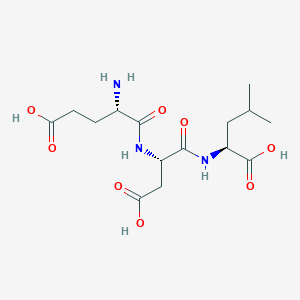
Ovagen (Bioregulator)
Ovagen, a tripeptide bioregulator, primarily targets the liver and gastrointestinal (GI) tract. While research on this Khavinson peptide is currently limited, it holds significant potential as an anti-aging peptide for the liver and GI tract. Studies have indicated that Ovagen may effectively reduce liver fibrosis over the long term and safeguard the GI mucosal layer from the adverse impacts of antibiotics, environmental toxins, and chemotherapy. Furthermore, there is growing interest in Ovagen's potential to inhibit HIV replication.
PEPTIDES LIST
- Adipotide (FTPP)
- AICAR
- AOD9604
- ARA-290
- B7-33
- BPC-157
- Bronchogen
- Cagrisema
- Cagrilintides
- Cardiogen
- Cartalax
- Cerebrolysin (215mg/ml, 10ml)
- Chonluten
- CJC-1295 DAC
- Cortagen
- DSIP
- Epithalon (Epitalon)
- Follistatin-315
- Follistatin-344
- FOXO4-DRI
- GHK-Cu (Copper Peptide)
- GHK Basic
- GHRP-2
- GHRP-6
- GHRH (GH-Releasing Hormone)
- Glutathione
- Gonadorelin (GnRH)
- GLP2 & GLP3
- hGH Fragment 176-191
- Hexarelin
- Humanin
- Ipamorelin
- Kisspeptin-10
- KPV (ACTH (11-13) alpha-MSH)
- Liraglutide (GLP-1 Analogue)
- Livagen
- LL-37 (CAP-18)
- Melanotan 2 (Melanotan II)
- Mezdutide
- MGF (C-terminal)
- ModGRF 1-29 (CJC-1295 No DAC)
- MK-677 (Ibutamoren)
- MOTS-c
- N-Acetyl Epithalon Amidate
- N-Acetyl Selank Amidate
- N-Acetyl Semax Amidate
- NAD+
- Ovagen
- Oxytocin+
- Pancragen
- PE-22-28
- PEG-MGF (Pegylated MGF)
- Pinealon
- PNC-27
- Prostamax
- PT-141 (Bremelanotide)
- P21 (P021)
- Retatrutide
- Snap8
- Tesa_Ipa_Blend
- Triblend
- Selank
- Semaglutide (GLP-1 Analogue)
- Semax
- Sermorelin
- SS-31
- Survodutide
- TB-500
- Tesamorelin
- Testagen
- Thymagen
- Thyrotropin-TRH
- Tirzepatide
- Triptorelin
- Vesugenas
- Vesilute
- Vilon
- VIP (Vasoactive Intestinal Peptide)
- GLP2
- GLP3
- Klow
- Klow8
- SLU-PP-332
- BAM-15
- Orforglipron
- Noopept
- 9-Me-BC
- Methylene Blue
- Lemon Bottle

Ovagen is a distinct tripeptide bioregulator and should not be confused with another product with a similar name containing ovine (sheep) follicle stimulating hormone (FSH). These two products have entirely different functions. While the FSH derivative is primarily used to promote ovulation, especially in individuals dealing with conditions such as polycystic ovarian syndrome (PCOS), the tripeptide Ovagen focuses on regulating liver function. Throughout this article, we will be referring to Ovagen as the tripeptide bioregulator.
Developed by Dr. Vladimir Khavinson, Ovagen is part of a group of peptides designed to influence various biological processes. Like other bioregulators, Ovagen possesses the unique ability to penetrate cell and nuclear membranes, allowing it to directly impact DNA structure and transcription patterns. Moreover, Ovagen exhibits tissue-specific effects. The peptide, composed of Glu-Asp-Leu, primarily plays a role in regulating and normalizing the functions of the liver and digestive tract. Additionally, there is some emerging evidence suggesting that it might have potential in controlling the replication of the HIV virus. This latter discovery has piqued the interest of HIV researchers seeking insights into the virus's lifecycle.
Ovagen is described as a peptide and bio-regulator used in research contexts for supporting functions in the liver and digestive tract. It’s also described as being able to cross cell membranes and influence DNA structure and gene expression, and is discussed in HIV-related research due to reported interaction with HIV-1 protease. (Educational/research context only.)
| Protocol Item | Guidance |
|---|---|
| Dose | 1–5 mg per dose |
| Cycling Style | Bio-regulators are typically cycled as periodic doses rather than continuous daily consumption. |
| Phase | Schedule |
|---|---|
| Loading Phase (Year 1) | Month 1: DailyMonths 2–3: Daily for 10–20 days at the start of each monthMonths 4–12: Off |
| Maintenance Phase (Year 2+) | 3× per year, spread out evenly |
Caution & Contraindications:
Caution:
• Caution in individuals with a history of or existing liver conditions
• Caution in individuals taking medications affecting the liver or used in the treatment of HIV
Contraindications:
• None at the moment due to limited research
Reconstitution Options (Vial Format):
• 20 mg
Reconstitution (General Handling):
• Use sterile technique and sanitize the vial stopper before access.
• Add diluent slowly along the vial wall to minimize foaming.
• Gently swirl/roll until fully dissolved (avoid vigorous shaking).
• Store according to the product label/spec sheet and protect from light as applicable.
Sequence: Glu-Asp-Leu (EDL)
Molecular Formula: C15H25N3O8
Molecular Weight: 375.37 g/mol
PubChem CID: 444128
CAS Number: EDL, glutamyl-aspartyl-leucine, SCHEMBL5329396, 1a30, CHEBI:137252
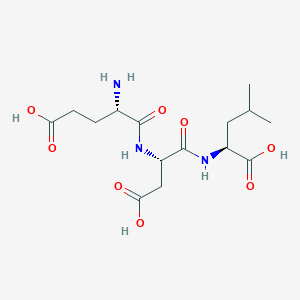
Ovagen: A Bioregulator for GI Tract and Liver Health: Ovagen, as per Dr. Khavinson's research, serves as a bioregulator for the gastrointestinal (GI) tract and liver. It has been found to promote cell growth in the liver while preventing scarring and fibrosis that can lead to cirrhosis. In the GI tract, Ovagen enhances mucosal barrier function and mitigates complications arising from factors like antibiotic treatment, environmental toxins, chemotherapy, malnutrition, and more.
Youthful DNA Restoration: Ovagen's Effects on Aging: Ovagen, like many bioregulators, exhibits its most significant benefits in older individuals. Research suggests that Ovagen can reverse age-related DNA changes, resetting the DNA in liver fibroblasts and GI mucosal cells to a more youthful state. This rejuvenation leads to less condensed DNA, making more genes available for transcription. Consequently, cells become more functional, less senescent, and ultimately healthier.
Versatile Applications of Ovagen: Research demonstrates that Ovagen is well-tolerated and may be valuable in normalizing liver and GI tract function in various inflammatory and disease conditions. It may also find utility in postoperative care, long-term antibiotic therapy, alleviating cancer treatment side effects, and potentially even as a preventive measure for diabetes. Ongoing research continues to explore the GI and liver benefits of Ovagen.
Ovagen's Role in Inhibiting HIV: The HIV-1 protease is a critical enzyme for the survival of the HIV virus, as it cleaves proteins necessary for the virus to function. Ovagen has shown effectiveness as an HIV-1 protease inhibitor, and it stands out as one of the smallest and most potent protease inhibitors known, with an effective concentration of just 50 microM. Notably, its high water solubility simplifies administration.
Summarizing Ovagen's Potential: Ovagen, a tripeptide bioregulator, primarily targets the liver and GI tract. While research on this Khavinson peptide is limited, it holds promise as an anti-aging agent in these organs. Ovagen reduces long-term liver fibrosis and safeguards the GI mucosal layer from the impact of antibiotics, environmental toxins, and chemotherapy. Additionally, there is notable interest in Ovagen's ability to inhibit HIV replication.
The above literature was researched, edited and organized by Dr. Logan, M.D. Dr. Logan holds a doctorate degree from https://case.edu/medicine/Case Western Reserve University School of Medicine and a B.S. in molecular biology.
Case Western Reserve University School of Medicine
ALL ARTICLES AND PRODUCT INFORMATION PROVIDED ON THIS WEBSITE ARE FOR INFORMATIONAL AND EDUCATIONAL PURPOSES ONLY.
The product information featured on this website pertains exclusively to in-vitro studies. In-vitro studies, also known as 'in glass' studies, are conducted outside of living organisms. It's important to emphasize that these products do not constitute medicines or drugs and have not received FDA approval for the prevention, treatment, or cure of any medical conditions, ailments, or diseases. It is crucial to note that the introduction of these products into the bodies of humans or animals is strictly prohibited by law.
THIS PRODUCT IS INTENDED AS A RESEARCH CHEMICAL ONLY. This designation allows the use of research chemicals strictly for in vitro testing and laboratory experimentation only. All product information available on this website is for educational purposes only. Bodily introduction of any kind into humans or animals is strictly forbidden by law. This product should only be handled by licensed, qualified professionals. This product is not a drug, food, or cosmetic and may not be misbranded, misused or mislabled as a drug, food or cosmetic.