NAD+
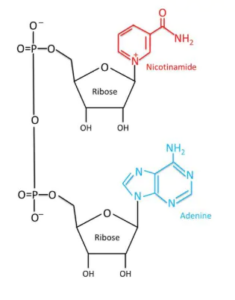
Nicotinamide adenine dinucleotide, commonly known as NAD+, is the oxidized state of NADH and is a naturally existing compound. Scientific studies have indicated that could potentially have positive effects on enhancing muscle performance, safeguarding nerve cell health, and mitigating the overall impacts of the aging process.
PEPTIDES LIST
- Adipotide (FTPP)
- AICAR
- AOD9604
- ARA-290
- B7-33
- BPC-157
- Bronchogen
- Cagrisema
- Cagrilintides
- Cardiogen
- Cartalax
- Cerebrolysin (215mg/ml, 10ml)
- Chonluten
- CJC-1295 DAC
- Cortagen
- DSIP
- Epithalon (Epitalon)
- Follistatin-315
- Follistatin-344
- FOXO4-DRI
- GHK-Cu (Copper Peptide)
- GHK Basic
- GHRP-2
- GHRP-6
- GHRH (GH-Releasing Hormone)
- Glutathione
- Gonadorelin (GnRH)
- GLP2 & GLP3
- hGH Fragment 176-191
- Hexarelin
- Humanin
- Ipamorelin
- Kisspeptin-10
- KPV (ACTH (11-13) alpha-MSH)
- Liraglutide (GLP-1 Analogue)
- Livagen
- LL-37 (CAP-18)
- Melanotan 2 (Melanotan II)
- Mezdutide
- MGF (C-terminal)
- ModGRF 1-29 (CJC-1295 No DAC)
- MK-677 (Ibutamoren)
- MOTS-c
- N-Acetyl Epithalon Amidate
- N-Acetyl Selank Amidate
- N-Acetyl Semax Amidate
- NAD+
- Ovagen
- Oxytocin+
- Pancragen
- PE-22-28
- PEG-MGF (Pegylated MGF)
- Pinealon
- PNC-27
- Prostamax
- PT-141 (Bremelanotide)
- P21 (P021)
- Retatrutide
- Snap8
- Tesa_Ipa_Blend
- Triblend
- Selank
- Semaglutide (GLP-1 Analogue)
- Semax
- Sermorelin
- SS-31
- Survodutide
- TB-500
- Tesamorelin
- Testagen
- Thymagen
- Thyrotropin-TRH
- Tirzepatide
- Triptorelin
- Vesugenas
- Vesilute
- Vilon
- VIP (Vasoactive Intestinal Peptide)
- GLP2
- GLP3
- Klow
- Klow8
- SLU-PP-332
- BAM-15
- Orforglipron
- Noopept
- 9-Me-BC
- Methylene Blue
- Lemon Bottle

NAD+, an abbreviation for nicotinamide adenine dinucleotide, exists as the oxidized form of NADH. Its primary biological purpose revolves around transporting electrons from one biochemical reaction to another, effectively serving as an energy shuttle within a cell. Under specific circumstances, It can even facilitate energy transfer to extracellular locations. Additionally, assumes essential roles in enzyme activation and deactivation, the posttranslational modification of proteins, and intercellular communication. In the context of extracellular signaling, It has been observed to emanate from neurons located in blood vessels, the bladder, the large intestine, and select neurons within the brain.
This section summarizes commonly referenced NAD+ dosing and cycling patterns, along with key cautions and common vial-format options.
| Protocol Item | Guidance |
|---|---|
| Typical Dose Range | 50–250 mg per doseNote: Typically, smaller doses are used for more frequent dosing, with larger doses used for less frequent dosing. |
| More Intensive Therapy | 500–1500 mg per day, often as part of a multi-day protocol |
| Cycling | 1–3× per week for 1 monthCan be extended up to 3–4 months, with a 1-month minimum cycle break betweenCycle length and intensity depend on response and goal |
Cautions & Contraindications:
Cautions:
• May cause nausea, flushing in the chest and face, and/or headache
• Use caution in individuals taking medications affecting the liver, blood thinners, and/or vitamins B3/B6
Contraindications:
• Generally well tolerated based on current research
Reconstitution Options (Vial Format):
• 100 mg
• 500 mg
• 750 mg
• 1000 mg
Reconstitution (General Handling):
• Use sterile technique and sanitize the vial stopper before access.
• Add diluent slowly along the vial wall to minimize foaming.
• Gently swirl/roll until fully dissolved (avoid vigorous shaking).
• Store according to the product label/spec sheet and protect from light as applicable.
Sequence: N/A
Molecular Formula: C21H27N7O14P2
Molecular Weight: 663.43 g/mol
PubChem CID: 925
CAS Number: 53-84-9
Synonyms: nicotinamide adenine dinucleotide, beta-NAD, NAD, Endopride
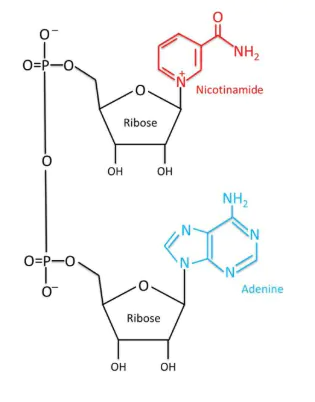
NAD+ serves as a crucial support molecule essential for cellular metabolism and communication, with its significance evident in various areas like energy conversion, DNA repair, immune response, and circadian rhythms. Notably, levels are sensitive to both disease and aging, resulting in declining effects associated with age-related decreases in this cofactor. Activation of Sirtuins and DNA Repair: NAD+ activates enzymes like sirtuins and Poly-ADP-ribose polymerases, contributing to DNA repair and regulation of inflammatory processes. Sirtuins are known for their association with the life-extending advantages of calorie restriction. Protection against Oxidative Stress: NAD+ controls the production of PGC-1-alpha, safeguarding neurons and other central nervous system cells from oxidative stress. Research in mice suggests that this effect may enhance memory, particularly during aging. Vascular Health: In mouse models, plays a protective role against age-related vascular issues, including arterial hardening and the buildup of atherosclerotic plaques. In certain studies, it has even shown promise in reversing aortic dysfunction associated with aging. Metabolic Enhancement: Mice administered exhibit increased metabolic rates and improved lean body mass. Muscle Strength and Endurance: Elevated levels have demonstrated the ability to enhance muscle strength and endurance in older mice. Extracellular Signaling: NAD+ is linked to extracellular signaling, particularly in smooth muscle, possibly benefiting gastrointestinal function. This effect likely contributes to positive impact on blood pressure.
Anti-Aging Research and NAD+: A common consequence of aging is the deterioration of mitochondria, which serve as the body's energy generators. This decline in mitochondrial quality and function is associated with normal aging and various age-related diseases. Research has linked mitochondrial aging to processes like cellular senescence, inflammation, and reduced stem cell activity, which impede healing and recovery in older individuals.
Mitochondria's Central Role: Mitochondria are more than just energy factories; they also serve as platforms for cellular signaling, regulators of immune responses, and modulators of stem cell activity. Their health directly impacts aging processes, including senescence, inflammation, and overall tissue and organ function decline. To combat aging, safeguarding mitochondrial function becomes paramount.
NADH and Mitochondrial Rejuvenation: New studies suggest that dietary supplementation can reverse some age-related mitochondrial decline. David Sinclair of Harvard University, known for his discovery of resveratrol's anti-aging effects, unveiled the potential NADH in 2013. Injecting a precursor to restored youthful mitochondrial states in mouse muscle.
Restoring Cellular Communication: In 2013 research, declining levels were found to induce a pseudohypoxic state within cells, disrupting the critical communication between the nucleus (DNA's home) and mitochondria. By supplementing in aged mice, mitochondrial function was restored, reestablishing this essential communication.
SIRT 1 Activation: plays a key role in preserving the SIRT 1 gene's function, which encodes the protein sirtuin 1. Sirtuin 1 is an enzyme crucial for regulating cellular metabolism, stress responses, longevity, and inflammation. Maintaining SIRT 1 expression is vital in combating age-related changes.
The Role of NAD+ In Muscle Function: Age-related muscle decline occurs in two stages in mouse models. Initially, oxidative phosphorylation, the process by which mitochondria generate energy, falters due to reduced mitochondrial gene expression. In the second stage, genes governing oxidative phosphorylation malfunction in both mitochondria and the nucleus. The first stage can be reversed with NAD plus administration, preserving mitochondrial function and preventing progression to the second stage. Delayed intervention, however, renders NAD plus ineffective, emphasizing the importance of early supplementation.
Exercise's Impact on Mitochondria: Exercise training mirrors NAD plus supplementation's effects on aging mitochondria. In both cases, intervention prevents changes in PGC-1-alpha signaling, preserving mitochondrial function. Mouse models of skeletal muscle aging show that lifelong exercise helps maintain muscle oxidative capacity by increasing PGC-1-alpha levels, protecting mitochondrial DNA, oxidative proteins, and angiogenic proteins.
NAD+ in Neurodegenerative Disease: NAD plus research related to aging also applies to neurodegenerative diseases like Alzheimer's and Huntington's. Studies have shown NAD+'s neuroprotective effects in mouse models of Huntington's disease. NAD+ enhances mitochondrial function, reducing reactive oxygen species production, which is detrimental in inflammatory and disease conditions and accelerates aging. Combining NAD plus supplementation with PARP inhibitors, a class of drugs, may yield synergistic effects.
Parkinson's Disease and NAD plus: In mouse models of Parkinson's disease, NAD plus supplementation safeguards against motor deficits and dopaminergic neuron loss in the substantia nigra. This suggests that NAD plus not only alleviates Parkinson's symptoms but may also impede disease development.
The Role of NAD+ in Reducing Inflammation: NAD plus levels are influenced by factors like NAMPT, an enzyme associated with inflammation and overexpressed in some cancers. Targeting NAMPT is being explored as an anti-cancer treatment. NAMPT is linked to obesity, type 2 diabetes, and nonalcoholic fatty liver disease, as it activates inflammation. NAD plus supplementation may mitigate NAMPT activation, modulating inflammation.
NAD+ in Addiction Treatment: Drugs and alcohol are known to reduce NAD plus levels, leading to nutritional deficiencies and altered mood and awareness. NAD plus supplementation, combined with specific amino acid complexes, has gained popularity for addiction rehabilitation. Research indicates that this combination reduces cravings, improves stress and anxiety levels, and enhances recovery outcomes.
NAD+ Supplementation and the Future of Aging Research: Animal studies suggest that NAD plus supplementation can counteract mitochondrial aging effects. Clinical trials are being pursued for neurodegenerative diseases and chronic type 2 diabetes. NAD plus shows potential for slowing disease progression and possibly reversing disease processes or regulating aging itself. NAD+ Safety and Availability: NAD plus supplementation exhibits minimal side effects, with excellent bioavailability in mice. However, mouse dosages do not directly apply to humans. NAD plus is available for research purposes but should not be used for human consumption; it is limited to educational and scientific research.
The above literature was researched, edited and organized by Dr. Logan, M.D. Dr. Logan holds a doctorate degree from https://case.edu/medicine/Case Western Reserve University School of Medicine and a B.S. in molecular biology.
Case Western Reserve University School of Medicine
ALL ARTICLES AND PRODUCT INFORMATION PROVIDED ON THIS WEBSITE ARE FOR INFORMATIONAL AND EDUCATIONAL PURPOSES ONLY.
The product information featured on this website pertains exclusively to in-vitro studies. In-vitro studies, also known as 'in glass' studies, are conducted outside of living organisms. It's important to emphasize that these products do not constitute medicines or drugs and have not received FDA approval for the prevention, treatment, or cure of any medical conditions, ailments, or diseases. It is crucial to note that the introduction of these products into the bodies of humans or animals is strictly prohibited by law.
THIS PRODUCT IS INTENDED AS A RESEARCH CHEMICAL ONLY. This designation allows the use of research chemicals strictly for in vitro testing and laboratory experimentation only. All product information available on this website is for educational purposes only. Bodily introduction of any kind into humans or animals is strictly forbidden by law. This product should only be handled by licensed, qualified professionals. This product is not a drug, food, or cosmetic and may not be misbranded, misused or mislabled as a drug, food or cosmetic.