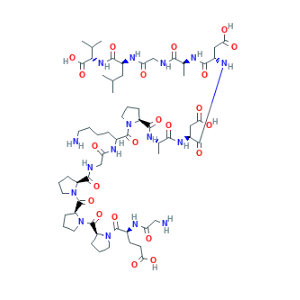
Lemon Bottle
Lemon Bottle is a marketed “fat-dissolving” injectable formulation positioned as a minimally invasive alternative to surgical fat removal for localized contour refinement. Promotional materials describe a multi-component blend—commonly riboflavin (vitamin B2), lecithin (phospholipid fraction), and bromelain (proteolytic enzyme complex)—intended to facilitate depot-specific adipose reduction with comparatively limited downtime. Mechanistically, these claims typically invoke accelerated lipid mobilization, adipocyte disruption and/or remodeling, and subsequent clearance via lymphatic trafficking. Despite extensive visibility on social media, medical commentary frequently emphasizes that robust, product-specific randomized clinical trial data are limited, and outcomes are highly contingent on formulation identity, patient selection, injection technique, and post-procedural care.
PEPTIDES LIST
- Adipotide (FTPP)
- AICAR
- AOD9604
- ARA-290
- B7-33
- BPC-157
- Bronchogen
- Cagrisema
- Cagrilintides
- Cardiogen
- Cartalax
- Cerebrolysin (215mg/ml, 10ml)
- Chonluten
- CJC-1295 DAC
- Cortagen
- DSIP
- Epithalon (Epitalon)
- Follistatin-315
- Follistatin-344
- FOXO4-DRI
- GHK-Cu (Copper Peptide)
- GHK Basic
- GHRP-2
- GHRP-6
- GHRH (GH-Releasing Hormone)
- Glutathione
- Gonadorelin (GnRH)
- GLP2 & GLP3
- hGH Fragment 176-191
- Hexarelin
- Humanin
- Ipamorelin
- Kisspeptin-10
- KPV (ACTH (11-13) alpha-MSH)
- Liraglutide (GLP-1 Analogue)
- Livagen
- LL-37 (CAP-18)
- Melanotan 2 (Melanotan II)
- Mezdutide
- MGF (C-terminal)
- ModGRF 1-29 (CJC-1295 No DAC)
- MK-677 (Ibutamoren)
- MOTS-c
- N-Acetyl Epithalon Amidate
- N-Acetyl Selank Amidate
- N-Acetyl Semax Amidate
- NAD+
- Ovagen
- Oxytocin+
- Pancragen
- PE-22-28
- PEG-MGF (Pegylated MGF)
- Pinealon
- PNC-27
- Prostamax
- PT-141 (Bremelanotide)
- P21 (P021)
- Retatrutide
- Snap8
- Tesa_Ipa_Blend
- Triblend
- Selank
- Semaglutide (GLP-1 Analogue)
- Semax
- Sermorelin
- SS-31
- Survodutide
- TB-500
- Tesamorelin
- Testagen
- Thymagen
- Thyrotropin-TRH
- Tirzepatide
- Triptorelin
- Vesugenas
- Vesilute
- Vilon
- VIP (Vasoactive Intestinal Peptide)
- GLP2
- GLP3
- Klow
- Klow8
- SLU-PP-332
- BAM-15
- Orforglipron
- Noopept
- 9-Me-BC
- Methylene Blue
- Lemon Bottle

Lemon Bottle is frequently categorized online as a “lipolysis” or “fat dissolving” injection used to address small, stubborn subcutaneous fat deposits (e.g., submental fullness, localized flank adiposity, bra-line fullness). In contrast to energy-based devices (cryolipolysis, RF, ultrasound) or surgical aspiration, injection-based lipolysis attempts to induce localized adipose volume reduction through chemical and/or biochemical perturbation of adipocytes and the adipose microenvironment. Depending on composition, this may range from detergent-driven adipocytolysis (cell membrane lysis) to inflammatory remodeling with macrophage-mediated lipid clearance. Lemon Bottle is commonly marketed as a “natural” option and is often contrasted with deoxycholic-acid–containing adipocytolytic injectables.
- Primary clinical goal: localized contour optimization rather than systemic weight management
- Target compartment: subcutaneous adipose depots (not visceral fat)
- Putative pathway: adipocyte perturbation → lipid mobilization/clearance → gradual contour refinement
- Key constraints: variable product identity, heterogeneous protocols, limited product-specific high-quality trials
- Primary clinical goal: localized contour optimization rather than systemic weight management
- Target compartment: subcutaneous adipose depots (not visceral fat)
- Putative pathway: adipocyte perturbation → lipid mobilization/clearance → gradual contour refinement
- Key constraints: variable product identity, heterogeneous protocols, limited product-specific high-quality trials
Injection lipolysis products are frequently marketed with dosing grids and interval schedules; however, standardized, product-validated protocols for Lemon Bottle are not universally established in peer-reviewed literature. Because injectable administration introduces sterility, tissue compatibility, neurovascular proximity, and complication-management requirements, usage should be restricted to appropriately credentialed clinicians operating under local regulatory frameworks.
Key clinical considerations:
Pre-procedure: medical history review (allergies, bleeding risk, immune status), examination of target depot size and skin quality, informed consent with realistic expectations.
Important: This page is informational and does not provide dosing or injection instructions.
| Domain | What to Evaluate | Why It Matters |
|---|---|---|
| Product identity | Authenticity, batch traceability, sterile supply chain | Adulteration/variability can drive adverse events and inconsistent results |
| Candidate selection | Localized adiposity, stable weight, skin elasticity | Improves likelihood of visually meaningful contour change |
| Risk screening | Active infection, impaired healing, uncontrolled systemic disease | Reduces complication probability (infection, necrosis, prolonged inflammation) |
| Follow-up strategy | Planned reassessment intervals and documentation | Allows outcome tracking and early complication recognition |
Post-procedure overview:
• Monitor for expected transient effects (erythema, edema, ecchymosis, tenderness).
• Maintain injection-site hygiene to reduce infection risk.
• Escalate promptly for red flags (progressive pain, spreading erythema, fever, drainage, ulceration, persistent nodularity).
• Support physiologic clearance with adequate hydration and avoidance of behaviors that exacerbate inflammation during early recovery.
Core marketed constituents: Riboflavin (Vitamin B2), Lecithin (phospholipid fraction), Bromelain (protease complex)
Functional framing: Riboflavin is positioned as a local metabolic cofactor; lecithin as a lipid emulsifier/transport facilitator; bromelain as a proteolytic and anti-inflammatory adjunct.
Mechanistic caveat: The relative contribution of each constituent to clinically meaningful adipose reduction remains incompletely characterized in product-specific human trials.
Formulation standardization: \ ext{Not publicly standardized across all suppliers; composition may vary by batch/source.
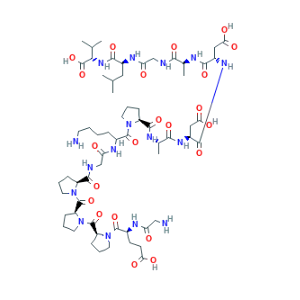
Lemon Bottle is commonly described as promoting “fat dissolution” followed by physiologic clearance through lymphatic drainage. Scientifically, localized contour change after injection-based agents can arise from multiple, non-mutually-exclusive processes:
- Adipocyte membrane perturbation: chemical disruption can trigger adipocytolysis with subsequent inflammatory clearance.
- Lipid mobilization signaling: changes in local metabolic cofactors may bias toward triglyceride hydrolysis and fatty-acid flux, though direct depot-specific evidence is limited.
- Inflammatory remodeling: controlled inflammation may yield extracellular matrix reorganization and volumetric changes over weeks.
- Macrophage-mediated clearance: phagocytic processing of lipid debris can contribute to gradual reduction in treated thickness.
Importantly, in the broader injection-lipolysis landscape, detergent-like molecules (e.g., bile acid derivatives) have clearer adipocytolytic mechanisms. Lemon Bottle is often marketed as excluding such detergents, which increases uncertainty regarding the dominant biological driver of reported outcomes.
The most favorable aesthetic response is generally expected in individuals with small, discrete, diet-resistant subcutaneous fat deposits and adequate skin elasticity, where modest reductions translate into visible contour refinement. Lemon Bottle is not positioned as an obesity treatment; rather, it is marketed for focal adiposity.
Appropriate selection typically includes:
- Localized adiposity with stable body weight
- Realistic expectations (incremental change, not dramatic “weight loss”)
- Sufficient dermal recoil to prevent post-reduction laxity
- Willingness to adhere to follow-up and aftercare precautions
- Localized adiposity with stable body weight
- Realistic expectations (incremental change, not dramatic “weight loss”)
- Sufficient dermal recoil to prevent post-reduction laxity
- Willingness to adhere to follow-up and aftercare precautions
Patients commonly excluded from injection-based aesthetic procedures include those with active local infection, impaired wound healing, uncontrolled systemic illness, or known hypersensitivity to formulation components. A thorough clinician-led assessment is mandatory for safety.
Online reports frequently describe visible contour changes emerging over several weeks, consistent with a delayed inflammatory clearance/remodeling phenotype rather than immediate volumetric change. However, product-specific, high-quality randomized controlled trials for Lemon Bottle are not broadly established in the public literature, and the reproducibility of results may be constrained by protocol heterogeneity and supply-chain variability.
Expected trajectory (general aesthetic pattern):
• Early phase (days): localized erythema/edema, tenderness, potential ecchymosis.
• Intermediate phase (weeks): gradual softening of treated depot and progressive contour refinement.
• Consolidation phase (weeks to months): stabilization of visible change; maintenance depends on weight stability and lifestyle factors.
Outcomes are influenced by baseline depot thickness, injection distribution, inflammatory response variability, and post-procedure behaviors. Patients should be counseled that “spot reduction” is inherently limited and that maintenance requires avoidance of significant weight regain.
Like many injectable aesthetic interventions, transient local reactions are commonly reported: swelling, bruising, erythema, pruritus, tenderness, and temporary sensory alterations. More serious adverse events—while less frequent—can occur and may include infection, persistent nodules, contour irregularity, prolonged inflammation, tissue injury, and allergic reaction.
Safety framework:
• Sterile technique and regulated sourcing are critical to minimize infection and contamination risk.
• Explicit informed consent should cover uncertainty of efficacy, the possibility of asymmetry, and escalation pathways for complications.
• Early recognition of red flags and timely medical management reduce risk of permanent sequelae.
Post-treatment guidance commonly emphasizes reducing inflammatory amplification and minimizing infection risk during early recovery. While recommendations vary by clinician and jurisdiction, conservative aftercare frequently includes maintaining cleanliness of the treated area, avoiding unnecessary manipulation, and limiting behaviors that exacerbate vasodilation or inflammation during the initial healing window.
Supportive strategies often include adequate hydration and gentle activity as tolerated, with clinician-specific guidance regarding exercise intensity, heat exposure, alcohol, and topical products for facial areas. Any worsening pain, expanding redness, fever, drainage, ulceration, or persistent hard nodules should prompt immediate clinical evaluation.
A scientifically credible evaluation of Lemon Bottle would require: (1) analytical confirmation of composition and concentration across lots, (2) standardized injection protocols, (3) objective outcome measures (ultrasound thickness, caliper metrics, blinded photographic assessment), (4) controlled comparisons versus established modalities, and (5) systematic adverse-event reporting. Without these elements, estimates of efficacy and safety remain confounded by variability in product identity, technique, and patient characteristics.
High-quality studies should also examine whether observed contour improvements reflect true adipocyte ablation versus transient edema shifts or remodeling phenomena, and should quantify durability under weight fluctuation conditions.
Injection Lipolysis Review (PMC)
The above literature was researched, edited and organized by the content team for educational use. This overview synthesizes publicly available clinical commentary, mechanistic concepts from the injection-lipolysis literature, and high-level safety considerations. It is not medical advice and does not replace consultation with a licensed clinician.
ALL ARTICLES AND PRODUCT INFORMATION PROVIDED ON THIS WEBSITE ARE FOR INFORMATIONAL AND EDUCATIONAL PURPOSES ONLY.
The product information featured on this website pertains exclusively to research discussion and educational review. It’s important to emphasize that this content does not constitute medical advice, diagnosis, or treatment guidance. Any injectable aesthetic procedure carries risk and must be performed by appropriately licensed professionals operating within local laws and regulatory frameworks. Products discussed may not be approved by regulatory authorities for cosmetic injection use in all jurisdictions.
THIS PRODUCT IS INTENDED AS A RESEARCH CHEMICAL ONLY. This designation allows the use of research chemicals strictly for in vitro testing and laboratory experimentation only. All product information available on this website is for educational purposes only. Bodily introduction of any kind into humans or animals is strictly forbidden by law. This product should only be handled by licensed, qualified professionals. This product is not a drug, food, or cosmetic and may not be misbranded, misused or mislabled as a drug, food or cosmetic.