Peptides for Healing, Inflammation & Recovery
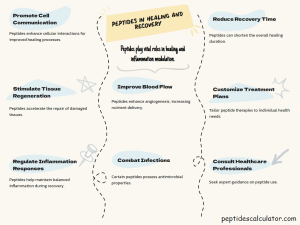
Peptides have emerged as significant contributors to healing, inflammation modulation, and recovery processes. Their role as signaling molecules enhances cellular communication, essential for tissue repair. Notable peptides, such as BPC-157 and TB-500, offer potential benefits in reducing inflammation and promoting recovery. Understanding the intricacies of these peptides and their applications can provide valuable insights into effective therapeutic strategies. What specific mechanisms make these peptides so effective in healing?
PEPTIDES LIST
- Adipotide (FTPP)
- AICAR
- AOD9604
- ARA-290
- B7-33
- BPC-157
- Bronchogen
- Cagrisema
- Cagrilintides
- Cardiogen
- Cartalax
- Cerebrolysin (215mg/ml, 10ml)
- Chonluten
- CJC-1295 DAC
- Cortagen
- DSIP
- Epithalon (Epitalon)
- Follistatin-315
- Follistatin-344
- FOXO4-DRI
- GHK-Cu (Copper Peptide)
- GHK Basic
- GHRP-2
- GHRP-6
- GHRH (GH-Releasing Hormone)
- Glutathione
- Gonadorelin (GnRH)
- GLP2 & GLP3
- hGH Fragment 176-191
- Hexarelin
- Humanin
- Ipamorelin
- Kisspeptin-10
- KPV (ACTH (11-13) alpha-MSH)
- Liraglutide (GLP-1 Analogue)
- Livagen
- LL-37 (CAP-18)
- Melanotan 2 (Melanotan II)
- Mezdutide
- MGF (C-terminal)
- ModGRF 1-29 (CJC-1295 No DAC)
- MK-677 (Ibutamoren)
- MOTS-c
- N-Acetyl Epithalon Amidate
- N-Acetyl Selank Amidate
- N-Acetyl Semax Amidate
- NAD+
- Ovagen
- Oxytocin+
- Pancragen
- PE-22-28
- PEG-MGF (Pegylated MGF)
- Pinealon
- PNC-27
- Prostamax
- PT-141 (Bremelanotide)
- P21 (P021)
- Retatrutide
- Snap8
- Tesa_Ipa_Blend
- Triblend
- Selank
- Semaglutide (GLP-1 Analogue)
- Semax
- Sermorelin
- SS-31
- Survodutide
- TB-500
- Tesamorelin
- Testagen
- Thymagen
- Thyrotropin-TRH
- Tirzepatide
- Triptorelin
- Vesugenas
- Vesilute
- Vilon
- VIP (Vasoactive Intestinal Peptide)
- GLP2
- GLP3
- Klow
- Klow8
- SLU-PP-332
- BAM-15
- Orforglipron
- Noopept
- 9-Me-BC
- Methylene Blue
- Lemon Bottle

Peptides have emerged as significant contributors to healing, inflammation modulation, and recovery processes. Their role as signaling molecules enhances cellular communication, essential for tissue repair. Notable peptides, such as BPC-157 and TB-500, offer potential benefits in reducing inflammation and promoting recovery. Understanding the intricacies of these peptides and their applications can provide valuable insights into effective therapeutic strategies. What specific mechanisms make these peptides so effective in healing?
Peptides play a crucial role in tissue repair and cellular recovery by promoting regenerative processes at the molecular level. These short chains of amino acids act as signaling molecules, facilitating communication between cells to enhance healing responses. When tissues sustain injury, peptides can stimulate cellular activities such as proliferation, migration, and differentiation, which are necessary for effective repair.
Moreover, peptides can modulate inflammation, a critical component of the healing process. By balancing inflammatory responses, they help to create an ideal environment for tissue regeneration. Their ability to promote blood vessel formation also guarantees that damaged areas receive adequate oxygen and nutrients, further supporting recovery.
Key healing peptides have gained attention for their ability to promote recovery and reduce inflammation. Notable examples include BPC-157, TB-500, and LL-37, each known for unique mechanisms that facilitate tissue repair. Additionally, peptides like ARA-290 and KPV contribute to the healing process, highlighting the diverse roles these biomolecules play in recovery.
BPC-157, a peptide derived from human gastric juice, has gained attention for its remarkable healing properties. Research indicates that it promotes tissue repair by accelerating the healing of wounds, tendons, and muscles. This peptide appears to enhance angiogenesis, the formation of new blood vessels, which is essential for delivering nutrients and oxygen to damaged areas. Additionally, BPC-157 has shown potential in reducing inflammation, thereby alleviating pain and improving recovery times. Its ability to modulate various growth factors contributes to its effectiveness in healing. Consequently, BPC-157 is being explored not only for its applications in sports medicine but also for broader therapeutic uses in managing chronic injuries and promoting overall tissue health.
While many have turned to various treatments for healing, TB-500 stands out due to its unique properties that facilitate recovery and tissue repair. This peptide, derived from thymosin beta-4, plays a significant role in promoting cell migration, reducing inflammation, and enhancing muscle recovery. It is particularly effective in treating injuries and improving overall healing processes.
TB-500's versatility makes it a valuable option in regenerative medicine.
LL-37 is another peptide recognized for its role in promoting healing and combating inflammation. This peptide, derived from human cathelicidin, possesses antimicrobial properties, making it effective in defending against infections. Beyond its protective function, LL-37 plays an essential role in wound healing by modulating immune responses and enhancing tissue regeneration. Research indicates that it stimulates the migration and proliferation of skin cells, important for repairing damaged tissues. Additionally, LL-37 can reduce excessive inflammation, which often hampers recovery processes. Its multifaceted actions make it a focus of interest in therapeutic applications, especially for conditions where inflammation and healing are imperative. Consequently, LL-37 emerges as a promising candidate for enhancing recovery in various clinical settings.
ARA-290 is a peptide gaining attention for its potential in promoting healing and reducing inflammation. It acts as a signaling molecule, targeting specific pathways associated with tissue repair and immune response modulation. Research indicates that ARA-290 may be beneficial for conditions characterized by chronic inflammation and slow recovery.
KPV, a peptide known for its healing properties, plays a significant role in modulating inflammation and promoting tissue repair. This peptide is particularly remarkable for its ability to enhance recovery processes in various conditions.
Here are four key aspects of KPV:
Anti-Inflammatory Effects: KPV effectively reduces inflammation, making it beneficial for chronic inflammatory diseases.
Tissue Regeneration: It supports the repair of damaged tissues, accelerating the healing process.
Pain Reduction: KPV has been shown to alleviate pain associated with inflammation, improving patient comfort.
Immune Modulation: This peptide helps regulate immune responses, ensuring a balanced reaction to injury or infection.
Although recovery from surgery or chronic inflammation can be a prolonged and challenging process, certain peptides have emerged as promising tools to enhance healing and alleviate discomfort. Peptides like BPC-157 and TB-500 are particularly noted for their roles in reducing inflammation and promoting tissue repair. These peptides can help modulate the inflammatory response, ultimately supporting a more efficient recovery.
Incorporating these peptides into recovery protocols may offer patients a more effective path to healing while minimizing discomfort associated with inflammation.
As interest in healing peptides grows, many individuals seek answers to common questions regarding their efficacy and safety. Questions often arise about the duration of their effects, their potential benefits for conditions like arthritis and injury recovery, and their legal status. Addressing these FAQs can provide clarity for those considering the use of healing peptides.
How quickly can one expect results from healing peptides? The timeline for experiencing effects from healing peptides can vary considerably based on several factors. Typically, individuals might notice improvements within a few days to weeks.
Peptide Type: Different peptides, like BPC-157 or TB-500, may have unique onset times.
Dosage: Higher or more frequent dosages might accelerate results.
Individual Factors: Age, metabolic rate, and overall health can influence how quickly one responds.
Condition Severity: More severe injuries or conditions may require longer to show noticeable improvement.
Understanding these factors can help set realistic expectations for those exploring healing peptides for their recovery journey.
Peptides have gained attention for their potential in addressing various health issues, including arthritis and injury recovery. Research indicates that specific peptides, such as BPC-157 and TB-500, may promote tissue repair and reduce inflammation, which are critical factors in managing arthritis symptoms and enhancing recovery from injuries. These peptides can stimulate the healing process by promoting angiogenesis, collagen synthesis, and cellular regeneration. Additionally, they may modulate the immune response, potentially alleviating pain and swelling associated with arthritis. While anecdotal evidence supports their efficacy, further clinical studies are necessary to fully understand their mechanisms and benefits. Overall, peptides represent a promising avenue for individuals seeking alternative methods to support healing and recovery from joint-related ailments.
What should individuals consider regarding the legality and safety of healing peptides? These aspects can greatly impact their use and effectiveness. Understanding the regulatory landscape and potential risks is important for informed decisions.
Regulatory Status: Many healing peptides are not FDA-approved for human use, which raises legal and safety concerns.
Quality Control: The lack of regulation means that sourcing from reputable suppliers is essential to guarantee purity and efficacy.
Potential Side Effects: Users should be aware of possible side effects, which can vary based on individual health conditions.
Consultation with Professionals: Engaging healthcare providers is critical for personalized guidance and risk assessment when considering peptide therapies.
THIS PRODUCT IS INTENDED AS A RESEARCH CHEMICAL ONLY. This designation allows the use of research chemicals strictly for in vitro testing and laboratory experimentation only. All product information available on this website is for educational purposes only. Bodily introduction of any kind into humans or animals is strictly forbidden by law. This product should only be handled by licensed, qualified professionals. This product is not a drug, food, or cosmetic and may not be misbranded, misused or mislabled as a drug, food or cosmetic.