GHRP-2
GHRP-2 is a synthetic growth hormone secretagogue that interacts with the ghrelin/growth hormone secretagogue receptor. Research trials have demonstrated its potential to enhance muscle growth, modulate the immune system, and regulate sleep cycles. Remarkably, GHRP-2 research has revealed its ability to exhibit oral bio-activity, meaning it can have effects when taken orally.
PEPTIDES LIST
- Adipotide (FTPP)
- AICAR
- AOD9604
- ARA-290
- B7-33
- BPC-157
- Bronchogen
- Cagrisema
- Cagrilintides
- Cardiogen
- Cartalax
- Cerebrolysin (215mg/ml, 10ml)
- Chonluten
- CJC-1295 DAC
- Cortagen
- DSIP
- Epithalon (Epitalon)
- Follistatin-315
- Follistatin-344
- FOXO4-DRI
- GHK-Cu (Copper Peptide)
- GHK Basic
- GHRP-2
- GHRP-6
- GHRH (GH-Releasing Hormone)
- Glutathione
- Gonadorelin (GnRH)
- GLP2 & GLP3
- hGH Fragment 176-191
- Hexarelin
- Humanin
- Ipamorelin
- Kisspeptin-10
- KPV (ACTH (11-13) alpha-MSH)
- Liraglutide (GLP-1 Analogue)
- Livagen
- LL-37 (CAP-18)
- Melanotan 2 (Melanotan II)
- Mezdutide
- MGF (C-terminal)
- ModGRF 1-29 (CJC-1295 No DAC)
- MK-677 (Ibutamoren)
- MOTS-c
- N-Acetyl Epithalon Amidate
- N-Acetyl Selank Amidate
- N-Acetyl Semax Amidate
- NAD+
- Ovagen
- Oxytocin+
- Pancragen
- PE-22-28
- PEG-MGF (Pegylated MGF)
- Pinealon
- PNC-27
- Prostamax
- PT-141 (Bremelanotide)
- P21 (P021)
- Retatrutide
- Snap8
- Tesa_Ipa_Blend
- Triblend
- Selank
- Semaglutide (GLP-1 Analogue)
- Semax
- Sermorelin
- SS-31
- Survodutide
- TB-500
- Tesamorelin
- Testagen
- Thymagen
- Thyrotropin-TRH
- Tirzepatide
- Triptorelin
- Vesugenas
- Vesilute
- Vilon
- VIP (Vasoactive Intestinal Peptide)
- GLP2
- GLP3
- Klow
- Klow8
- SLU-PP-332
- BAM-15
- Orforglipron
- Noopept
- 9-Me-BC
- Methylene Blue
- Lemon Bottle

GHRP-2, also known as pralmorelin, is a synthetic growth hormone secretagogue that binds the ghrelin/growth hormone secretagogue receptor. It was the pioneering compound among growth hormone secretagogues and remains a reference test peptide for evaluating growth hormone deficiency and secondary adrenal failure. Stage II trials explored its role in treating short stature, while broader research continues into its influence on appetite, lean mass accrual, immune modulation, and sleep regulation. Notably, GHRP-2 exhibits oral and sublingual bioactivity, providing needle-free administration routes in research contexts.
GHRP-2 is described as a Growth Hormone Releasing Peptide (GHRP) that was initially developed to check for growth hormone deficiencies. It’s discussed for stimulating growth hormone (GH) release and ghrelin (the “hunger hormone”), and may temporarily increase prolactin and cortisol. (Educational / research context only.)
Deeper Research Notes (Summary):
• GHRP-2 is described as stimulating GH release by mimicking ghrelin and binding to growth hormone secretagogue receptors (GHS-R) in the brain, while inhibiting somatostatin (a hormone that suppresses GH production).
• In heart cells, it’s described as reducing apoptosis (cell death) during stress or nutrient deprivation—supporting preservation of heart function and promoting healing after cardiac events.
• It’s described as stimulating the thymus gland to produce T-cells, supporting immune function and the body’s ability to fight infections.
• It’s described as enhancing deep sleep and REM sleep by stimulating GH release and regulating sleep-related hormones/neurotransmitters such as melatonin and GABA.
Dosing & Cycling (As Listed):
Timing note: Carbohydrates and fatty acids are noted as potentially blunting GH release; it’s described as best taken ~30 minutes before eating or ~2 hours after eating.Frequency note: Multiple injections per day are noted as a way to increase GH secretion (often mentioned in bodybuilding contexts).
| Protocol Item | Guidance |
|---|---|
| Dose | 100–500 mcg per dose |
| Cycling | 1–7× weekly, 8–12 weeks on, 4–8 weeks off |
Caution & Contraindications:
Caution:
• May cause water retention, hunger, headaches, changes in blood sugar levels, and joint pain
• Use caution in individuals with existing hormonal imbalances or conditions
• Extended use or higher doses may cause increased release of prolactin and cortisol
Contraindications:
• Individuals with active or history of hormone-sensitive cancers and/or a history of severe low blood sugar levels
Reconstitution Options (Vial Format):
• 5 mg
• 10 mg
Reconstitution (General Handling):
• Use sterile technique and sanitize the vial stopper before access.
• Add bacteriostatic water (or label-specified diluent) slowly along the vial wall to minimize foaming.
• Gently swirl/roll until fully dissolved (avoid vigorous shaking).
• Store according to the product label/spec sheet and protect from light as applicable.
Sequence: D-Ala-D-2Nal-Ala-Trp-D-Phe-Lys
Molecular Formula: C45H55N9O6
Molecular Weight: 817.9749 g/mol
PubChem CID: 6918245
CAS Number: 158861-67-7
Code Names: KP-102, GPA-748, WAY-GPA-748
1. Muscle Savior: Research in yaks highlights dual mechanisms—enhanced protein deposition and reduced degradation—to counter muscle atrophy. By downregulating atrogin-1 and MuRF1 and stimulating growth hormone/IGF-1 activity, GHRP-2 supports lean mass retention under harsh conditions.
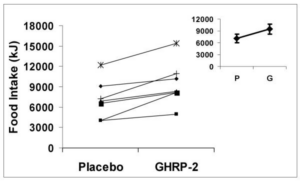
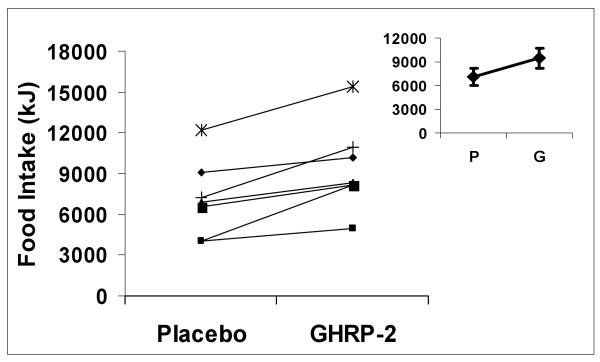
2. Appetite Igniter: Reliable appetite stimulation offers clinicians a valuable lever for chronic care, improving nutritional status and overall prognosis.
3. Heart Protector: Fetal cardiomyocyte studies show that GHRP-2 and its analogues reduce apoptosis, suggesting cardioprotective applications in ischemic events. Findings with the analogue Hexarelin point to dedicated receptors, informing therapy design and preventive strategies.
4. Immune Booster: Early data indicate immunomodulatory activity, broadening the peptide’s investigative scope.
5. Sleep Enhancement: GHRP-2 extends stages 3 and 4 sleep by ~50% each, increases REM by ~20%, and stabilizes overall sleep architecture. Better sleep supports cognition, blood pressure, tissue repair, and energy—benefits especially relevant to aging adults.
6. Pain Perception Modulation: Analgesic effects in osteoarthritis models precede tissue repair, implying direct action on opioid receptors. Selective receptor engagement opens avenues for opioid agonists with fewer side effects such as respiratory depression and addiction.
Article Author :
The above literature was researched, edited and organized by Dr. Logan, M.D. Dr. Logan holds a doctorate degree from https://case.edu/medicine/Case Western Reserve University School of Medicine and a B.S. in molecular biology.
Case Western Reserve University School of Medicine
ALL ARTICLES AND PRODUCT INFORMATION PROVIDED ON THIS WEBSITE ARE FOR INFORMATIONAL AND EDUCATIONAL PURPOSES ONLY.
The product information featured on this website pertains exclusively to in-vitro studies. In-vitro studies, also known as ‘in glass’ studies, are conducted outside of living organisms. It’s important to emphasize that these products do not constitute medicines or drugs and have not received FDA approval for the prevention, treatment, or cure of any medical conditions, ailments, or diseases. It is crucial to note that the introduction of these products into the bodies of humans or animals is strictly prohibited by law.
THIS PRODUCT IS INTENDED AS A RESEARCH CHEMICAL ONLY. This designation allows the use of research chemicals strictly for in vitro testing and laboratory experimentation only. All product information available on this website is for educational purposes only. Bodily introduction of any kind into humans or animals is strictly forbidden by law. This product should only be handled by licensed, qualified professionals. This product is not a drug, food, or cosmetic and may not be misbranded, misused or mislabled as a drug, food or cosmetic.