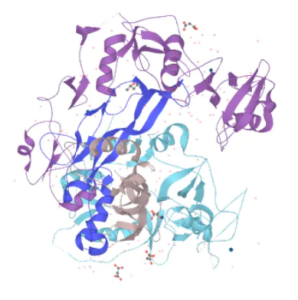
Follistatin-344
Follistatin-344 mirrors the full-length follistatin precursor synthesized in the pituitary and reproductive tissues. By antagonizing myostatin, activin, and follicle-stimulating hormone, it is being explored for skeletal muscle hypertrophy, fibrosis mitigation, endocrine modulation, and regenerative medicine. All experimental work must be performed under licensed laboratory supervision.
PEPTIDES LIST
- Adipotide (FTPP)
- AICAR
- AOD9604
- ARA-290
- B7-33
- BPC-157
- Bronchogen
- Cagrisema
- Cagrilintides
- Cardiogen
- Cartalax
- Cerebrolysin (215mg/ml, 10ml)
- Chonluten
- CJC-1295 DAC
- Cortagen
- DSIP
- Epithalon (Epitalon)
- Follistatin-315
- Follistatin-344
- FOXO4-DRI
- GHK-Cu (Copper Peptide)
- GHK Basic
- GHRP-2
- GHRP-6
- GHRH (GH-Releasing Hormone)
- Glutathione
- Gonadorelin (GnRH)
- GLP2 & GLP3
- hGH Fragment 176-191
- Hexarelin
- Humanin
- Ipamorelin
- Kisspeptin-10
- KPV (ACTH (11-13) alpha-MSH)
- Liraglutide (GLP-1 Analogue)
- Livagen
- LL-37 (CAP-18)
- Melanotan 2 (Melanotan II)
- Mezdutide
- MGF (C-terminal)
- ModGRF 1-29 (CJC-1295 No DAC)
- MK-677 (Ibutamoren)
- MOTS-c
- N-Acetyl Epithalon Amidate
- N-Acetyl Selank Amidate
- N-Acetyl Semax Amidate
- NAD+
- Ovagen
- Oxytocin+
- Pancragen
- PE-22-28
- PEG-MGF (Pegylated MGF)
- Pinealon
- PNC-27
- Prostamax
- PT-141 (Bremelanotide)
- P21 (P021)
- Retatrutide
- Snap8
- Tesa_Ipa_Blend
- Triblend
- Selank
- Semaglutide (GLP-1 Analogue)
- Semax
- Sermorelin
- SS-31
- Survodutide
- TB-500
- Tesamorelin
- Testagen
- Thymagen
- Thyrotropin-TRH
- Tirzepatide
- Triptorelin
- Vesugenas
- Vesilute
- Vilon
- VIP (Vasoactive Intestinal Peptide)
- GLP2
- GLP3
- Klow
- Klow8
- SLU-PP-332
- BAM-15
- Orforglipron
- Noopept
- 9-Me-BC
- Methylene Blue
- Lemon Bottle

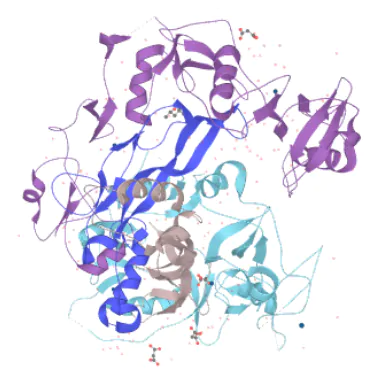
Follistatin-344 is a 344-amino-acid glycoprotein generated through alternative splicing of the FST gene. Circulating forms undergo proteolytic trimming to yield FST-315 and FST-288, enabling tissue-specific signaling. By sequestering TGF-β superfamily ligands, Follistatin-344 shifts cellular signaling toward muscle growth, wound repair, and immune balance.
Follistatin 344 is described as a natural protein found in many living organisms’ tissues. It binds to proteins like activin and myostatin, which is discussed in the context of promoting muscle growth and helping regulate cell proliferation. It’s also noted for roles in muscle development, inflammation, embryo growth, and fertility.
Deeper Research Notes (Summary):
• Described as binding activin and myostatin; blocking myostatin is discussed for supporting muscle growth, while inhibiting activin is discussed for balancing growth and tissue repair.
• Described as improving insulin-related function by encouraging beta-islet cell growth in the pancreas, which may help regulate blood sugar levels and enhance overall insulin response.
• Described as having complex effects in cancer contexts: encouraging cell growth while also potentially helping prevent cancer from spreading to other body parts (reduced invasiveness is discussed as potentially improving survival odds).
• Compared to Follistatin 315, Follistatin 344 is described as a longer variant with weaker binding to myostatin(potentially less potent muscle regeneration), but with broader benefits due to additional binding regions—discussed across tissues (e.g., reproductive hormone regulation, cancer contexts, and organ-protection support).
| Protocol Item | Guidance |
|---|---|
| Dose | 100–300 mcg per dose |
| Cycling | 8 weeks on, 4–8 weeks off |
| Administration Note | Some theorize that injecting into the targeted muscle is best. |
Caution & Contraindications:
Caution:
• Individuals with diabetes may have a greater risk of developing side effects associated with follistatin
• High levels of follistatin have been associated with heart failure, mortality, and kidney disease
Contraindications: None listed at the moment due to limited research.
Reconstitution Options (Vial Format):
• 1 mg
Reconstitution (General Handling):
• Use sterile technique and sanitize the vial stopper before access.
• Add bacteriostatic water slowly along the vial wall to minimize foaming.
• Gently swirl/roll until fully dissolved (avoid vigorous shaking).
• Store according to the product label/spec sheet and protect from light as applicable.
Sequence (344 aa): MVRARHQPGG LCLLLLLLCQ FMEDRSAQAG NCWLRQAKNG RCQVLYKTEL SKEECCSTGR LSTSWTEEDV NDNTLFKWMIF NGGAPNCIPCK ETCENVDCGP GKKCRMNKKN KPRCVCAPDCS NITWKG PVCGLDGKTYR NECALLKARCK EQPELEVQYQG RCKKTCRDVFC PGSSTCVVDQT NNAYCVTCNRI CPEPASS EQYLCGNDGVT YSSACHLRKAT CLLGRSIGLAY EGKCIKAKSC EDIQCTGGKKC LWDFK VGRGRCSLCDE LCPDSKSDEP VCASDNATYAS ECAMKEAACSS GVLLEVKHS GSCNSISEDTE EEEDEDQDYS FPISSILEW
Molecular Weight: ~37.8 kDa
PubChem CID: 178101631
Synonyms: Activin-binding protein, FSH-suppressing protein, FST-344
Eight-week murine studies reported ~10% gains in lean muscle mass following Follistatin-344 injections without exercise conditioning. Duchenne muscular dystrophy models displayed improved strength, lower inflammation, and reduced scar tissue in a dose-dependent fashion. Gene-delivery approaches delivered multi-year hypertrophy, suggesting Follistatin-344 could supplement current strategies for muscle-wasting disorders.
Mechanistically, Follistatin-344 boosts insulin/IGF-1 pathway signaling and stimulates pancreatic insulin output, underscoring cross-talk between endocrine and musculoskeletal systems.
Clinical profiling of breast tumors shows that low FST expression correlates with aggressive disease, while overexpression can enlarge tumors yet reduce invasion and metastasis. In HER2-positive mouse models, exogenous follistatin prevented activin-driven migration and eliminated lung metastases despite unchanged primary tumor size.
Hepatic studies indicate follistatin-mediated activin blockade is necessary for hepatocyte proliferation, highlighting the nuanced balance between local tissue growth and systemic safety.
Follistatin-344 is being evaluated to counter excessive BMP signaling in Barrett’s esophagus, a precancerous state triggered by chronic reflux. Dermatologic trials combining follistatin with Wnt agonists reported ~20% increases in hair density and 13% increases in shaft thickness one year after a single intradermal injection.
In diabetic mouse models, sustained follistatin expression expanded beta-islet cell mass, normalized fasting glucose, and doubled lifespan by reducing complications—a compelling avenue for metabolic research.
Follistatin-344 neutralizes key TGF-β ligands to promote muscle anabolism, temper fibrosis, regulate endocrine function, and influence oncologic behavior. Murine data show low oral and robust subcutaneous bioavailability with moderate side effects. Animal dosing does not extrapolate to humans; the peptide is restricted to licensed researchers conducting in-vitro or controlled laboratory investigations.
Article Author :
The above literature was researched, edited and organized by Dr. Logan, M.D. Dr. Logan holds a doctorate degree from https://case.edu/medicine/Case Western Reserve University School of Medicine and a B.S. in molecular biology.
Case Western Reserve University School of Medicine
ALL ARTICLES AND PRODUCT INFORMATION PROVIDED ON THIS WEBSITE ARE FOR INFORMATIONAL AND EDUCATIONAL PURPOSES ONLY.
The product information featured on this website pertains exclusively to in-vitro studies. In-vitro studies, also known as ‘in glass’ studies, are conducted outside of living organisms. It’s important to emphasize that these products do not constitute medicines or drugs and have not received FDA approval for the prevention, treatment, or cure of any medical conditions, ailments, or diseases. It is crucial to note that the introduction of these products into the bodies of humans or animals is strictly prohibited by law.
THIS PRODUCT IS INTENDED AS A RESEARCH CHEMICAL ONLY. This designation allows the use of research chemicals strictly for in vitro testing and laboratory experimentation only. All product information available on this website is for educational purposes only. Bodily introduction of any kind into humans or animals is strictly forbidden by law. This product should only be handled by licensed, qualified professionals. This product is not a drug, food, or cosmetic and may not be misbranded, misused or mislabled as a drug, food or cosmetic.