Zeus
Zues is an amino acid solution comprised of essential and non-essential amino acids. Typically, Zues contains the following ingredients: L-Arginine 110mg, L-Glycine 40mg, L-Taurine 75mg, NADH 40mg, L-Glutamine 40mg, L-Lysine 75mg, L-Orthinine 85mg, and BCAA 20mg. Concentrations of the afforementioned ingredients as well as the ingredients themselves may vary according to the vender. Zeus is a multi-amino complex designed to enhance energy, endurance, and overall metabolic performance. By combining key amino acids and metabolic cofactors, Zeus supports increased circulation,athletic recovery, and mitochondrial health — making it a potent research blend for studies on fatigue, metabolism, and cellular energy regulation.

Zeus combines eight key amino acids and metabolic compounds — L-Arginine, L-Glycine, L-Taurine, NADH, L-Glutamine, L-Lysine, L-Ornithine, and BCAA — formulated for potential effects on energy metabolism, recovery, and vascular support. In experimental settings, this combination is studied as a pre-workout for its ability to improve nitric oxide production, ATP synthesis, and muscle protein turnover. Zeus is being explored in research models related to exercise performance, mitochondrial function, and cellular resilience under stress or fatigue.
- L-Arginine
- L-Glycine
- L-Taurine
- NADH
- L-Glutamine
- L-Lysine
- L-Orthinine
- BCAA
- L-Arginine
- L-Glycine
- L-Taurine
- NADH
- L-Glutamine
- L-Lysine
- L-Orthinine
- BCAA
Recommended Dosage: 1ml, 3–5 times per week
Usage: Pre-workout
Zeus Juice is studied for its effects on circulatory dynamics, metabolic optimization, and performance-based vascular response. In laboratory contexts, it is often explored as a pre-workout formulation that targets nitric-oxide pathways, muscular perfusion, and local oxygen delivery during high-intensity activity. Researchers have reported notable responses when Zeus Juice is administered intramuscularly into specific muscle groups prior to experimental exercise protocols.
In research settings, the Zeus Juice protocol typically begins with a conservative starting dose of 0.5 mL, administered bilaterally into the target muscle group approximately 45 minutes before experimental activity. This controlled approach allows researchers to evaluate vascular expansion, nutrient transport, and muscular response under standardized conditions. The dosage may be gradually increased as needed, but it is generally recommended not to exceed 1 mL per side, or 2 mL total, to prevent excessive vasodilation or potential interference with performance outcomes.
Users conducting performance-focused studies often report optimal responses when Zeus Juice is administered before resistance or strength-based activity, particularly when injected directly into the muscle groups being engaged. This targeted method has been shown to enhance local blood flow and support more efficient metabolic turnover in active tissue during exertion.
In some experimental models, Zeus Juice demonstrates synergistic potential when combined with nitric-oxide–enhancing agents, androgens, or phosphodiesterase inhibitors such as Cialis. These combinations may amplify the hemodynamic and muscular effects, but researchers are cautioned to avoid compounding agents that may produce sudden drops in blood pressure or exaggerated vascular responses. Controlled monitoring of cardiovascular parameters is strongly recommended when using such combinations in research.
Together, these findings support ongoing investigation into Zeus Juice as a potent research compound for exploring the relationships between muscular performance, vascular physiology, and metabolic optimization. Its observed pre-exercise effects make it an effective model for studying energy metabolism, nitric oxide signaling, and muscle adaptation under controlled laboratory conditions.
Precursor for nitric oxide synthesis; supports blood flow and vascular tone.
Structure
Sequence: R
Molecular Formula: C6H14N4O2
Molecular Weight: 174.20 g/mol
PubChem CID: 6322
Involved in mitochondrial protection, neurotransmission, and antioxidant defense.
Structure
Sequence: G
Molecular Formula: C2H5NO2
Molecular Weight: 75.07 g/mol
PubChem CID: 750
Contributes to cellular osmoregulation and muscle protection.
Structure
Molecular Formula: C2H7NO3S / NH2CH2CH2SO3H
Molecular Weight: 125.15 g/mol
PubChem CID: 1123
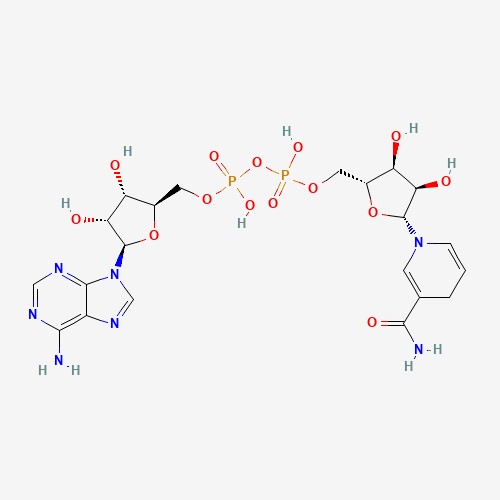
Essential coenzyme in ATP production and cellular respiration.
Structure
Molecular Formula: C21H29N7O14P2
Molecular Weight: 665.4 g/mol
PubChem CID: 439153
Key amino acid for immune and gut recovery post-exercise.
Structure
Sequence: Q
Molecular Formula: C5H10N2O3
Molecular Weight: 146.14 g/mol
PubChem CID: 5961
Participates in the urea cycle; reduces ammonia buildup during exercise
Structure
Sequence: R
Molecular Formula: C6H14N4O2
Molecular Weight: 174.20 g/mol
PubChem CID: 6262
Branched-chain amino acids (BCAAs) are essential nutrients that serve as key building blocks of protein. They are naturally present in many foods rich in protein, and your muscles use them as a direct source of energy during activity. The three amino acids that make up BCAAs are leucine, isoleucine, and valine—named for their unique branched molecular structure. In addition to dietary sources, BCAAs can be taken as supplements. In clinical settings, they may also be administered intravenously (IV) under medical supervision.
Leucine
Sequence: L
Molecular Formula: C6H13NO2
Molecular Weight: 131.17 g/mol
PubChem CID: 6106
Isoleucine
Sequence: I
Molecular Formula: C6H13NO2
Molecular Weight: 131.17 g/mol
PubChem CID: 6306
Valine
Sequence: V
Molecular Formula: C5H11NO2
Molecular Weight: 117.15 g/mol
PubChem CID: 6287
This classification allows for in vitro testing and laboratory experimentation only. All information provided is for educational purposes; bodily introduction into humans or animals is strictly prohibited by law.
Current research focuses on the combined metabolic effects of Zeus components:Arginine and Ornithine have been shown to improve circulation and reduce fatigue, especially under intense exercise conditions.NADH is studied for its role in mitochondrial energy production, particularly in models of chronic fatigue and neurodegenerative disorders.Taurine and Glycine contribute to antioxidant defense, neurological support, and muscle recovery.Glutamine and BCAA mixtures have demonstrated improved immune resilience, protein synthesis, and post-exercise recovery.
- Arginine and Ornithine have been shown to improve circulation and reduce fatigue, especially under intense exercise conditions.
- NADH is studied for its role in mitochondrial energy production, particularly in models of chronic fatigue and neurodegenerative disorders.
- Taurine and Glycine contribute to antioxidant defense, neurological support, and muscle recovery.
- Glutamine and BCAA mixtures have demonstrated improved immune resilience, protein synthesis, and post-exercise recovery.
- Arginine and Ornithine have been shown to improve circulation and reduce fatigue, especially under intense exercise conditions.
- NADH is studied for its role in mitochondrial energy production, particularly in models of chronic fatigue and neurodegenerative disorders.
- Taurine and Glycine contribute to antioxidant defense, neurological support, and muscle recovery.
- Glutamine and BCAA mixtures have demonstrated improved immune resilience, protein synthesis, and post-exercise recovery.
Together, these findings support ongoing investigation into Zeus as a metabolic optimization formula for laboratory research exploring energy pathways, muscle repair, and vascular health.
Article Author :
The above literature was researched, edited and organized by Dr. Logan, M.D. Dr. Logan holds a doctorate degree from https://case.edu/medicine/Case Western Reserve University School of Medicine and a B.S. in molecular biology.
Case Western Reserve University School of Medicine
ALL ARTICLES AND PRODUCT INFORMATION PROVIDED ON THIS WEBSITE ARE FOR INFORMATIONAL AND EDUCATIONAL PURPOSES ONLY.
The product information featured on this website pertains exclusively to in-vitro studies. In-vitro studies, also known as ‘in glass’ studies, are conducted outside of living organisms. It’s important to emphasize that these products do not constitute medicines or drugs and have not received FDA approval for the prevention, treatment, or cure of any medical conditions, ailments, or diseases. It is crucial to note that the introduction of these products into the bodies of humans or animals is strictly prohibited by law.
THIS PRODUCT IS INTENDED AS A RESEARCH CHEMICAL ONLY. This designation allows the use of research chemicals strictly for in vitro testing and laboratory experimentation only. All product information available on this website is for educational purposes only. Bodily introduction of any kind into humans or animals is strictly forbidden by law. This product should only be handled by licensed, qualified professionals. This product is not a drug, food, or cosmetic and may not be misbranded, misused or mislabled as a drug, food or cosmetic.