Minotaur
Minotaur is a cognitive and performance-enhancing amino formulation designed to support both mental focus and physical endurance. Combining nootropic precursors with nitric oxide boosters, it aims to optimize brain energy metabolism, vascular performance, and methylation balance — making it a valuable compound for research on exercise, cognition, and neurometabolic function.

Minotaur features a strategic blend of TMG (Betaine), CDP-Choline, L-Arginine, N-Acetyl-L-Tyrosine (NALT), Norvaline, Lysine, and Citrulline. This multi-pathway formula is studied for its ability to improve circulatory efficiency, neurotransmitter synthesis, and liver methylation processes. In laboratory contexts, Minotaur has been explored for enhancing mental clarity under stress, athletic nitric oxide response, and methylation-related liver function. Its balanced composition provides dual support for neurological and metabolic systems.
- TMG (Betaine)
- CDP-Choline
- L-Arginine
- N-Acetyl-L-Tyrosine (NALT)
- Norvaline
- Lysine
- Citrulline
- TMG (Betaine)
- CDP-Choline
- L-Arginine
- N-Acetyl-L-Tyrosine (NALT)
- Norvaline
- Lysine
- Citrulline
Recommended Dosage: 1ml, 3–5 times per week
Usage: Pre-workout
Minotaur is a multi-pathway research formula designed to support circulatory efficiency, neurotransmitter synthesis, and liver methylation. It features a strategic blend of TMG (Betaine), CDP-Choline, L-Arginine, N-Acetyl-L-Tyrosine (NALT), Norvaline, Lysine, and Citrulline. The combination targets nitric-oxide pathways, cholinergic function, and methylation processes, offering dual support for neurological and metabolic systems. In controlled research settings, Minotaur has been explored for its potential to enhance cognitive performance under stress, improve vascular responsiveness during exertion, and support methylation-related liver activity.
The following research protocol outlines a standardized framework for laboratory or performance-based study. The study may be structured as a randomized, double-blind, placebo-controlled crossover pilot. Participants can receive either Minotaur or a placebo matched in volume, taste, and color, with a seven-day washout between testing periods. Each period typically lasts two weeks, allowing sufficient time to evaluate both acute and cumulative responses. The standard dosing protocol involves one milliliter of Minotaur taken approximately forty-five minutes before physical activity, three to five times per week.
Eligible research participants are generally healthy adults with regular exercise habits and stable blood pressure ranges. Exclusions include individuals with cardiovascular, hepatic, or neurologic disorders, or those currently using compounds that overlap with nitric-oxide, methylation, or cholinergic pathways. All participants must provide informed consent and undergo a health screening prior to study enrollment. Safety monitoring, including blood pressure and heart rate measurements before and after each session, is strongly advised.
The primary endpoints typically include measures of circulatory performance and cognitive control under stress. Vascular responsiveness may be assessed through exercise tests such as submaximal VO₂ or time-to-exhaustion protocols, heart-rate recovery, and perceived exertion ratings. Cognitive performance can be evaluated through tasks that measure focus, accuracy, and reaction time—such as Stroop or N-back tests—administered before and after a controlled stressor. These assessments help identify whether Minotaur influences both physiological and mental resilience. Secondary outcomes may explore methylation-related biomarkers such as plasma homocysteine, as well as optional assays for betaine, choline, or amino acid intermediates. Basic hepatic safety markers, including ALT and AST, are recommended for monitoring liver response to methylation activity. Data should be collected in standardized electronic forms, with calibration of all measurement equipment prior to each session.
For laboratory integrity, product batches must be logged with certificate of analysis documentation and storage conditions recorded throughout the study. Each administration of Minotaur should be logged with the date, time, and proximity to exercise to ensure reproducibility. Compliance can be tracked through dosing logs and post-session evaluations.
A preclinical arm may optionally be conducted using a suitable animal model to examine underlying mechanisms related to nitric-oxide production, cognitive performance, and methylation physiology. This extension can include treadmill performance, biochemical markers, and liver histology for deeper mechanistic understanding.
Minotaur’s research dosing protocol remains consistent across human and preclinical formats: one milliliter administered pre-workout, three to five times per week, with approximately forty-five minutes allowed for systemic uptake before physical activity. This timing aligns with the period of maximal nitric-oxide and cholinergic activation expected from its constituent compounds. All research involving Minotaur should comply with institutional ethics standards and applicable guidelines for non-clinical investigation. This protocol is intended solely for scientific exploration and is not a therapeutic or medical treatment plan. Researchers are encouraged to document their findings precisely and report both performance and biochemical outcomes to advance understanding of this multi-pathway formulation.
Acts as a methyl donor, supporting liver health and homocysteine regulation.
Structure
Molecular Formula: C5H11NO2
Molecular Weight: 117.15 g/mol
PubChem CID: 247
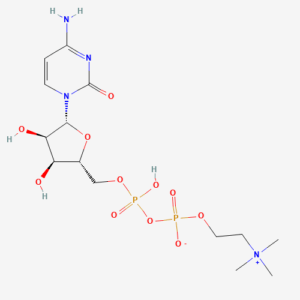
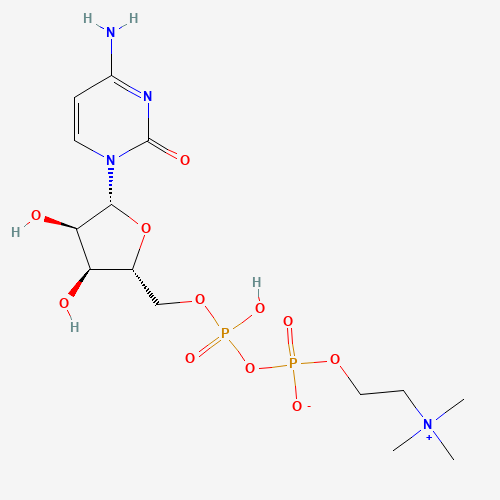
Involved in acetylcholine synthesis and brain membrane repair.
Structure
Molecular Formula: C14H26N4O11P2
Molecular Weight: 488.32 g/mol
PubChem CID: 13804
Precursor for nitric oxide synthesis; supports blood flow and vascular tone.
Structure
Sequence: R
Molecular Formula: C6H14N4O2
Molecular Weight: 174.20 g/mol
PubChem CID: 6322
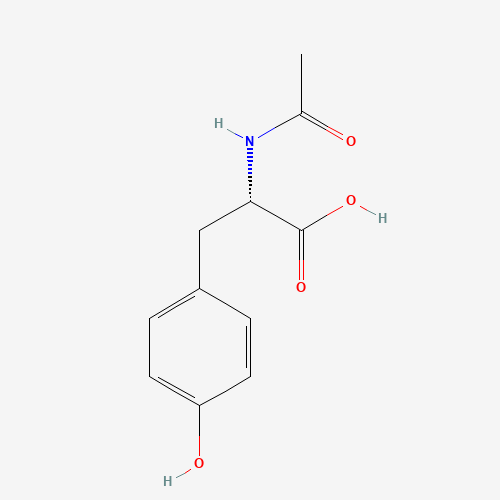
Precursor to dopamine, aiding focus and motivation under stress.
Structure
Molecular Formula: C11H13NO4
Molecular Weight: 223.22 g/mol
PubChem CID: 68310
Inhibits arginase, prolonging arginine’s NO-enhancing effects.
Structure
Sequence: X
Molecular Formula: C5H11NO2
Molecular Weight: 117.15 g/mol
PubChem CID: 65098
Contributes to collagen formation and immune defense.
Structure
Molecular Formula: C6H14N2O2
Molecular Weight: 146.19 g/mol
PubChem CID: 5962
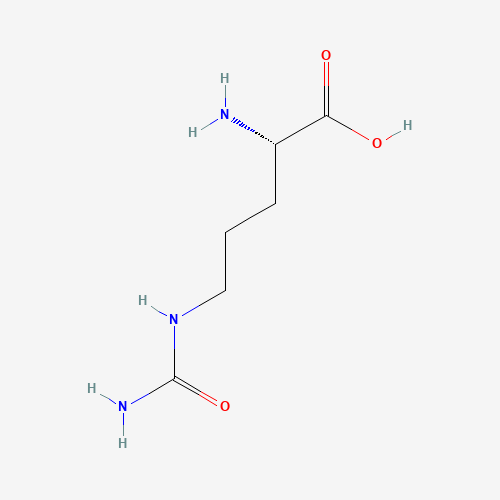
Synergistically enhance nitric oxide (NO) production, promoting vascular dilation and endurance.
Structure
Molecular Formula: C6H13N3O3
Molecular Weight: 175.19 g/mol
PubChem CID: 9750
THIS PRODUCT IS INTENDED AS A RESEARCH CHEMICAL ONLY. It is provided exclusively for in vitro testing and laboratory research. All product information is for educational use only, and any human or animal administration is strictly prohibited by law. Researchers are encouraged to handle Minotaur under appropriate laboratory safety protocols and comply with all applicable regulatory standards.
Current research focuses on Minotaur’s unique neurovascular and metabolic synergy. The formula integrates several well-studied compounds that work through distinct yet complementary pathways, providing a model for exploring how circulation, neurotransmission, and methylation intersect within controlled experimental conditions.
Citicoline (CDP-Choline) is a choline donor studied for its role in neural membrane repair, cognitive recovery, and stroke rehabilitation models. It supports acetylcholine synthesis and phospholipid metabolism, making it a cornerstone compound in neuroregenerative research.
Tyrosine and N-Acetyl-L-Tyrosine (NALT) are precursors in catecholamine synthesis and have demonstrated benefits in stress resilience, mental alertness, and cognitive endurance under fatigue. These properties make them valuable in research involving focus, attention, and neurochemical regulation during high-demand conditions.
L-Arginine and L-Citrulline are extensively studied for their roles in nitric oxide production, vasodilation, and oxygen delivery. They are frequently used in exercise physiology research to model improved blood flow, endurance, and nutrient transport during exertion.
TMG (Betaine) supports cellular methylation balance, homocysteine reduction, and hepatic fat metabolism. It is often studied for its contribution to metabolic regulation, liver health, and methyl-donor recycling pathways within methylation-focused investigations.
Collectively, these compounds position Minotaur as a versatile model for studying neurovascular coupling, exercise metabolism, and methylation efficiency. Research applications include the examination of energy transfer, neurotransmitter balance, and vascular performance under controlled laboratory conditions.
Article Author :
The above literature was researched, edited and organized by Dr. Logan, M.D. Dr. Logan holds a doctorate degree from https://case.edu/medicine/Case Western Reserve University School of Medicine and a B.S. in molecular biology.
Case Western Reserve University School of Medicine
ALL ARTICLES AND PRODUCT INFORMATION PROVIDED ON THIS WEBSITE ARE FOR INFORMATIONAL AND EDUCATIONAL PURPOSES ONLY.
The product information featured on this website pertains exclusively to in-vitro studies. In-vitro studies, also known as ‘in glass’ studies, are conducted outside of living organisms. It’s important to emphasize that these products do not constitute medicines or drugs and have not received FDA approval for the prevention, treatment, or cure of any medical conditions, ailments, or diseases. It is crucial to note that the introduction of these products into the bodies of humans or animals is strictly prohibited by law.
THIS PRODUCT IS INTENDED AS A RESEARCH CHEMICAL ONLY. This designation allows the use of research chemicals strictly for in vitro testing and laboratory experimentation only. All product information available on this website is for educational purposes only. Bodily introduction of any kind into humans or animals is strictly forbidden by law. This product should only be handled by licensed, qualified professionals. This product is not a drug, food, or cosmetic and may not be misbranded, misused or mislabled as a drug, food or cosmetic.