Midnight Blend
Midnight Blend is a restorative amino complex formulated to support sleep initiation, stress reduction, and neuroprotection. Designed for research into circadian rhythm modulation and neurotransmitter balance, it combines both inhibitory neurotransmitters and amino precursors associated with relaxation and sleep quality.

Midnight Blend contains Histidine, GABA, Taurine, Theanine, and Melatonin — a combination designed to explore the pathways involved in relaxation, neural inhibition, and circadian regulation. In research environments, this blend is used to study mechanisms of sleep onset, neurochemical calmness, and oxidative stress protection in neuronal models.
- Melatonin
- GABA (Gamma-Aminobutyric Acid)
- L-Theanine
- Taurine
- Histidine
- Melatonin
- GABA (Gamma-Aminobutyric Acid)
- L-Theanine
- Taurine
- Histidine
Recommended Dosage: 0.5ml – 1ml
Usage: 1 hour before sleep
Note: May cause mild hot flashes in some individuals.
FOR RESEARCH USE ONLY. Midnight Blend is provided exclusively for in vitro and analytical testing. The following protocol is for controlled laboratory investigation of its effects on neurochemical regulation, relaxation response, and circadian alignment. This information is not intended for human or animal administration.
Suggested Experimental Range: Research models commonly explore a dosage equivalent of 0.5 mL to 1.0 mL administered approximately one hour prior to sleep cycle studies. This range provides a standardized reference for assessing neurochemical responses and the onset of inhibitory signaling within circadian frameworks.
Timing: The administration window of one hour before simulated sleep phases allows researchers to examine compound kinetics and their potential synchronization with melatonin-driven circadian rhythms. This timing is particularly valuable in experiments focused on sleep initiation, GABAergic modulation, and nocturnal neurochemical activity.
Observations: Some experimental models have reported transient effects such as following exposure. These phenomena may be associated with amino-based vasodilatory activity and thermoregulatory responses, which can offer additional insight into autonomic and vascular coupling within sleep-related studies.
Researchers are advised to record time-course data, monitor oxidative and electrophysiological parameters, and compare results across multiple concentration ranges. All handling and experimental use should occur under laboratory safety protocols consistent with local regulations and institutional review standards.
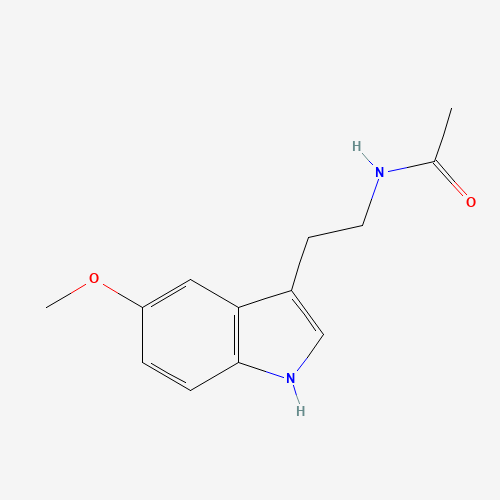
Central regulator of circadian rhythm and sleep initiation.
Structure
Molecular Formula: C13H16N2O2
Molecular Weight: 232.28 g/mol
PubChem CID: 896
Primary inhibitory neurotransmitter in the central nervous system.
Structure
Molecular Formula: C4H9NO2
Molecular Weight: 103.12 g/mol
PubChem CID: 119
Contributes to cellular osmoregulation and muscle protection.
Structure
Molecular Formula: C2H7NO3S / NH2CH2CH2SO3H
Molecular Weight: 125.15 g/mol
PubChem CID: 1123
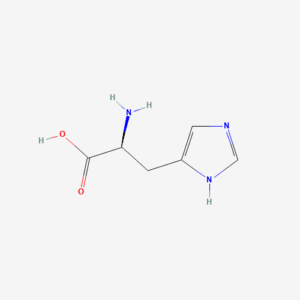
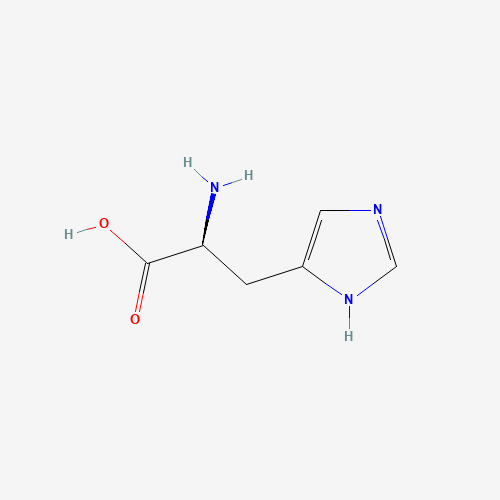
Precursor to histamine, potentially balancing arousal-sleep transitions depending on context.
Structure
Sequence:H
Molecular Formula: C6H9N3O2
Molecular Weight: 155.15 g/mol
PubChem CID: 6274
Amino acid known for promoting calm alertness and reducing stress responses.
Structure
Sequence: X
Molecular Formula: C7H14N2O3
Molecular Weight: 174.20 g/mol
PubChem CID: 439378
THIS PRODUCT IS INTENDED AS A RESEARCH CHEMICAL ONLY. It is provided exclusively for in vitro testing and laboratory research. All product information is for educational use only, and any human or animal administration is strictly prohibited by law. Researchers should handle Midnight Blend under appropriate laboratory safety protocols and comply with all applicable regulations.
Current research explores Midnight Blend’s role in sleep regulation, stress modulation, and neuroprotection. The formula combines amino-based neurotransmitters and precursors that work through interconnected pathways influencing relaxation, circadian balance, and oxidative resilience in controlled research settings.
Melatonin is the central regulator of circadian rhythm and sleep initiation. It is extensively studied for its potential in addressing insomnia, circadian rhythm disorders, and age-related sleep decline. Melatonin serves as the foundation for investigating sleep onset mechanisms and hormonal regulation within circadian models.
GABA (Gamma-Aminobutyric Acid) functions as the primary inhibitory neurotransmitter in the central nervous system. It is studied for its role in promoting neural calmness, stress resilience, and the modulation of excitatory-inhibitory balance, although its direct permeability across the blood–brain barrier remains under ongoing review.
L-Theanine is an amino acid known for promoting calm alertness without sedation. Research suggests it supports alpha brainwave activity, making it a valuable compound for studies exploring stress reduction, focus enhancement, and mental relaxation under cognitive demand.
Taurine acts as a neuroprotective antioxidant involved in osmoregulation and calcium signaling. It is studied for its contribution to neuronal stability, oxidative stress reduction, and the preservation of cellular balance in sleep and stress models.
Histidine serves as a precursor to histamine, which is closely associated with arousal-sleep transitions. Research investigates its dual potential to influence both wakefulness and sleep onset depending on biochemical context, making it relevant in circadian and neurochemical studies.
Collectively, these compounds position Midnight Blend as a comprehensive model for studying sleep neurobiology, neurotransmitter equilibrium, and oxidative homeostasis. Research applications include exploring mechanisms of sleep onset, stress adaptation, and cellular protection in neuronal and circadian rhythm models under controlled laboratory conditions.
Article Author :
The above literature was researched, edited and organized by Dr. Logan, M.D. Dr. Logan holds a doctorate degree from https://case.edu/medicine/Case Western Reserve University School of Medicine and a B.S. in molecular biology.
Case Western Reserve University School of Medicine
ALL ARTICLES AND PRODUCT INFORMATION PROVIDED ON THIS WEBSITE ARE FOR INFORMATIONAL AND EDUCATIONAL PURPOSES ONLY.
The product information featured on this website pertains exclusively to in-vitro studies. In-vitro studies, also known as ‘in glass’ studies, are conducted outside of living organisms. It’s important to emphasize that these products do not constitute medicines or drugs and have not received FDA approval for the prevention, treatment, or cure of any medical conditions, ailments, or diseases. It is crucial to note that the introduction of these products into the bodies of humans or animals is strictly prohibited by law.
THIS PRODUCT IS INTENDED AS A RESEARCH CHEMICAL ONLY. This designation allows the use of research chemicals strictly for in vitro testing and laboratory experimentation only. All product information available on this website is for educational purposes only. Bodily introduction of any kind into humans or animals is strictly forbidden by law. This product should only be handled by licensed, qualified professionals. This product is not a drug, food, or cosmetic and may not be misbranded, misused or mislabled as a drug, food or cosmetic.