L-Carnitine
L-Carnitine is a naturally occurring quaternary ammonium compound that helps move long-chain fatty acids into mitochondria—where they are broken down for energy (β-oxidation). It works through the carnitine shuttle (CPT-1 → CACT → CPT-2) to form and transport fatty acyl-carnitines, then regenerates acyl-CoA inside the mitochondria for ATP production. Skeletal and cardiac muscle—tissues with high energy demand—contain the highest levels.

Lipo C+ contains L-Carnitine, L-Arginine, Methionine, Inositol, Choline, Vitamin B5 (Pantothenic Acid), Vitamin B6 (Pyridoxine), and Vitamin B12 (Methylcobalamin). This combination is widely explored in metabolic and biochemical research for its potential to improve fat oxidation, lipid transport, and energy generation through enhanced mitochondrial efficiency. The addition of B12 distinguishes Lipo C+ from standard lipotropic blends, offering a stronger model for studying red blood cell synthesis and neurological health.
- L-Carnitine: Facilitates the transport of long-chain fatty acids into mitochondria for β-oxidation.
- L-Arginine: Promotes nitric oxide synthesis and circulatory efficiency.
- Methionine, Choline, and Inositol: Act as lipotropic factors aiding hepatic fat mobilization and detoxification.
- Vitamin B5 (Dexpanthenol): Precursor to coenzyme A, vital in fatty acid metabolism.
- Vitamin B6 (Pyridoxine): Involved in amino acid metabolism and neurotransmitter synthesis.
- L-Carnitine: Facilitates the transport of long-chain fatty acids into mitochondria for β-oxidation.
- L-Arginine: Promotes nitric oxide synthesis and circulatory efficiency.
- Methionine, Choline, and Inositol: Act as lipotropic factors aiding hepatic fat mobilization and detoxification.
- Vitamin B5 (Dexpanthenol): Precursor to coenzyme A, vital in fatty acid metabolism.
- Vitamin B6 (Pyridoxine): Involved in amino acid metabolism and neurotransmitter synthesis.
Recommended Dosage: 1–2ml daily
FOR RESEARCH USE ONLY. Lipo C+ is provided exclusively for in vitro and analytical research examining lipotropic activity, mitochondrial energy transfer, and methylation balance. The following protocol is intended to guide controlled laboratory studies investigating its composite effects on fat metabolism, hepatic function, and neurological performance. This formulation is not intended for human or animal use.
Suggested Experimental Range: Typical laboratory applications utilize an exposure equivalent of 1.0 mL up to three times per week. This dosing schedule supports consistent evaluation of cumulative effects on lipid transport, redox homeostasis, and enzymatic cofactor activity across experimental conditions.
Timing: A spacing interval of approximately 48–72 hours between experimental administrations is recommended. This timeframe allows for the assessment of recovery kinetics in mitochondrial respiration, methylation cycles, andliver enzyme regulation. Such intervals are particularly useful in longitudinal studies examining the sustained influence of lipotropic and B-vitamin cofactors on energy metabolism.
Observations: Some research models have reported transient effects such as warmth or mild vascular dilation following exposure, likely related toL-Arginine–induced nitric oxide synthesis and fatty acid mobilization. These short-lived phenomena can provide valuable data regarding circulatory response, thermogenesis, and the compound’s potential to modulate both hepatic and neurometabolic activity.
Researchers are encouraged to collect data on ATP production, lipid oxidation rates, SAMe/SAH ratios, and hematological markers to fully characterize Lipo C+’s effects. Comparative analyses across concentration ranges and exposure frequencies are recommended to identify dose-dependent relationships withinlipid metabolism, methylation pathways, and cellular energy balance. All experiments should comply with institutional laboratory safety and ethical research standards.
Sulfur-containing amino acid and precursor to S-adenosylmethionine (SAMe); crucial for methylation and detoxification.
Structure
Sequence:M
Molecular Formula: C5H11NO2
Molecular Weight: 149.21 g/mol
PubChem CID: 6137
Involved in lipid signaling and studied for roles in mood regulation and metabolic health.
Structure
Molecular Formula: C6H12O6
Molecular Weight: 180.16 g/mol
PubChem CID: 892
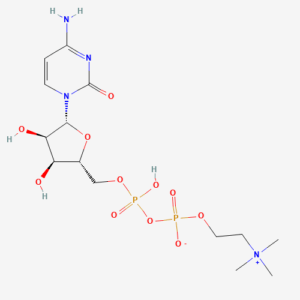
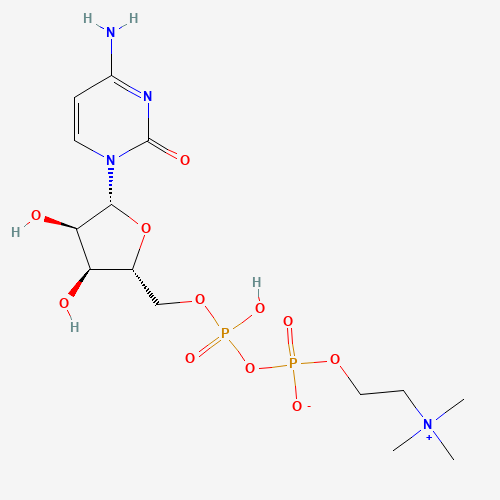
Involved in acetylcholine synthesis and brain membrane repair.
Structure
Molecular Formula: C14H26N4O11P2
Molecular Weight: 488.32 g/mol
PubChem CID: 13804
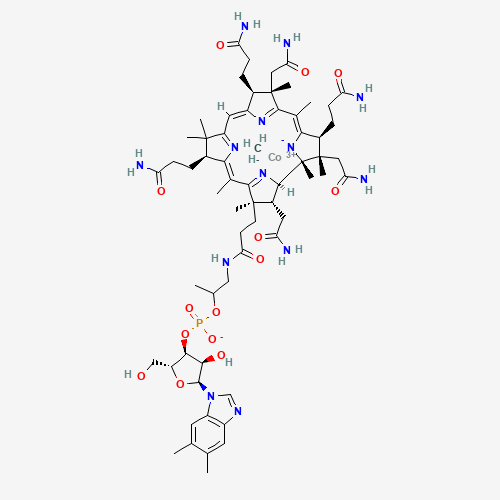
Coenzyme in DNA synthesis, methylation, and red blood cell formation.
Structure
Molecular Formula: C63H91CoN13O14P
Molecular Weight: 1344.4 g/mol
PubChem CID: 10898559
Facilitates the transport of long-chain fatty acids into mitochondria for β-oxidation.
Structure
Molecular Formula: C7H15NO3
Molecular Weight: 161.20 g/mol
PubChem CID: 10917
Precursor for nitric oxide synthesis; supports blood flow and vascular tone.
Structure
Sequence: R
Molecular Formula: C6H14N4O2
Molecular Weight: 174.20 g/mol
PubChem CID: 6322
Precursor to coenzyme A, vital in fatty acid metabolism.
Structure
Molecular Formula: C9H19NO4
Molecular Weight: 205.25 g/mol
PubChem CID: 131204
Coenzyme in DNA synthesis, methylation, and red blood cell formation.
Structure
Molecular Formula: C8H11NO3
Molecular Weight: 169.18 g/mol
PubChem CID: 1054
Lipo C+ is a comprehensive lipotropic and metabolic research blend designed to support studies on fat oxidation, methylation balance, energy metabolism, and cellular function. By combining amino acids and vitamin cofactors—includingL-Carnitine, L-Arginine, Methionine, Inositol, Choline, and Vitamins B5, B6, and B12—Lipo C+ serves as an advanced experimental model for investigating mitochondrial efficiency, hepatic lipid transport, and neurovascular performance.
L-Carnitine plays a central role in facilitating the transport of long-chain fatty acids into the mitochondria, where they undergo β-oxidation to generate ATP [1,2]. This mechanism has been widely studied in metabolic and exercise physiology research, offering insights into energy regulation, muscle recovery, and mitochondrial health. L-Arginine acts as a nitric oxide precursor, promoting vasodilation, improved oxygen delivery, and nutrient perfusion—factors that contribute to vascular and metabolic homeostasis [3].
The lipotropic triad—Methionine, Inositol, and Choline—is extensively researched for its collective role in hepatic detoxification, lipid export, and fat metabolism. Methionine acts as a methyl donor via S-adenosylmethionine (SAMe), essential in DNA methylation and neurotransmitter synthesis [4,5]. Choline supports phospholipid synthesis, VLDL formation, and cognitive function, while Inositol contributes to lipid signaling and insulin sensitivity [6,7]. Together, these compounds represent a model system for exploring liver protection and metabolic regulation in biochemical studies.
Vitamins B5 and B6 are critical cofactors for enzymatic reactions inenergy production and neurotransmitter synthesis. Vitamin B5 (pantothenic acid) is the precursor to coenzyme A (CoA), vital for the oxidation of carbohydrates, fats, and amino acids [8]. Vitamin B6 (pyridoxine) supports amino acid metabolism, neurotransmitter balance, and glycogen utilization [9]. Their combined presence enhances Lipo C+’s function as a metabolic support system for investigatingmitochondrial and neurological bioenergetics.
The inclusion of Vitamin B12 (Methylcobalamin) distinguishes Lipo C+ from conventional lipotropic formulations. B12 serves as a coenzyme in methionine synthase and methylmalonyl-CoA mutase reactions, playing an essential role in DNA synthesis, red blood cell formation, and neuronal protection [10,11]. Research has shown that adequate methylcobalamin availability is linked to enhanced mitochondrial activity, reduced oxidative stress, and improved methylation balance, making it a cornerstone compound for both metabolic and neurological research.
Collectively, Lipo C+ represents a multifactorial model for metabolic optimization. It integrates the lipotropic, nitric oxide, and methylation pathways, offering a dynamic system for studying fat metabolism, liver health, mitochondrial function, and neurological energy regulation across diverse experimental paradigms.
References
New insights concerning the role of carnitine in the regulation of fuel metabolism in skeletal muscle.
Kinetics, pharmacokinetics, and regulation of L-carnitine and acetyl-L-carnitine metabolism.
The pharmacodynamics of L-arginine: Effects on endothelial function and blood pressure.
Role of S-adenosylmethionine in liver health and disease.
Glutathione synthesis and methionine metabolism.
Choline: An essential nutrient for public health.
Potential role and therapeutic interests of myo-inositol in metabolic diseases.
Role of coenzyme A in energy metabolism and acetylation reactions.
Vitamin B6 and its role in one-carbon metabolism and amino acid transamination.
Vitamin B12 in health and disease.
Vitamin B12, neurotrophic activity, and neurological function.
Article Author :
The above literature was researched, edited and organized by Dr. Logan, M.D. Dr. Logan holds a doctorate degree from https://case.edu/medicine/Case Western Reserve University School of Medicine and a B.S. in molecular biology.
Case Western Reserve University School of Medicine
ALL ARTICLES AND PRODUCT INFORMATION PROVIDED ON THIS WEBSITE ARE FOR INFORMATIONAL AND EDUCATIONAL PURPOSES ONLY.
The product information featured on this website pertains exclusively to in-vitro studies. In-vitro studies, also known as ‘in glass’ studies, are conducted outside of living organisms. It’s important to emphasize that these products do not constitute medicines or drugs and have not received FDA approval for the prevention, treatment, or cure of any medical conditions, ailments, or diseases. It is crucial to note that the introduction of these products into the bodies of humans or animals is strictly prohibited by law.
THIS PRODUCT IS INTENDED AS A RESEARCH CHEMICAL ONLY. This designation allows the use of research chemicals strictly for in vitro testing and laboratory experimentation only. All product information available on this website is for educational purposes only. Bodily introduction of any kind into humans or animals is strictly forbidden by law. This product should only be handled by licensed, qualified professionals. This product is not a drug, food, or cosmetic and may not be misbranded, misused or mislabled as a drug, food or cosmetic.