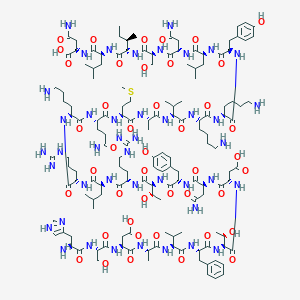
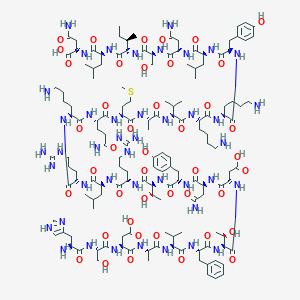
VIP- Vasoactive Intestinal Peptide (VIP)
Vasoactive Intestinal Peptide (VIP) is a short peptide hormone naturally produced in the gut, pancreas, and brain of most vertebrate animals, including humans. VIP exerts its effects by binding to class II G protein-coupled receptors, and its functions encompass a wide range of physiological processes.
PEPTIDES LIST
- Adipotide (FTPP)
- AICAR
- AOD9604
- ARA-290
- B7-33
- BPC-157
- Bronchogen
- Cagrisema
- Cagrilintides
- Cardiogen
- Cartalax
- Cerebrolysin (215mg/ml, 10ml)
- Chonluten
- CJC-1295 DAC
- Cortagen
- DSIP
- Epithalon (Epitalon)
- Follistatin-315
- Follistatin-344
- FOXO4-DRI
- GHK-Cu (Copper Peptide)
- GHK Basic
- GHRP-2
- GHRP-6
- GHRH (GH-Releasing Hormone)
- Glutathione
- Gonadorelin (GnRH)
- GLP2 & GLP3
- hGH Fragment 176-191
- Hexarelin
- Humanin
- Ipamorelin
- Kisspeptin-10
- KPV (ACTH (11-13) alpha-MSH)
- Liraglutide (GLP-1 Analogue)
- Livagen
- LL-37 (CAP-18)
- Melanotan 2 (Melanotan II)
- Mezdutide
- MGF (C-terminal)
- ModGRF 1-29 (CJC-1295 No DAC)
- MK-677 (Ibutamoren)
- MOTS-c
- N-Acetyl Epithalon Amidate
- N-Acetyl Selank Amidate
- N-Acetyl Semax Amidate
- NAD+
- Ovagen
- Oxytocin+
- Pancragen
- PE-22-28
- PEG-MGF (Pegylated MGF)
- Pinealon
- PNC-27
- Prostamax
- PT-141 (Bremelanotide)
- P21 (P021)
- Retatrutide
- Snap8
- Tesa_Ipa_Blend
- Triblend
- Selank
- Semaglutide (GLP-1 Analogue)
- Semax
- Sermorelin
- SS-31
- Survodutide
- TB-500
- Tesamorelin
- Testagen
- Thymagen
- Thyrotropin-TRH
- Tirzepatide
- Triptorelin
- Vesugenas
- Vesilute
- Vilon
- VIP (Vasoactive Intestinal Peptide)
- GLP2
- GLP3
- Klow
- Klow8
- SLU-PP-332
- BAM-15
- Orforglipron
- Noopept
- 9-Me-BC
- Methylene Blue
- Lemon Bottle

VIP plays a significant role in various physiological processes such as glycogen breakdown, lowering blood pressure, inducing relaxation of smooth muscle in the GI tract, stimulating cardiac muscle, promoting GI tract secretion, regulating prolactin release, and protecting neurons against ischemia and oxidative stress.
VIP (Vasoactive Intestinal Peptide) is described as a fast-acting peptide commonly used when the research goal is to support blood flow and/or muscle relaxation. The source notes a very short functional window (listed as a ~2-minute half-life), so dosing frequency and intensity are described as highly response- and condition-dependent.
Dosing & Cycling (As Listed):The source provides a per-dose range and general cycling guidance (not a fixed weekly ramp).
| Protocol Item | Guidance (Source Summary) |
|---|---|
| Dose | 100–500 mcg per dose |
| Cycling / Use Pattern | Commonly used on an as-needed basis |
| Frequency Notes | Dosing frequency and intensity depend on individual response and condition |
| Timing Notes | Described as fast-acting with a short half-life (~2 minutes) |
| Goal / Principle | The goal is not to become dependent on the compound |
Caution & Contraindications:
Caution:
• May cause headache, nausea, stomach discomfort, dizziness, and/or changes in blood pressure
• Use caution in individuals taking medication for immune and/or blood pressure conditions
• Use caution in individuals with an existing or history of autoimmune or immune-related conditions
Contraindications:
• Individuals with uncontrolled blood pressure
Reconstitution Options (Vial Format):
• 5 mg
• 6 mg
• 10 mg
Reconstitution (General Handling):
• Use sterile technique and sanitize the vial stopper before access.
• Add diluent slowly along the vial wall to minimize foaming.
• Gently swirl/roll until fully dissolved (avoid vigorous shaking).
• Store according to the product label/spec sheet and protect from light as applicable.
Sequence: HSDAVFTDNYXRLRKQMAVKKYLNSXLN
Molecular Formula: C147H237N43O43S
Molecular Weight: Variable
PubChem CID: 44567960
Human Gene: 6q25.2
CAS Number:37221-79-7
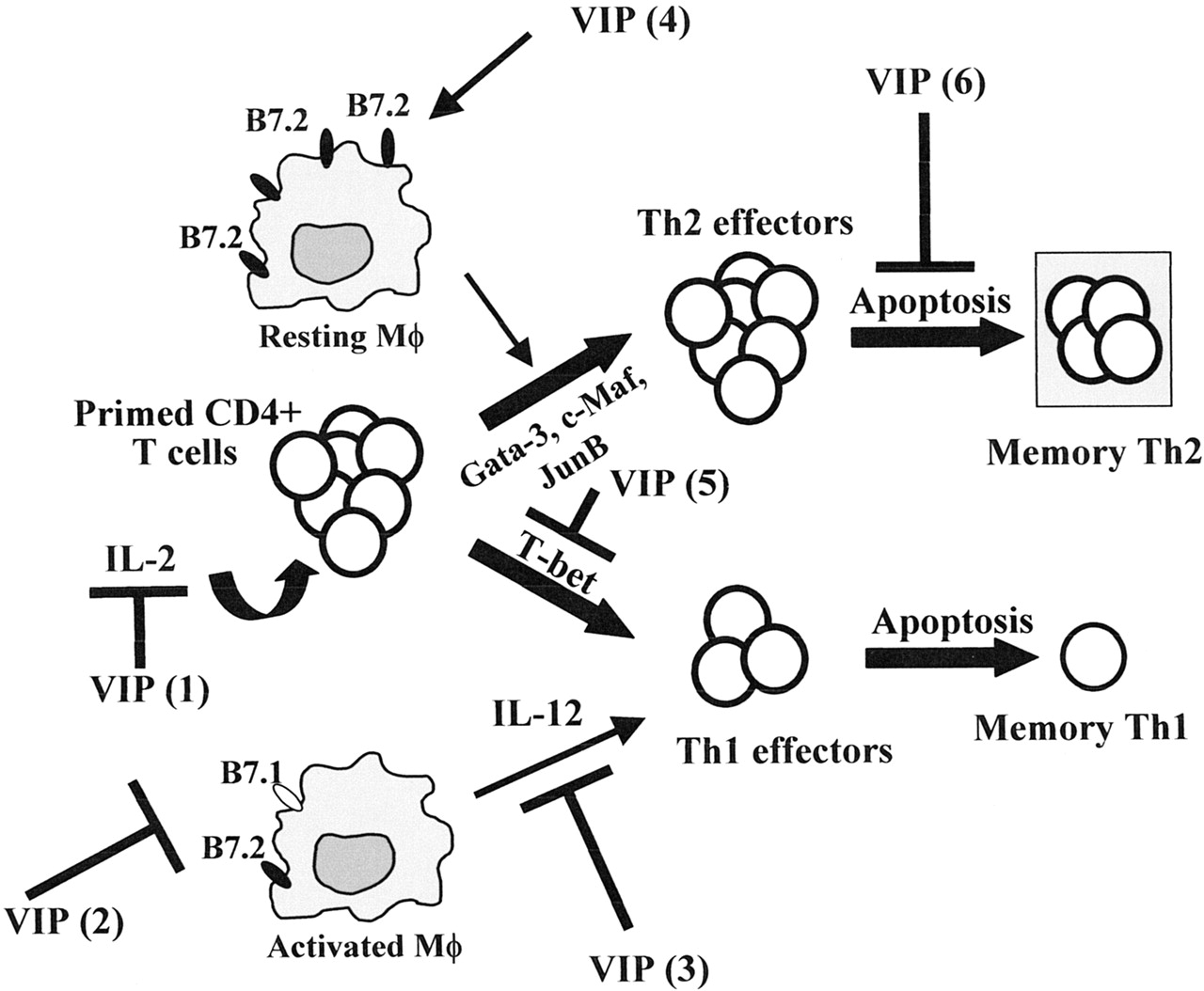
VIP, primarily produced by immune nerve fibers in blood vessels of the central and peripheral nervous systems and the heart, serves as a crucial player in regulating inflammation. Moreover, cells of the immune system directly produce VIP, which aids in promoting Th2-type responses. These responses have the potential to mitigate inflammation and dampen immune system activity. Researchers have extensively explored VIP and its analogs as potential mediators to combat inflammation in various conditions, including intestinal disease, heart disease, and neuroinflammatory disorders.
What’s even more intriguing is that Adipotide treatment and the ensuing fat loss didn’t solely affect physical transformation but also played a pivotal role in altering eating habits. Monkeys that shed weight through the use of Adipotide displayed a concurrent reduction in their food consumption, hinting at the intricate interplay between this revolutionary compound and an individual’s dietary choices.
VIP in Inflammatory Bowel Diseases
VIP demonstrates effectiveness in alleviating inflammatory bowel diseases (IBDs) such as Crohn’s and ulcerative colitis. It plays a pivotal role in enhancing intestinal barrier homeostasis while curbing inflammation instigated by Th1 cell actions. This action even leads to the generation of T cells capable of producing the anti-inflammatory peptide interleukin-10. IBDs, characterized by Th1 inflammation, benefit from the improved intestinal barrier function provided by VIP, which helps mitigate the initial steps in the development of colitis and severe inflammatory bowel diseases.
VIP’s Impact on Lung Function
VIP exerts influence on lung function through various mechanisms. Firstly, it modulates pulmonary vascular remodeling in response to inflammation by suppressing NFAT, a peptide that activates T cells and augments inflammation. This modulation plays a critical role in preventing pulmonary fibrosis, a late-stage complication of various inflammatory conditions affecting the lungs. VIP also inhibits smooth muscle cell proliferation in pulmonary tissue, which often results from prolonged inflammation, particularly in bronchial asthma. Furthermore, VIP’s vasodilatory effects show promise in pulmonary vasculature, potentially enhancing lung function. Initial research suggests that VIP reduces blood pressure in the pulmonary artery, leading to increased cardiac output and better venous oxygen saturation.
VIP’s Role in Transplants
VIP offers potential solutions to the problem of organ transplant rejection. By affecting dendritic cells (DCs), key players in immune responses, VIP reduces their proliferation and activation. Notably, VIP tends to inhibit DCs attached to tolerogenic antigens, thus selectively suppressing immune responses that might lead to autoimmune reactions. This selective inhibition could revolutionize transplant anti-rejection treatments, offering a more targeted approach with fewer side effects.
VIP as a Neuroprotectant
VIP serves a threefold role in the central nervous system (CNS): neurotransmitter, neurotrophic/neurogenic factor, and anti-inflammatory/neuroprotectant. It plays a crucial part in maintaining the integrity of the blood-brain barrier, regulating substances entering the neurological tissue. VIP’s neuroprotective effects extend to conditions such as Alzheimer’s and Parkinson’s disease, where it reduces beta amyloid accumulation and balances immune responses. Additionally, VIP helps protect the developing brain from excitotoxic white matter damage and promotes neuron fatty acid myelination. Its neuroprotective effects are mediated through VPAC1 and VPAC2 receptors, resulting in increased secretion of neurotrophic factors like ADNP and BDNF, which safeguard synapses and astrocytes.
VIP in Preventing Cardiac Fibrosis
Cardiac fibrosis, a common end-stage outcome in various heart conditions, often leads to severe cardiac dysfunction and may require transplant. While most research has focused on slowing or preventing scar formation, recent studies in rats indicate that VIP not only slows fibrosis but can also reverse it. This effect appears to be associated with a significant reduction in angiotensinogen and angiotensin receptor type 1a expression. This discovery opens new possibilities for addressing cardiac fibrosis and preserving cardiac function.
Article Author :
The above literature was researched, edited and organized by Dr. Logan, M.D. Dr. Logan holds a doctorate degree from https://case.edu/medicine/Case Western Reserve University School of Medicine and a B.S. in molecular biology.
Case Western Reserve University School of Medicine
ALL ARTICLES AND PRODUCT INFORMATION PROVIDED ON THIS WEBSITE ARE FOR INFORMATIONAL AND EDUCATIONAL PURPOSES ONLY.
The product information featured on this website pertains exclusively to in-vitro studies. In-vitro studies, also known as ‘in glass’ studies, are conducted outside of living organisms. It’s important to emphasize that these products do not constitute medicines or drugs and have not received FDA approval for the prevention, treatment, or cure of any medical conditions, ailments, or diseases. It is crucial to note that the introduction of these products into the bodies of humans or animals is strictly prohibited by law.
THIS PRODUCT IS INTENDED AS A RESEARCH CHEMICAL ONLY. This designation allows the use of research chemicals strictly for in vitro testing and laboratory experimentation only. All product information available on this website is for educational purposes only. Bodily introduction of any kind into humans or animals is strictly forbidden by law. This product should only be handled by licensed, qualified professionals. This product is not a drug, food, or cosmetic and may not be misbranded, misused or mislabled as a drug, food or cosmetic.